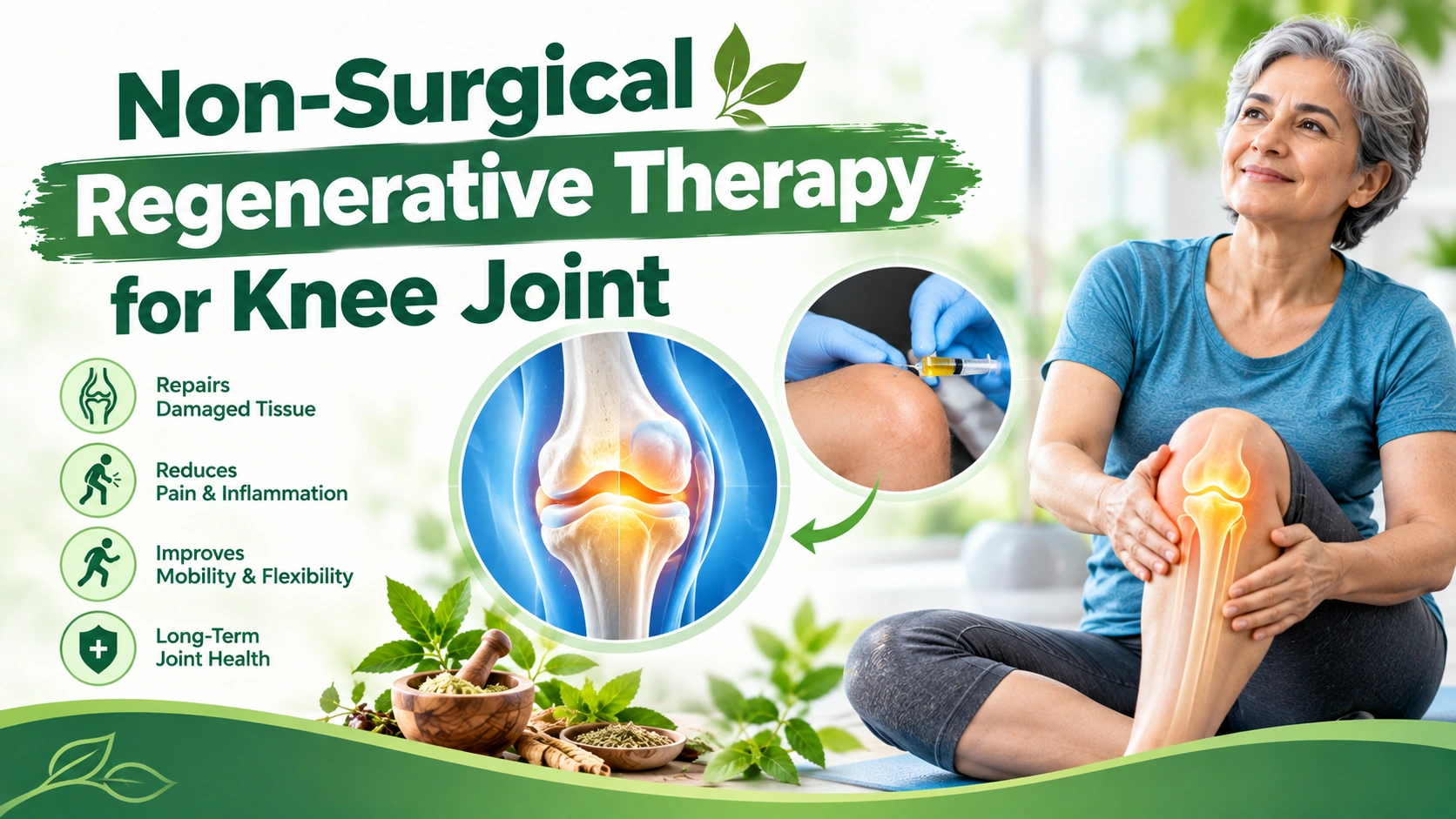
Short answer: Ayurveda treats knee arthritis by calming down an aggravated Vata dosha with herbs, warm oil massages, heat therapy, and some genuinely boring-but-effective lifestyle tweaks. Not glamorous. Works anyway. Let's get into why.
I'll be honest, when my uncle first told me he was "treating his knee the Ayurvedic way," I pictured him drinking some bitter green sludge and calling it a day. Turns out it's way more involved than that, and honestly, kind of fascinating once you dig in.
Okay, But Why Do Knees Even Start Acting Up?
In Ayurveda, knee arthritis has a name: Sandhivata. And no, this isn't some vague catch-all term someone invented to sound mystical. It's been described in old texts for centuries, way before anyone had an X-ray machine to confirm "yep, that's arthritis."
The Ayurvedic explanation goes like this: your joints run on Vata dosha, which is basically your body's movement and dryness-related energy. When Vata gets out of balance (thanks, age, cold weather, bad posture, sitting cross-legged for six hours during a Zoom call), it starts drying things out. Less lubrication in the joint. More friction. More of that crunchy sound your knee makes when you stand up after sitting too long, which; let's be real; everyone has heard from their own knees at some point.
Modern medicine calls it cartilage breakdown and inflammation. Ayurveda calls it a Vata imbalance. Different vocabulary, honestly not that different a picture.
So What Do Ayurvedic Practitioners Actually Do About It?
Here's where it gets interesting. It's not one magic pill. It's a whole combination approach; herbs, oils, heat, diet, the works.
The Herbs (aka the actual heavy lifters)
- Shallaki (Boswellia serrata) is probably the biggest name in this space. There was a randomized, double-blind, placebo-controlled trial by Kimmatkar and team, published in Phytomedicine, where people taking Boswellia serrata reported noticeably less knee pain and better joint function than the placebo group. Some felt a difference within a week, which is honestly faster than I expected.
- Guggulu (Commiphora mukul) shows up in classic formulations like Yogaraj Guggulu and Laksha Guggulu. A clinical study in the AYU Journal combined Laksha Guggulu with oiling (Snehana) and heat therapy (Swedana), and patients showed real improvement in pain, swelling, and stiffness.
- Ashwagandha; everyone knows it for stress, but it's also got anti-inflammatory properties that make it a regular addition to joint care routines.
- Rasnasaptak Kwath and Dashamoolarishta; herbal decoctions that grandmothers across India have sworn by long before "anti-inflammatory" was a buzzword on wellness Instagram.
And this isn't just old-school anecdotal stuff either. A 2025 randomized, double-blind, multicenter trial published in Pharmaceutical Research tested a Boswellia serrata and celery seed (Apium graveolens) combination and found real improvement in pain scores and cartilage-related markers after 90 days. So yes, the "ancient herb" is getting modern receipts.
The External Stuff (this is the part people find weirdly relaxing)
- Abhyanga; a full-on medicated oil massage. Oils like Mahanarayan Taila are massaged into the joint to nourish it. Think less "spa day Instagram post" and more "actually feels like your knee is being taken care of."
- Swedana; herbal steam therapy to loosen up stiff, cranky joints.
- Janu Basti; this one looks strange the first time you see it. A ring of dough is placed around the knee, and warm medicated oil is literally pooled inside it and left to sit. Sounds odd. Patients genuinely say it feels amazing.
- Knee traction, sometimes paired with oiling and heat, to ease compression in the joint.
Diet and Daily Habits (the part nobody wants to hear, but here we are)
- Warm, cooked, easy-to-digest food over cold, raw, processed stuff
- Gentle, regular movement; walking, easy stretches, yoga if that's your thing
- Not skipping meals or staying up till 2 AM (Vata does not appreciate chaos)
- Keeping weight in check, because your knees are carrying you around all day, every day, without complaint
A Quick (and Slightly Biased) Comparison
| Ayurveda | Modern Medicine | |
| What's actually wrong | Vata imbalance drying the joint | Cartilage wear + inflammation |
| Go-to weapon | Boswellia serrata, Guggulu | NSAIDs, painkillers, sometimes steroids |
| Involves oil and dough rings? | Yes, unapologetically | No, and honestly they're missing out |
| How fast it works | Slow and steady | Quick, but often temporary |
| Side effect risk | Usually low with proper guidance | Can upset your stomach, occasionally more |
Neither one is "right" here. They're just solving the same problem from different directions.
Is There Actual Science Behind This, Or Is It Just Vibes?
Fair question. A systematic review and meta-analysis by Kessler, Pinders, Michalsen, and Cramer, published in Rheumatology International, looked at multiple Ayurvedic treatments for osteoarthritis and found some formulations held up well in terms of safety and effectiveness, while also being honest that more large-scale research is still needed. Science doing what science does: cautiously optimistic, never fully sold until there's more data.
There's also a WHO-supported clinical study that looked at combining Ayurveda with conventional treatment for knee osteoarthritis in a hospital setting, and it reported better symptoms, improved quality of life, and people needing fewer regular painkillers.
So no, it's not just vibes. There's real research backing at least parts of this.
Key Takeaways
- Sandhivata is Ayurveda's term for knee arthritis, tied to an imbalanced Vata dosha
- Boswellia serrata and Guggulu have actual clinical trials backing their use for joint pain
- Oil massages, heat therapy, and treatments like Janu Basti help with stiffness and mobility
- Diet and daily habits matter more than people give them credit for
- Results build up gradually; this isn't a "take it once and you're fixed" kind of treatment
- Many people combine Ayurveda with regular medical treatment, and that combo often works well together
Wrapping This Up
Nobody's saying throw out your orthopedic doctor's advice and start living on herbal oil alone. That's not the point here. The point is that Ayurveda looks at knee arthritis a little differently; less "kill the pain fast," more "figure out why the joint's unhappy and fix that instead." It takes patience. It takes consistency. But for a lot of people dealing with that daily knee creak, a slower, steadier approach that actually respects the joint might be worth trying, alongside whatever your doctor's already got you doing.
FAQs
Is Ayurvedic treatment effective for knee arthritis?
A lot of people genuinely notice less pain and stiffness with consistent use of Ayurvedic herbs and therapies, though it usually takes a few weeks, not a few days.
Can Ayurveda completely cure knee arthritis?
Not really a cure, more of a long-term management approach, which honestly is true of most arthritis treatments out there, Ayurvedic or otherwise.
How long before Ayurvedic treatment actually shows results?
Most people start feeling some difference within a few weeks, with fuller benefits usually showing up over a couple of months.
Can I take Ayurvedic treatment along with my regular arthritis medicine?
Yes, plenty of people do both together under proper guidance, and some research suggests it can actually improve results.
What exactly is Janu Basti and is it worth trying?
It's a warm oil therapy where medicated oil is pooled directly over the knee using a dough ring, and most people say it genuinely eases stiffness and discomfort.
Disclaimer: This blog is meant for general information and isn't a substitute for professional medical advice. Please consult a qualified Ayurvedic practitioner or your doctor before starting any treatment for knee arthritis or any other health condition.