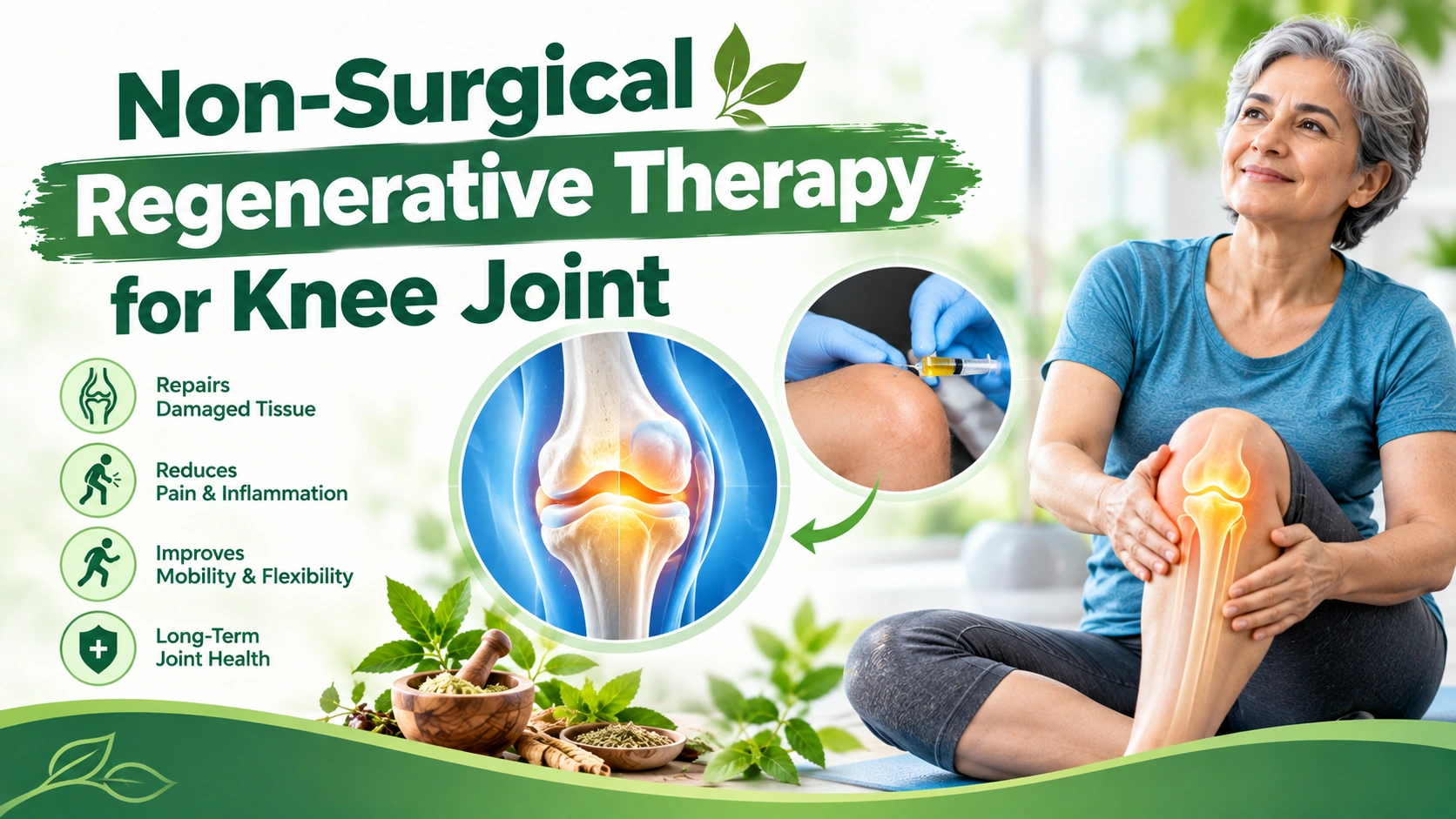
Short answer: yes, you can treat knee arthritis naturally, mostly through weight management, smart exercise for knee arthritis, anti-inflammatory foods like turmeric, and some low-key lifestyle changes. It won't turn your 50-year-old knees back into 25-year-old knees; nobody's cracked that code yet, but it can genuinely take the edge off the pain, the stiffness, and that weird creak your knee makes when you get up off the couch that makes your dog look at you funny.
Nobody tells you this in advance, but your knees start complaining way before the rest of you does. One week you're jogging for the bus without a second thought, the next you're wincing on the stairs and typing "natural remedies for knee arthritis" into Google at midnight, half hoping the internet will just fix it for you. It won't, but it turns out a lot of the stuff people swear by; turmeric, losing a bit of weight, moving more (ironic, we know), actually holds up when you look at the research. Not just your aunt's home remedies, though she's not entirely wrong either.
Okay, So What's Going On In There?
Here's the boring-but-important part. Knee osteoarthritis happens when the cartilage cushioning your knee bones slowly wears thin, until eventually bone starts grinding against bone like two people arguing who both refuse to back down. That's what gives you:
- Morning stiffness (your knees want their coffee too, apparently)
- Swelling after you've been on your feet
- That grinding or popping sound nobody asked for
- Pain that gets worse the more weight goes through the joint
Age, genetics, old injuries, and yes, extra weight, are usually the culprits. Nobody likes hearing that last one, but here we are.
What Actually Helps (Backed by Real Studies, Not Just Vibes)
1. A Little Weight Loss Goes a Long Way
This isn't just something your doctor says to make you feel guilty at your annual checkup. Researchers at Wake Forest University, as part of the long-running IDEA trial on diet and exercise in arthritis patients, found something wild: for every single pound of body weight you lose, your knee gets about four pounds less pressure with every step you take. So ten pounds off means roughly 40 pounds less stress on that knee, per step, all day, every day. Do the math on how many steps you take daily and your knees basically owe you a thank-you card.
2. Turmeric; Yes, the Stuff In Your Spice Rack
Turmeric for knee pain sounds like something out of a wellness blog with too many ads, but there's real research behind it. A randomized, placebo-controlled trial published in the journal Nutrients (led by researcher Lopresti and colleagues) found curcumin extract noticeably reduced osteoarthritis pain compared to a placebo. Separate meta-analyses looking at multiple studies together found curcumin meaningfully lowered WOMAC pain scores; that's the scale doctors use to measure how unhappy your joints are. It's not a miracle spice, but it's earned its place on the list.
3. Move It (Gently, We Promise)
Swimming, cycling, walking, easy yoga; these strengthen the muscles around the knee without pounding on the joint itself. Stronger thigh muscles basically act like a natural knee brace, taking some of the load off worn-out cartilage.
4. Eat Like You're Slightly Mediterranean
Fatty fish, leafy greens, nuts, olive oil; the usual anti-inflammatory suspects. Nobody's saying give up pizza forever, just maybe don't make it a personality trait.
5. Heat, Ice, and Actually Resting
Heat loosens up stiff joints, and ice calms down swelling. Cheap, simple, no subscription required, no app to download.
Natural vs. Conventional Treatment: Let's Be Real About It
Since we're already being honest with each other, here's how the natural route stacks up against the usual medical options. No judgment either way, you do you.
| Treatment | What It Actually Involves | Honest Vibe Check |
| Natural remedies | Weight loss, turmeric, gentle exercise, better diet | Slow and steady, like a tortoise who actually read the instructions |
| Painkillers/NSAIDs | Popping a pill for quick relief | Works fast, but your stomach lining sends a strongly worded complaint |
| Physical therapy | Guided, targeted exercises | The strict-but-caring gym teacher your knee never had |
| Surgery | Knee replacement and the like | The nuclear option; very effective, but not step one |
Key Takeaways
- Knee arthritis genuinely responds to weight loss, low-impact exercise, and eating less inflammation-inducing food.
- Ten pounds off your frame can mean roughly 40 pounds less pressure on your knee with every single step.
- Turmeric and curcumin have decent clinical backing for easing pain, even if it's not an overnight fix.
- Think of natural remedies as a long game, not a quick miracle cure you'll feel by Tuesday.
- Still loop in a doctor or physio, especially if the pain's more than just occasional grumbling.
FAQs
Can knee arthritis be reversed naturally?
Not completely reversed, but the pain and stiffness can genuinely improve with weight management and regular movement.
Is turmeric really effective for knee arthritis?
Studies show curcumin can meaningfully ease knee osteoarthritis pain, though how much it helps varies from person to person.
How much weight loss actually helps knee arthritis?
Even losing 5-10% of your body weight can noticeably lighten the load on your knees and ease the pain.
What exercises are safe if my knees already hurt?
Swimming, cycling, and walking are usually the gentlest, safest options for achy arthritic knees.
Can I just change my diet and skip everything else?
Diet helps calm inflammation, but it works best alongside exercise and weight management, not as a standalone fix.
Disclaimer
This blog is written for general information and a few laughs, not as medical advice. Everyone's knees, bodies, and arthritis are different, so please talk to a doctor or physiotherapist before starting any new treatment, supplement, or exercise plan. When in doubt, ask a professional, not a blog.