Ayurvedic Knee Treatment (घुटने का आयुर्वेदिक उपचार)
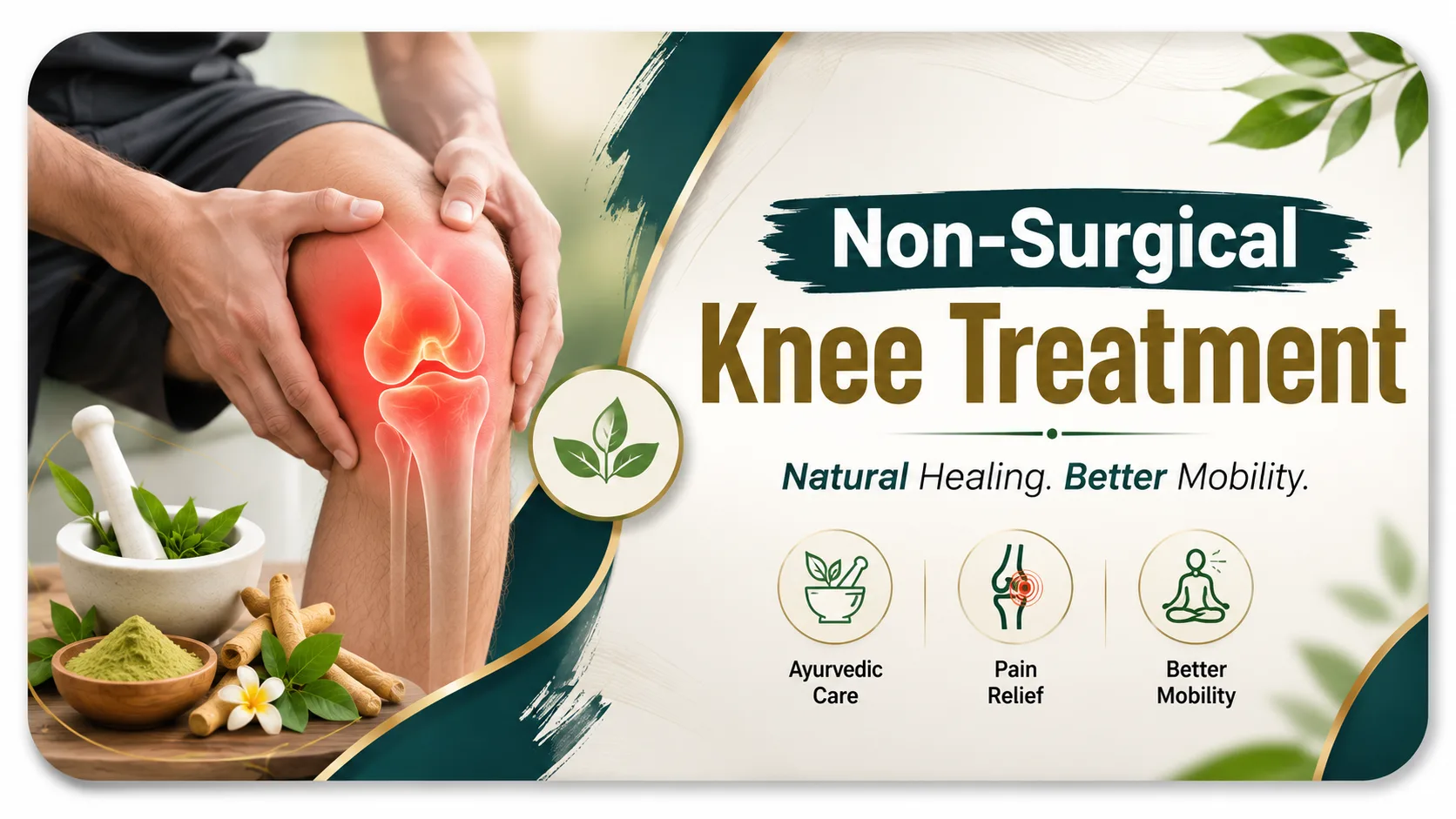
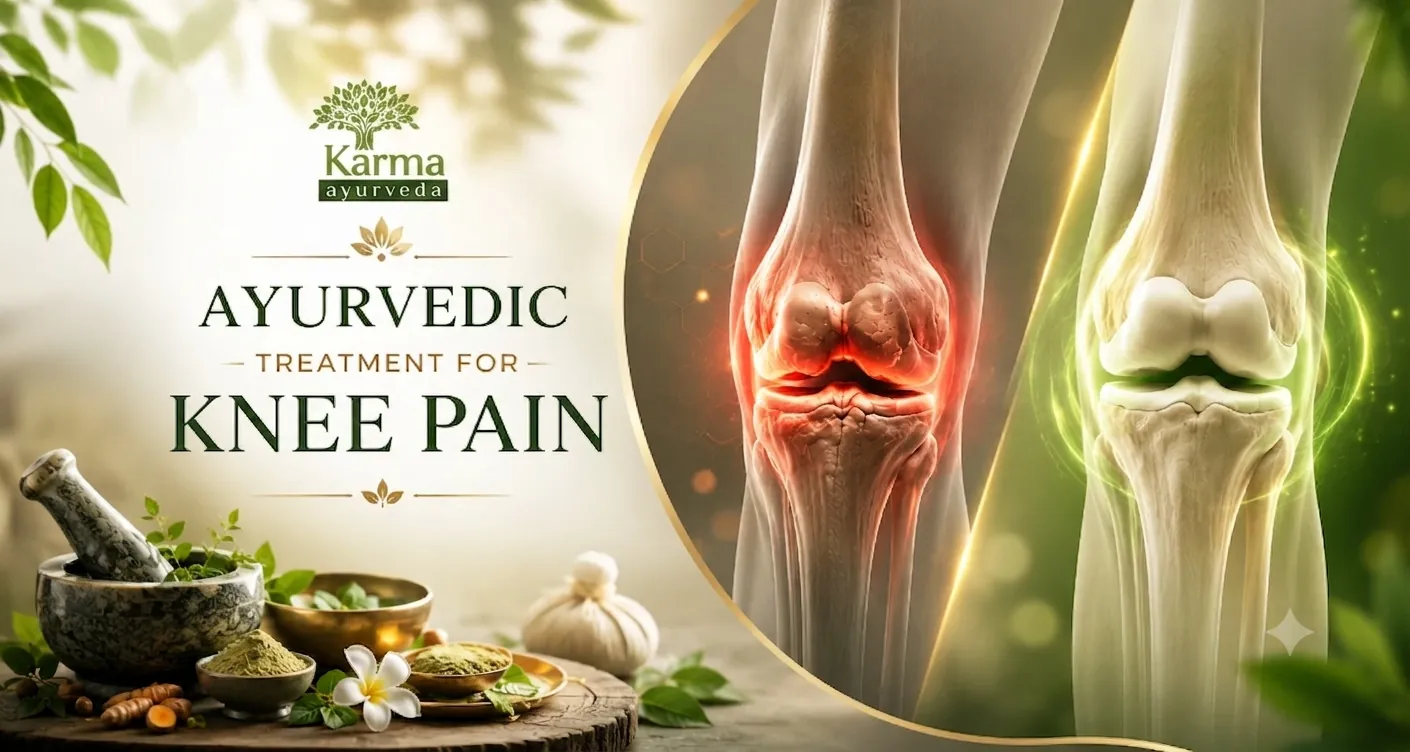
If you are looking for a gentle, time-tested way to soothe those cranky joints, Knee pain treatment Ayurveda offers an incredible path. It focuses heavily on nourishing the joint, reducing inflammation, and lubricating the internal mechanics naturally; all without jumping straight to invasive options. It is essentially a deeply personalized, non-surgical knee pain treatment ecosystem that aims to help your body heal itself.
Before we dive into the herbs and warm oils, let's look at what is actually happening under the hood of your legs.
What is Knee Pain? (घुटनों के दर्द को समझें)
At its core, knee pain is your body’s flashing red dashboard light. It is a signal that something in that complex junction of bones, cartilage, ligaments, and fluid is unhappy. In the vocabulary of Ayurveda, our bodies are governed by three fundamental energies or doshas: Vata (air and space), Pitta (fire), and Kapha (water and earth).
When knee pain strikes, it is usually because Vata dosha has gone rogue. Think of Vata as a dry, cold wind. When it accumulates in your joints, it dries up the natural lubrication, called Sleshaka Kapha (your body's built-in WD-40); leading to friction, cracking, and that deeply uncomfortable bone-on-bone sensation.
Common Symptoms (घुटनों के दर्द के सामान्य लक्षण)
Knee issues rarely arrive unannounced. They usually drop subtle, and eventually not-so-subtle, hints. Here are the classic signs your knees are calling for backup:
- Pain while walking: When a simple stroll around the block starts feeling like a trek through wet cement.
- Pain while climbing stairs: Whether you go up or down, pain is your constant companion.
- Morning stiffness: That delightful feeling where your legs refuse to bend for the first twenty minutes after waking up, making you walk like a sci-fi robot.
- Swelling: A noticeable bump up in and around the knee area.
- Clicking sounds: A symphony of snaps, crackles, and pops every time you squat or stand up.
- Reduced mobility: Realizing you can no longer sit cross-legged on the floor without a complex exit strategy.
Common Causes of Knee Distress (घुटनों में दर्द के प्रमुख कारण)
To fix a problem, we have to know what started the fire. Knee pain isn't a one-size-fits-all situation; it stems from a variety of daily pressures, biological shifts, and sudden mishaps.
| Cause | Description |
| Osteoarthritis | The gradual wear and tear of the protective cartilage that cushions the ends of your bones over time. |
| Obesity | Increased physical pressure on the joint structure; every extra pound adds significant load to the knees. |
| Injury | Sprains, sudden twists, or direct impacts that cause ligament, tendon, or cartilage damage. |
| Arthritis | General systemic inflammation of the joints that causes metabolic byproducts to accumulate, triggering pain. |
| Aging | Natural biological degeneration where tissue renewal slows down and joint fluids naturally decrease. |
The Ayurvedic Perspective: Cooling the Fire and Calming the Wind (घुटनों के दर्द पर आयुर्वेदिक दृष्टिकोण)
If you walk into a conventional clinic, the immediate focus is often on blocking the pain signal or scheduling a scoping procedure. But consulting an Ayurvedic doctor for knee pain feels a bit different. They won't just look at an X-ray; they will look at your digestion, your stress levels, your sleep schedule, and how much dry food you eat.
Why? Because in Ayurveda for knee pain, the joint isn’t viewed as an isolated mechanical part. It is connected to your gut. If your digestion (Agni) is weak, your body creates a toxic byproduct called Ama. This sludge-like material circulates through the bloodstream and loves to settle in areas that are already weak or stressed, like a slightly overworked knee joint.
Therefore, a true Natural treatment for knee pain involves two main steps:
- Clearing out the toxic Ama accumulation.
- Infusing the joint with deep, warm, grounding moisture to pacify the dry Vata dosha.
Common Therapies You Might Encounter (आयुर्वेदिक उपचार पद्धतियाँ)
When you explore traditional care, the treatments sound more like a spa day than a medical intervention, but don't let the relaxation fool you; these methods are highly targeted.
Janu Basti: The Oil Reservoir (जानु बस्ती)
Imagine building a little dam made of black gram dough right over your knee cap, filling it with warm, herbalized oil, and letting it pool there for thirty to forty minutes. That is Janu Basti. The warmth allows the medicated oils to penetrate deep into the joint tissues, nourishing the cartilage and restoring a bit of that lost lubrication.
Abhyanga and Potali: Warmth and Friction (अभ्यंग और पोटली थेरेपी)
General or localized massage using specific oils helps stimulate blood flow. This is often followed by Potali massagers; pouches filled with heated herbs, sand, or medicated rice that are gently thumped against the joint. The heat coaxes tense muscles to relax and coaxes stubborn swelling to dissipate.
Benefits of Ayurvedic Treatment (आयुर्वेदिक उपचार के लाभ)
Choosing this traditional path brings a host of unique advantages, especially for those who want to avoid or delay aggressive interventions.
- Non-surgical approach: The focus is on healing the knee joints with herbs, lifestyle changes, and diet, thus minimizing the invasive approach.
- Personalized care: Your treatment plan is tailor-made for your specific body constitution.
- Focus on mobility: The ultimate goal is not about masking the discomfort, but alleviating the core issues.
- Holistic management: Because it addresses digestion, stress, and lifestyle, many people find that their overall energy, sleep, and digestion improve alongside their joint health.
Simple Everyday Habits to Support Your Knees (घुटनों को स्वस्थ रखने के लिए रोज़मर्रा की आदतें)
You don't have to move to a retreat in the hills to give your knees a break. Small, daily choices can make a massive difference in how your joints feel by the time evening rolls around.
· Watch the Internal Thermostat: Since Vata is cold and dry, keep your knees warm. Avoid blasting AC directly onto bare joints. If you are prone to stiffness, wearing a light, breathable knee sleeve can trap just enough natural body heat to keep the fluids moving smoothly.
· Sip Your Water Warm: Drinking ice-cold water can throw a wet blanket on your digestive fire, leading to more of that inflammatory Ama accumulation we discussed earlier. Swapping ice water for room temperature or warm ginger tea is a beautifully simple favor you can do for your gut and your joints.
· Gentle Lubrication from Within: Including healthy fats like organic ghee or sesame oil in your cooked meals helps lubricate the body from the inside out. Think of it as internal maintenance for your moving parts.
A Gentle Note of Caution (उपचार शुरू करने से पहले ज़रूरी सावधानियाँ)
While knee pain treatment Ayurveda is deeply nurturing, it is vital to approach healing with realistic expectations and a healthy dose of caution. Discuss your symptoms with a qualified knee expert or an orthopedic. Avoid the temptation of DIY treatment, in case the knee pain is severe or is accompanied by swelling, redness, etc.
FAQ (अक्सर पूछे जाने वाले प्रश्न)
Can Ayurveda help with knee pain?
Yes, Ayurvedic treatment focuses on healing knees via herbs and lifestyle changes that can massively reduce knee discomfort.
Is Ayurvedic treatment useful for osteoarthritis knee pain?
Yes, Ayurvedic treatments may help ease pain, stiffness, and improve joint mobility in osteoarthritis.
Can knee pain be managed without surgery?
In many cases, knee pain can be managed with proper treatment, exercise, and lifestyle modifications without surgery. H/owever, severe knee pain may require a more invasive approach like surgery.
What is Janu Basti?
Janu Basti is an Ayurvedic therapy where warm medicated oil is retained over the knee to support joint health.
How long does Ayurvedic treatment take?
The duration varies, but noticeable improvement often takes a few weeks to a few months.
Which foods should be avoided in knee pain?
It’s best to limit processed foods, excess sugar, fried foods, and cold beverages.
Is walking good for knee pain?
Yes, gentle walking can help keep the knee joint active and improve flexibility when done comfortably.