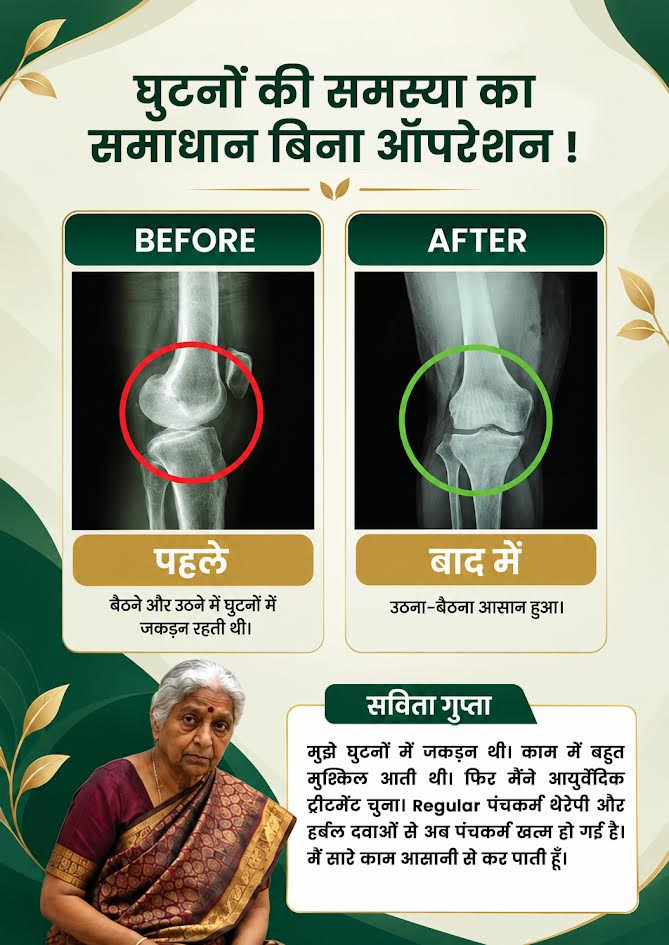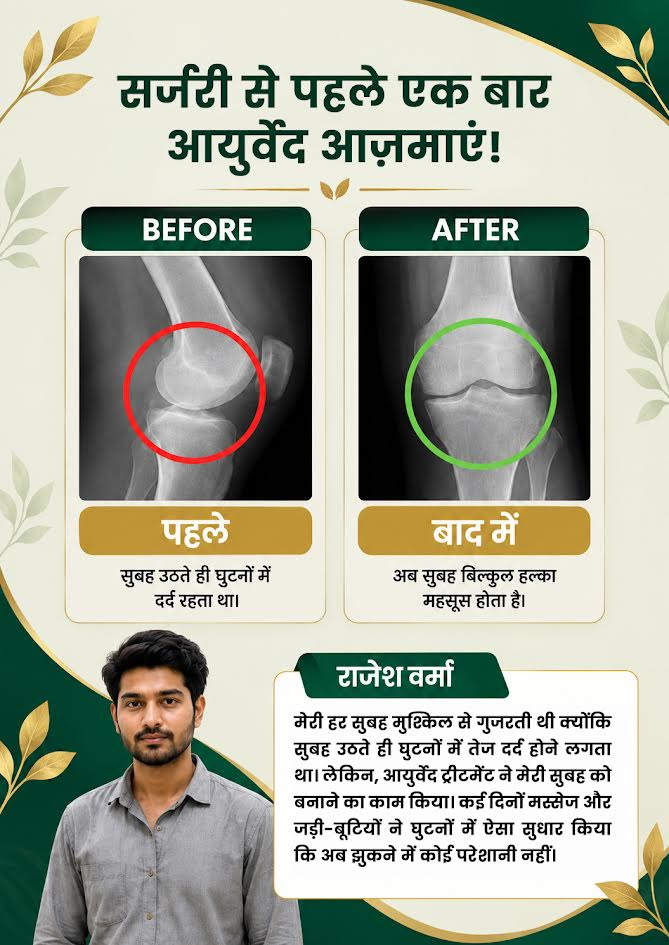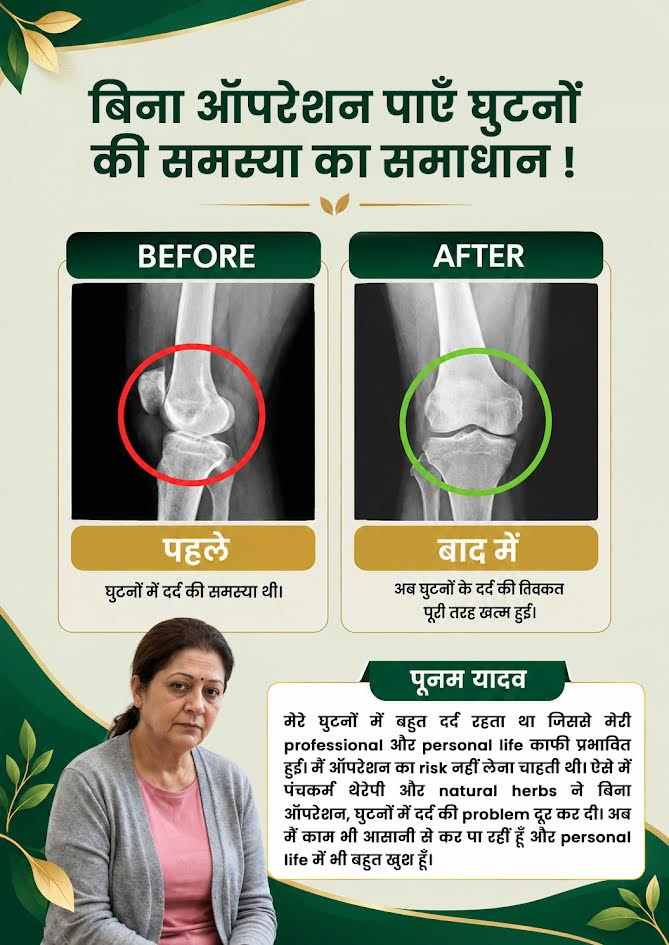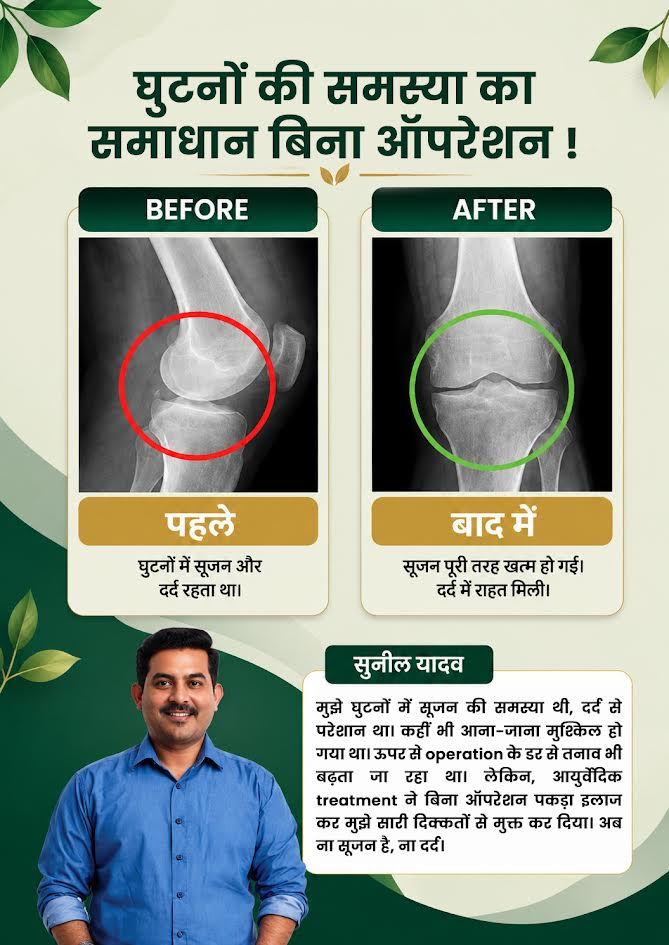
Surgery isn't always where knee pain has to end up. Depending on what's actually causing it and how bad things are, exercise, weight management, diet, and the right kind of non-surgical care can go a long way toward keeping symptoms in check. Ayurvedic knee treatment fits into this picture too; not as a replacement for proper medical evaluation, but alongside it, especially if the goal is to keep the knees working without rushing into an operating theatre.
And honestly, most knees aren't asking for anything dramatic. They just want a bit of consistent care.
Key Takeaways
- Strengthening the muscles around the knee can genuinely improve pain and function.
- Keeping your weight in a healthy range takes pressure off the joint.
- Yoga and low-impact movement help with mobility.
- Diet and certain Ayurvedic herbs can support a broader knee-care plan.
- Severe pain, locking, heavy swelling, or real structural damage needs proper medical attention; no shortcuts there.
1. Move the Knee; Don't Just Rest It Completely
The instinct when a knee starts hurting is usually: "Okay, that's it, I'm not using this leg anymore."
Except knees don't really do well with retirement.
For osteoarthritis, the American Academy of Orthopaedic Surgeons recommends supervised, unsupervised, or even aquatic exercise, since movement itself tends to improve both pain and function. Weight management gets recommended too, particularly for people with knee osteoarthritis who are carrying extra weight.
A basic routine might include:
- Gentle walking
- Quadriceps strengthening
- Leg raises
- Hamstring stretches
- Low-impact cycling
- Physiotherapy-guided exercises
This kind of everyday movement is actually a core part of Ayurvedic treatment for knee pain too; lifestyle and daily activity are usually considered right alongside any herbal or therapeutic approach.
📩 Ask a Kidney Expert (Free 10-Min Consultation)
2. Do Yoga; Just Don't Turn It Into a Performance
Yoga genuinely helps with flexibility, balance, and controlled movement. But having knee pain isn't an invitation to attempt the most ambitious pose you saw someone do on Instagram last week.
Depending on your condition, gentler options like:
- Tadasana
- Setu Bandhasana
- Simple stretching
- Supported chair-based exercises
- Controlled breathing
can be worked into a routine.
The real skill here is knowing when to modify. If something starts causing sharp pain or the pain gets worse, that's your cue to stop; not push through it.
3. Actually Pay Attention to What You're Eating
There's no food out there that's going to rebuild a badly damaged knee overnight. Turmeric, unfortunately, has no leverage against gravity.
That said, eating well genuinely supports a healthy body weight and better musculoskeletal health overall. For people with knee osteoarthritis who are overweight, research-backed guidelines consistently point to weight loss as something that improves pain and function.
A workable diet might include:
- Plenty of vegetables and fruits in season
- Enough protein, tailored to what the person actually needs
- Whole grains and pulses
- Nuts and seeds, in reasonable amounts
- Cutting back on ultra-processed food and added sugar
- Staying properly hydrated
This is really what a Natural treatment for knee approach should look like; less about chasing one miracle ingredient, and more about daily habits you can actually stick with.
4. Look Into Ayurvedic Herbs; With Someone Qualified Guiding You
Boswellia and turmeric (Curcuma longa) show up a lot in Ayurvedic approaches to joint pain.
The research on this is genuinely interesting, though it deserves an honest look too. A 2018 systematic review and meta-analysis covering 11 randomized trials and 1,009 participants found that curcuminoid and Boswellia preparations improved pain and function compared with placebo; but the same researchers pointed out that the evidence still wasn't strong enough to make firm clinical recommendations.
More recent work is promising but still developing. A 2024 systematic review of Boswellia extracts found possible improvements in pain, stiffness, and function, though the studies varied quite a bit from one another.
So instead of googling best medicine for knee pain in ayurveda and grabbing the first bottle that pops up, it's genuinely worth sitting down with a qualified practitioner and talking through your symptoms, current medications, and medical history first.
This is also where phrases like Joint pain treatment in Ayurveda need a bit of context. Herbs can genuinely help manage symptoms; but they shouldn't be sold as some guaranteed cartilage replacement, because that's not what the evidence supports.
5. Get the Knee Properly Checked Out
Not every knee problem is osteoarthritis. Sometimes it's an old injury, a ligament issue, meniscus damage, an inflammatory condition, or something else entirely.
A proper assessment is really what tells you whether conservative care makes sense, or whether you need something more specialised.
If you're specifically looking for the Best Non-Surgical Knee Treatment Clinics in Gurgaon, the thing to watch for is a clinic that doesn't hand out the exact same treatment plan to every single knee that walks through the door.
At Karma Ayurveda, Dr. Puneet Dhawan, the Founder and Director, leads the organisation and is described by Karma Ayurveda as a fifth-generation Ayurveda physician. The clinic's approach centres on personalised Ayurvedic care paired with lifestyle guidance.
What non-surgical knee care may look like
| Approach | What it focuses on |
| Exercise | Strength and mobility |
| Yoga | Flexibility and controlled movement |
| Diet | Healthy weight and nutrition |
| Ayurveda | Individualised herbal and lifestyle support |
| Medical assessment | Finding the actual cause |
What About Knee Cartilage Regeneration?
This is the part where it's worth managing expectations honestly.
You've probably seen searches like knee cartilage regeneration ayurveda or knee joint treatment in ayurveda floating around, but "regeneration" shouldn't be mistaken for rebuilding cartilage that's already badly worn down.
Ayurvedic care tends to focus more on managing pain, stiffness, mobility, and overall joint health. What actually makes sense for you depends entirely on what's happening inside your knee.
Home Remedies Worth Trying
For mild or occasional discomfort, a few simple habits can genuinely help:
- Gentle stretching after sitting for a long stretch
- A warm compress, if it feels good
- Not ramping up exercise too quickly
- Keeping your weight in a healthy range
- Short movement breaks instead of sitting for hours on end
These are supportive habits, not a substitute for getting a proper diagnosis if symptoms stick around.
Conclusion
Avoiding knee surgery isn't about promising it'll never be needed; that would be dishonest. It's about giving non-surgical options a genuine, fair shot when your condition actually allows for it.
A mix of exercise, yoga, sensible eating, weight management, home care, and professionally guided Ayurveda can all come together as part of a broader Knee pain natural treatment plan. What's right for you really depends on the cause and severity of your specific knee problem.
📩 Ask a Kidney Expert (Free 10-Min Consultation)
FAQs
Can Ayurveda help with knee pain?
Yes, it can; through personalised herbs, therapies, diet, and lifestyle changes aimed at managing pain and stiffness.
Can Ayurvedic treatment regrow knee cartilage?
Not based on what the evidence currently shows. There isn't enough clinical proof to promise reliable cartilage regeneration for severely damaged knees.
Which herbs are commonly studied for knee pain?
Boswellia and curcumin are the two Ayurvedic ingredients that have actually been studied for knee osteoarthritis in clinical trials.
Can exercise help avoid knee surgery?
It can. Exercise genuinely improves pain and function in knee osteoarthritis, and it's a recommended part of managing it without surgery.
When should I actually see a doctor for knee pain?
If pain is persistent, severe, or getting worse, or if there's major swelling, locking, or trouble bearing weight, that's the point to get it checked properly.
Disclaimer
Ayurvedic care may support knee pain management, but results differ from person to person, and no treatment should be presented as a guaranteed way to avoid surgery. Don't stop prescribed medicines or delay necessary medical or surgical care without talking to your treating doctor first. Persistent or severe knee symptoms deserve a proper assessment from a qualified professional.