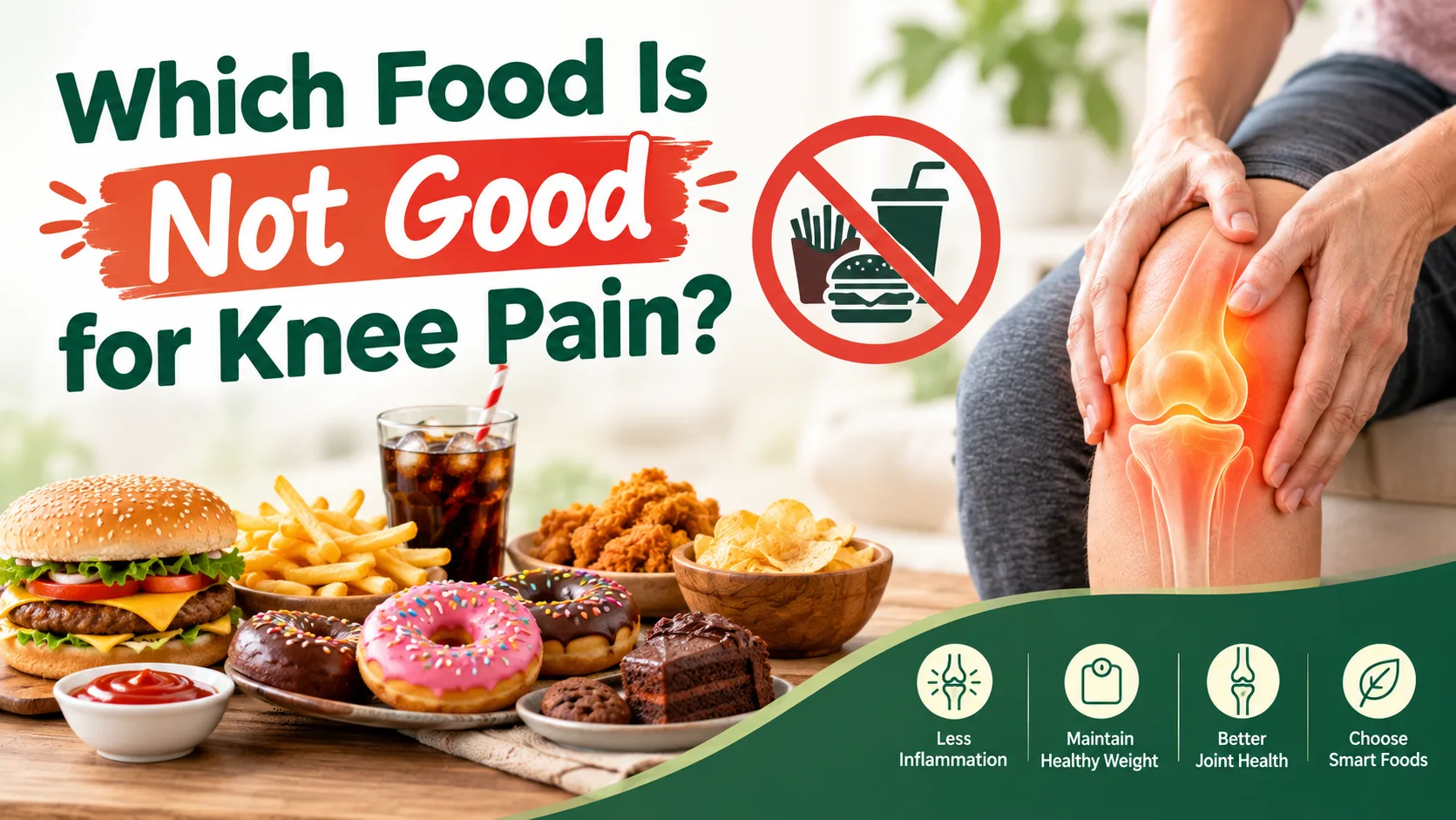
Short answer: sugar, refined carbs, fried food, red and processed meat, and alcohol are the usual suspects making your knees creak louder than an old rocking chair. If you've been blaming the weather, the stairs, or your "old age" (you're 34, relax), it might actually be that samosa-and-soda combo you had for lunch.
Let's be honest; nobody wants to hear that their favorite comfort foods are quietly throwing a party in their joints and not inviting anyone to clean up afterward. But that's kind of what's happening. Knee pain, especially the kind linked to osteoarthritis and general joint inflammation, doesn't just come from wear and tear. What you eat plays a bigger backstage role than most people realize, and today we're dragging it into the spotlight.
Okay, But Why Does Food Even Affect My Knees?
Think of your body as a slightly dramatic roommate. Feed it junk, and it doesn't just quietly deal with it; it reacts. Certain foods trigger low-grade, chronic inflammation, and inflammation is basically gasoline for joint pain. Your knees, being the long-suffering weight-bearing joints they are, tend to feel it first and loudest.
A poor diet doesn't just add pounds (which, yes, also stresses your knees; every extra kilo adds multiple kilos of pressure per step). It also messes with your body's inflammatory response at a cellular level. One study on community-dwelling women over 50 found that poor overall diet quality was directly associated with higher self-reported knee pain; not just because of weight, but independent of it. So yes, your kitchen choices are basically writing your knee's diary entries.
The Foods That Are Not Doing Your Knees Any Favors
1. Sugar and Sweet Treats
Soda, candy, pastries, that "just one" doughnut; refined sugar ramps up inflammatory messengers called cytokines and spikes insulin, which piles on extra weight your knees then have to carry around like an unpaid intern. Multiple clinical reviews link high added sugar intake to increased inflammation and worsening arthritis symptoms.
2. Refined Carbohydrates
White bread, white rice, white pasta, sugary cereals; basically anything that turns into sugar the moment it hits your bloodstream. These high-glycemic foods spike blood sugar rapidly, and that spike doesn't just vanish quietly; it triggers inflammatory pathways that can leave joints stiffer and sorer.
3. Fried and Fast Food
French fries, fried chicken, that 2 a.m. burger- cooked in oils high in omega-6 fatty acids, which promote oxidative stress and inflammation when consumed in excess. It's not that fries are secretly plotting against your knees, but the trans fats and repeated-use frying oils definitely aren't sending them a thank-you card either.
4. Red and Processed Meat
Beef, pork, lamb, sausages, bacon; rich in saturated fat and advanced glycation end products (AGEs), compounds that form when meat is cooked at high heat and are known to promote inflammation. A 2024 study found that ultra-processed meats significantly raised the risk of knee osteoarthritis, largely thanks to their nitrates, high sodium, and inflammatory fat content.
5. Alcohol
That evening glass of wine (or three) can raise uric acid and inflammatory markers, which for some people translates directly into knee flares. Occasional is fine; daily is where your knees start sending strongly worded complaints.
6. Vegetable Oils High in Omega-6
Corn oil, soybean oil, sunflower oil, and most bottled salad dressings are loaded with omega-6, which, when it wildly outweighs omega-3 in your diet, tips your body toward a more inflammatory state.
A Quick (and Slightly Judgy) Comparison Table
| Food | What It Does to Your Knees | Better Swap |
| Soda & candy | Feeds inflammation, adds sneaky weight | Sparkling water + a square of dark chocolate |
| White bread & pasta | Blood sugar rollercoaster | Whole grains like oats, quinoa, brown rice |
| Fried chicken & fries | Oxidative stress party | Baked or air-fried versions |
| Red & processed meat | AGEs galore | Fish, poultry, legumes |
| Daily alcohol | Uric acid spike | A few servings a week, tops |
| Vegetable oils | Omega-6 overload | Olive oil, mustard oil in moderation |
Basically, if a food would survive being left on a counter for three weeks without changing, your knees probably aren't fans.
What Should You Eat Instead?
The good news: you don't need a bland, joyless diet of boiled vegetables to keep your knees happy. Research consistently points to the Mediterranean diet, rich in fish, olive oil, nuts, vegetables, and whole grains, as genuinely helpful for reducing knee pain and inflammation. Foods like fatty fish (omega-3s), leafy greens, berries, garlic, ginger, and turmeric have all shown anti-inflammatory promise in various studies, including one where daily strawberry intake improved pain and inflammation markers in obese adults with knee osteoarthritis.
Key Takeaways
- Sugar, refined carbs, fried food, red/processed meat, and alcohol are the main dietary troublemakers for knee pain.
- Inflammation, not just extra weight, is a major mechanism linking bad food choices to joint pain.
- Omega-6 heavy oils can tip your body toward a more inflammatory state if not balanced with omega-3s.
- Swapping to a Mediterranean-style diet rich in fish, olive oil, and vegetables has real research support for easing knee pain.
- Small, consistent changes (like swapping soda for sparkling water) matter more than one dramatic overhaul.
FAQs
Does sugar really cause knee pain?
Not directly like a punch to the knee, but it fuels inflammation and weight gain, both of which absolutely make knee pain worse.
Is dairy bad for knee pain?
Not necessarily; some research actually links full-fat dairy to lower rates of knee osteoarthritis, so it's more myth than fact for most people.
Are tomatoes and nightshade vegetables bad for arthritis?
There's no solid scientific evidence backing this popular claim, so no need to give up your pasta sauce.
Can changing my diet actually reduce existing knee pain?
Yes, many people notice real improvement within weeks of cutting inflammatory foods and adding anti-inflammatory ones, though results vary person to person.
Is the Mediterranean diet the best option for knee pain?
It's currently the diet with the strongest research backing for easing joint inflammation and supporting healthy weight, so it's a solid place to start.
Disclaimer
This blog is for general informational purposes only and isn't a substitute for professional medical advice. Knee pain can have many causes, so please consult a doctor, dietitian, or rheumatologist before making major dietary changes, especially if you have an existing joint condition or are on medication.