Honestly? The best treatment for knee arthritis is boringly simple: move more, carry less weight, and save the fancy stuff (injections, surgery) for when the basics stop cutting it. I know that's not the sexy answer you were hoping for; nobody wants to hear "just exercise" when their knee sounds like a bag of marbles going up the stairs; but stick with me, because there's actually good science behind why the boring answer wins.
Let's Get on the Same Page First
Your knee isn't "broken," even though it might feel that way at 6 am when you're trying to get out of bed like a rusty gate. Knee osteoarthritis happens when the cartilage cushioning your joint slowly thins out. Less padding, more bone-on-bone friction, more creaking, more "why did I just hear that" moments.
And no, it's not just an old-person thing you did wrong. Genetics, an old sports injury, extra weight, even years of bad shoes can all sneak up and contribute. So, if your knees are staging a protest, it's not really your fault; biology just likes being dramatic sometimes.
What Actually Works, Starting with the Least Glamorous Option
1. Moving More (Yes, Even Though It Sounds Backwards)
I get it. Your knee hurts, and someone's telling you to... use it more? Feels like telling someone with a headache to bang their head against the wall a little. But exercise therapy for knee arthritis genuinely is the treatment doctors reach for first, and it's not just because it's cheap.
- Strengthening the muscles around the knee (especially your quads) takes some of the load off the joint itself
- Low-impact stuff like swimming or cycling keeps you moving without hammering the joint
- Even a daily walk around the block does more than people give it credit for
A well-known study called the BEEP Trial looked at exactly this and confirmed exercise is treated as "core" treatment for knee OA, noting that reviews consistently show exercise beats non-exercise treatment for cutting pain and improving how well the joint functions. The one honest catch, though: the benefits tend to be modest and fade over time; mostly because people quit doing the exercises. Shocking, I know. Turns out consistency is hard, even for your knees.
Another trial that pitted yoga against regular strength training pointed out that yoga can improve flexibility, strength, balance, and general fitness while possibly easing arthritis symptoms too, though the researchers admitted we still don't have a ton of rock-solid data comparing it head-to-head with more traditional exercise.
So no, your knee isn't betraying you by wanting to move. It's actually asking for it.
2. Losing a Little Weight (Your Knees Are Doing the Math Even If You're Not)
This isn't a "get summer-ready" pep talk. It's just physics being annoyingly literal. Every extra pound you're carrying gets multiplied several times over at the knee with each step you take.
The IDEA Trial put this to the test with older, overweight adults dealing with knee OA. They split people into diet-only, exercise-only, and diet-plus-exercise groups, and found the group doing both diet and exercise together saw noticeably better results than either one alone; more pain relief, better function, better mobility, better quality of life.
And here's the number that actually made me pause: researchers found that every single pound lost was linked to roughly four pounds less pressure on the knee with each walking step. Multiply that by thousands of steps a day and suddenly a small number on the scale becomes a big deal for your joints. Even more wild, losing just about 5 kg over ten years was tied to a 50% lower chance of developing symptomatic knee osteoarthritis in the first place.
So yeah, when your doctor mentions weight loss for your knees, they're not just filling conversational silence. It's genuinely one of the highest-leverage things you can do.
3. Physical Therapy; Basically a Personal Trainer for Your Knee's Specific Drama
Exercising on your own is good. Exercising with someone who actually knows what your knee is doing wrong is better. A physical therapist can figure out exactly which muscles are slacking off and which movements are quietly making things worse, then build a plan around that.
Earlier research found supervised, PT-led programs tend to beat generic "just go exercise" advice by a wide margin; one trial found pain relief was three times greater and functional improvement four times greater with physical-therapy-led exercise compared to standard exercise advice alone, though those gains did shrink again by the six-month mark. (Consistency. Always consistency.)
4. Medication; Helpful, Not a Fix
Ibuprofen, naproxen, acetaminophen; these can absolutely take the edge off a bad flare-up day. But they're managing the symptom, not repairing anything underneath. Think of them as hitting snooze, not actually getting out of bed.
A study comparing structured exercise rehab against standard drug treatment (naproxen, diclofenac, celecoxib) found the exercise rehab group had significantly better improvements in pain, symptoms, and quality of life compared to the group just taking medication. So pills can get you through the afternoon. Movement is doing the real long-term work.
5. Injections and Regenerative Options
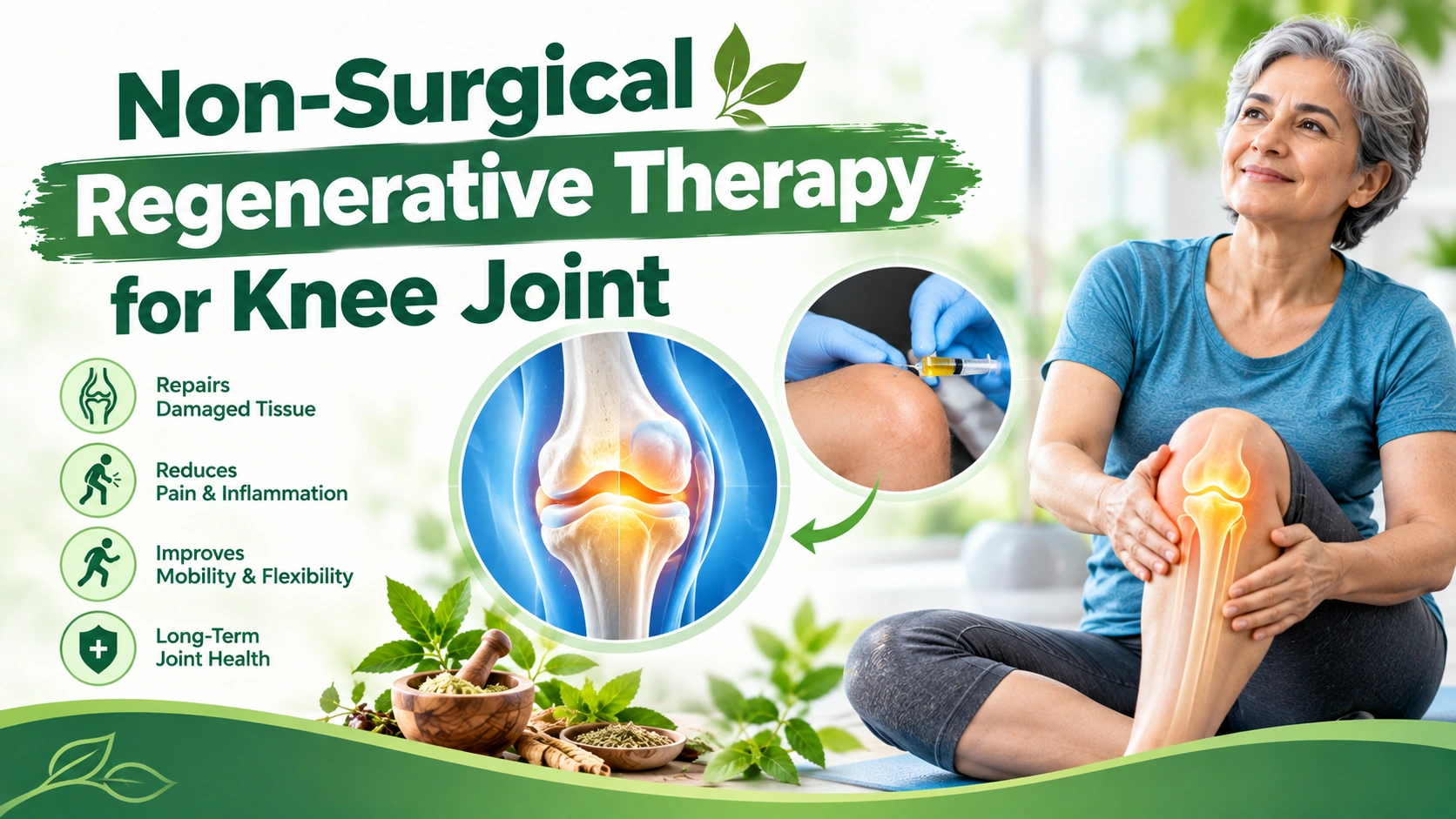
For knees that need extra backup, doctors sometimes turn to corticosteroid shots for quick relief, or newer options like platelet-rich plasma (PRP) and bone marrow concentrate injections. One two-year trial comparing bone marrow concentrate injections to exercise alone found something telling: every single patient originally assigned to the exercise-only group ended up crossing over to get the injection treatment after three months. Make of that what you will; it's worth a real conversation with your doctor, not a deep dive into Reddit threads at 1 am.
6. Surgery: The Last Chapter, Not the Opening One
When nothing conservative is cutting it anymore, and daily life has become genuinely miserable, options like arthroscopic cleanup or a full knee replacement come into play. This isn't "giving up" on your knee; it's just what happens when the joint has worn down further than exercise or lifestyle changes can realistically undo.
Quick and Slightly Judgmental Comparison Table
| Treatment | How Fast It Works | Effort Level | Best For |
| Exercise therapy | Slow, but it sticks | High; you actually have to show up | Pretty much everyone, as the foundation |
| Weight loss | Slow, compounds over time | High | Anyone carrying extra weight with knee pain |
| Physical therapy | Moderate | Medium; someone else does the thinking | People who need a real plan, not vibes |
| Pain relievers | Fast | Low | Getting through a bad flare-up day |
| Injections | Fast-ish | Low, just a needle | Pain that isn't budging with exercise alone |
| Surgery | Slow recovery, big long-term payoff | Very high | Advanced arthritis that's tried everything else |
Key Takeaways
- Exercise therapy is the treatment doctors keep coming back to first, and for good reason
- Losing even a modest amount of weight meaningfully cuts down on knee stress and pain
- Physical therapy tends to outperform generic "just exercise" advice
- Painkillers and injections manage symptoms; they don't fix the underlying wear
- Surgery is a last resort, not a first move
- The single biggest predictor of success isn't intensity; it's just not quitting halfway through
FAQs
What's the single best treatment for knee arthritis?
A mix of regular exercise and modest weight loss beats almost anything else long-term.
Will walking make my knee arthritis worse?
Usually the opposite; regular, gentle walking tends to strengthen the muscles that protect your knee.
How much weight loss actually makes a difference for knee pain?
Even losing 5–10% of your body weight has been shown to noticeably ease knee joint stress.
Are knee injections a permanent solution?
No, they're more of a temporary boost and work best paired with exercise, not as a replacement for it.
When do I actually need knee replacement surgery?
Usually only after exercise, weight loss, and medication have genuinely stopped controlling the pain.
Disclaimer
This article is for general informational purposes only and isn't a substitute for professional medical advice, diagnosis, or treatment. Everyone's knees are a little different, so please talk to a doctor or physical therapist before starting any new exercise routine, medication, or treatment plan.