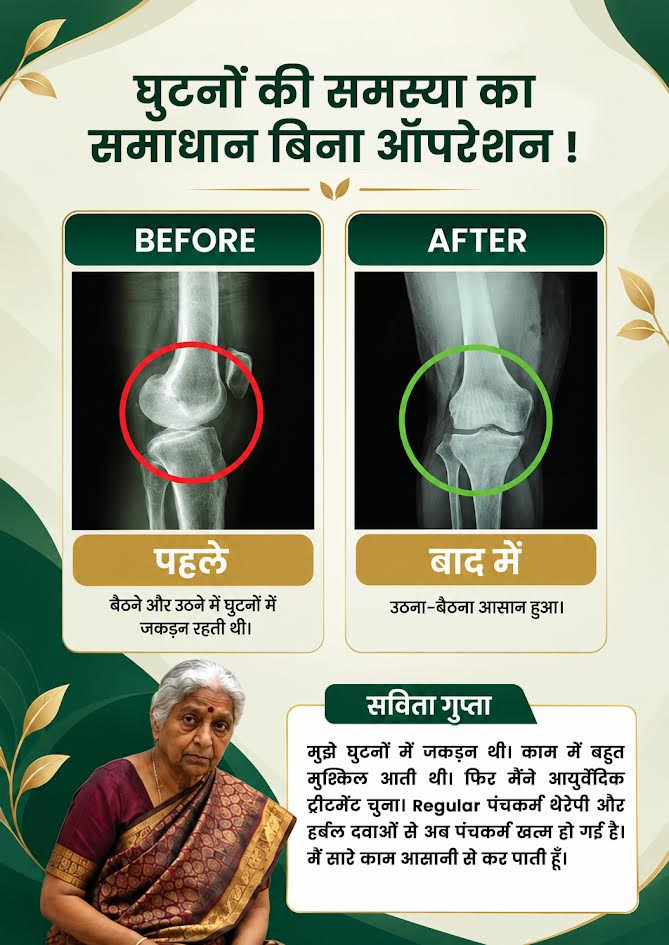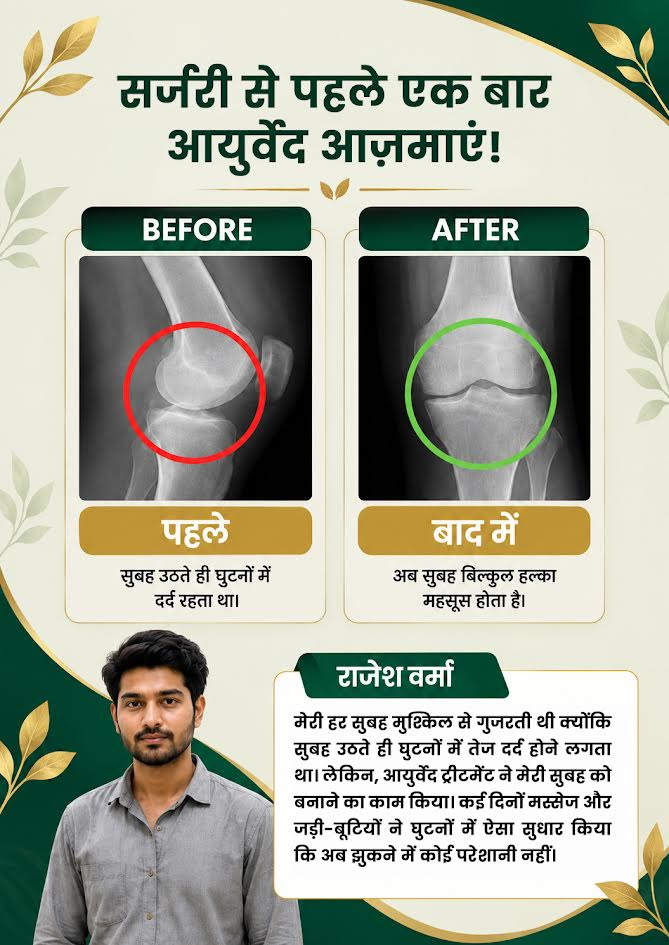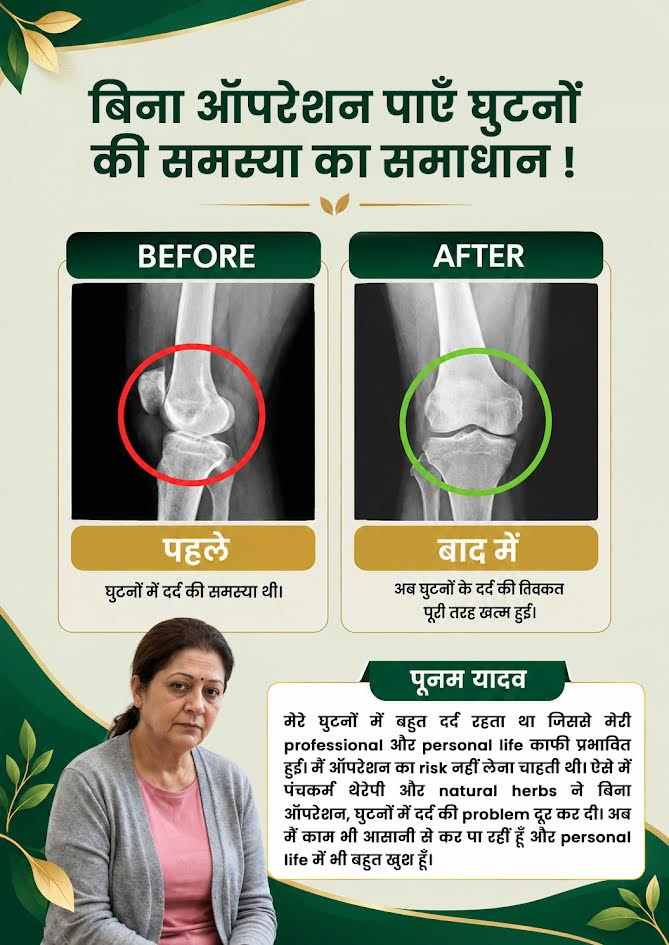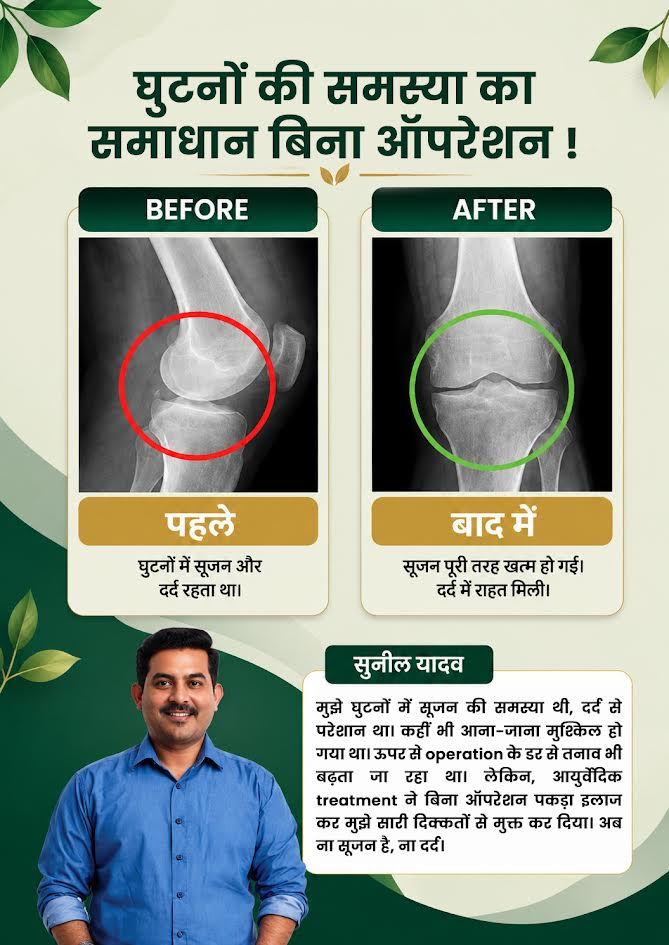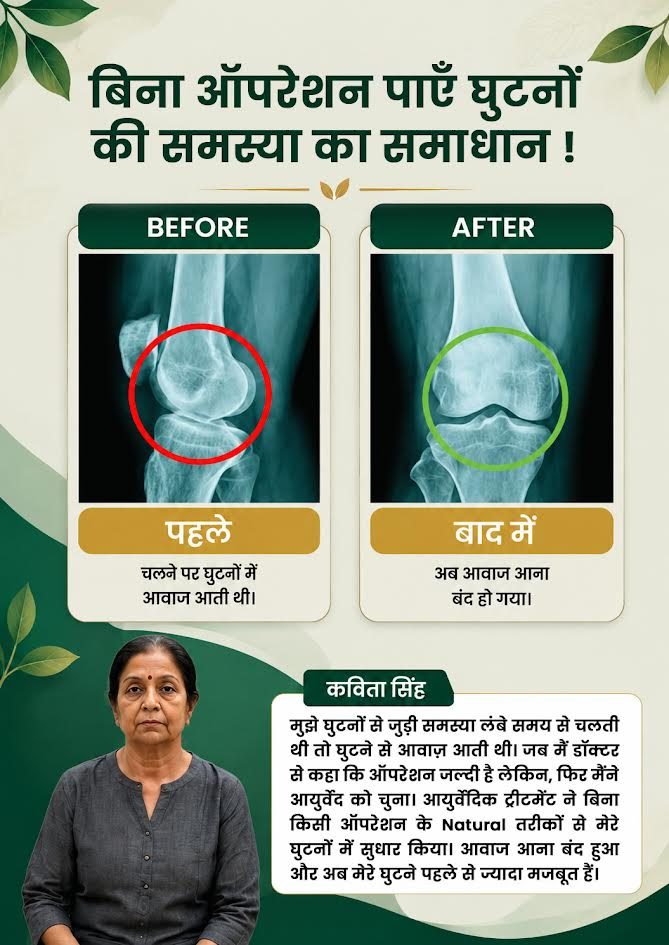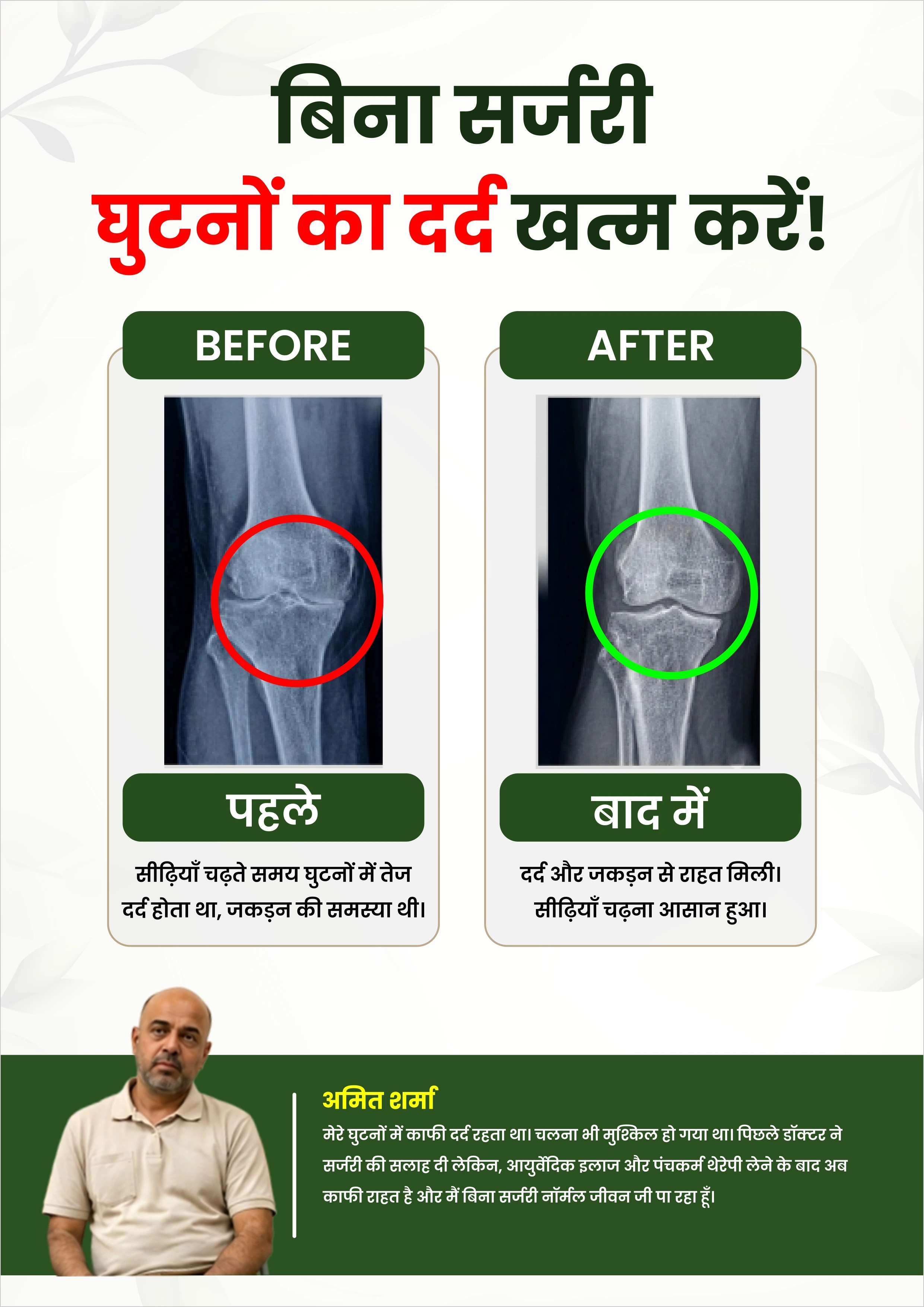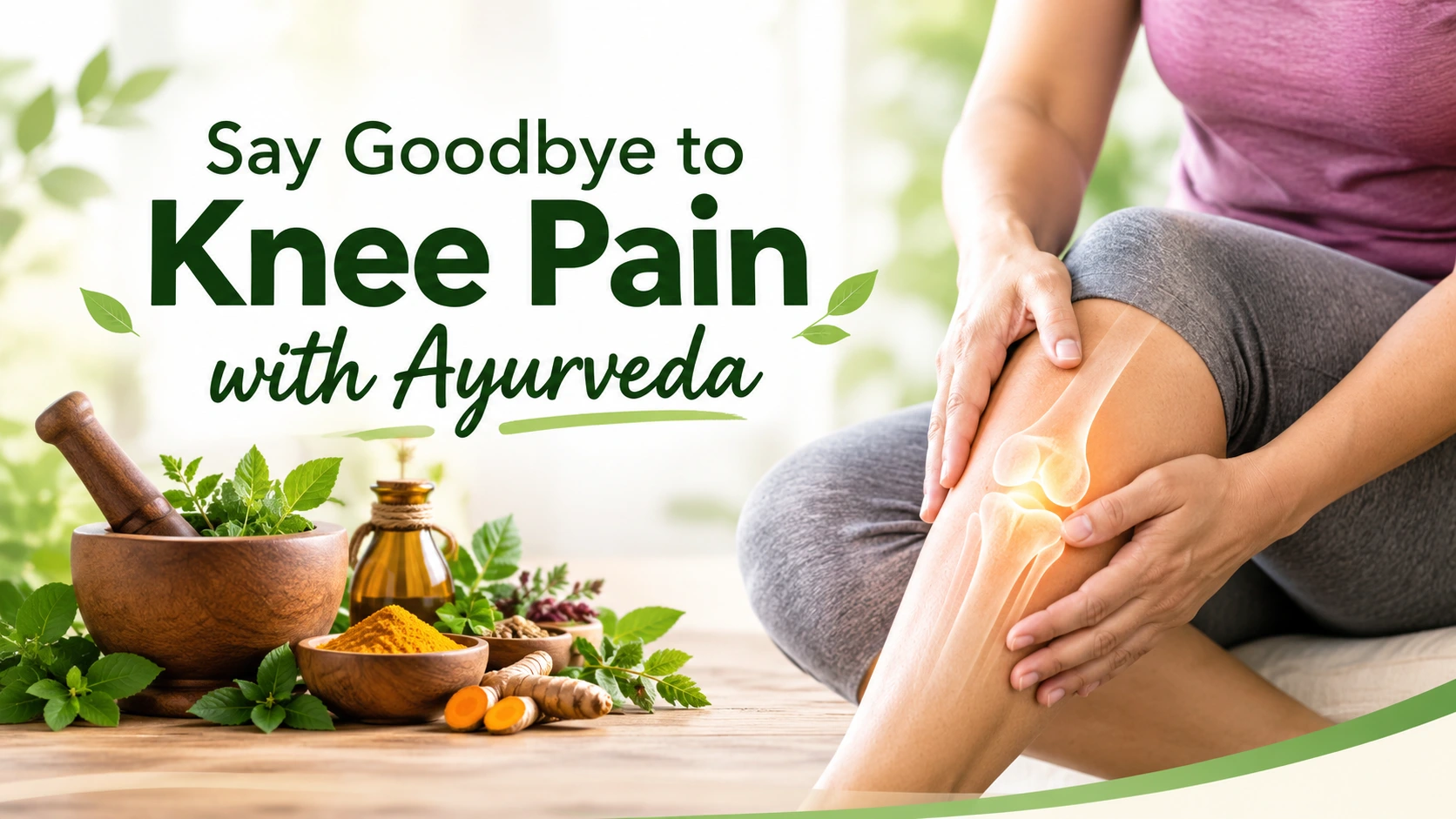
If your knees make that awful cracking sound every time you sit down, and just getting back up feels like a workout in itself, you don't have to jump straight to booking surgery. Looking into Ayurvedic treatment for knee pain usually starts with one simple idea: healing that goes after the actual root cause; not just the symptom; can genuinely give your joints a second wind, no scalpel required.
Why Your Knees Are Basically Begging for a Break
Let's be real; knees take the brunt of everything we put our bodies through. Running around after your kids, sitting at a desk for nine hours straight without moving, or deciding out of nowhere that this is the weekend you're getting back into fitness; all of it wears down the cartilage cushioning your joints.
Modern medicine calls this simple wear and tear; the cushion between your bones thinning out over time. Joint pain treatment in Ayurveda looks at it from a different angle: an imbalance in Vata dosha, the energy in the body linked to dryness and movement. When Vata gets out of balance, it dries out the lubrication in your joints (what Ayurveda calls the Kapha cushion), and that's when the stiffness, the clicking, and the pain start creeping in.
The good part? None of this means surgery is your only way forward.
📩 Ask a Kidney Expert (Free 10-Min Consultation)
Natural Knee Pain Relief: Where Old Wisdom Actually Checks Out
If you've typed knee pain natural treatment or natural treatment for knee pain into Google more than once, you're not alone; herbal remedies are worth taking seriously here. They're not just about numbing the pain temporarily; several of them work directly on the inflammation causing it.
The Herbs That Actually Make a Difference
- Shallaki (Boswellia serrata): Also known as Indian Frankincense, this one works by blocking a specific inflammatory enzyme called 5-LOX. A clinical study in Frontiers in Pharmacology (Majeed et al., 2024) found that a standardized Boswellia serrata extract brought down pain scores and joint stiffness in knee osteoarthritis patients in as little as five days, which is genuinely fast for a natural remedy.
- Haridra (Curcumin/Turmeric): The spice sitting in your kitchen right now doubles as a natural anti-inflammatory. Standardized curcumin extracts have been shown to ease joint discomfort about as well as common pain relievers, minus the toll those take on your stomach.
- Ashwagandha: Plays a real role in knee joint treatment in Ayurveda by helping strengthen the muscles supporting the joint and slowing down tissue breakdown over time.
- Guggulu & Nirgundi: Both are known for reducing swelling and clearing out the metabolic waste that tends to build up around a stressed joint.
These four keep coming up again and again as some of the best herbs for joint pain, and they're pretty much the foundation of most Knee pain Ayurvedic treatment at-home routines.
Conventional Care vs. Ayurvedic Care: Side by Side
| Feature | Conventional Pain Management | Ayurvedic Joint Care |
| Primary Goal | Fast symptom relief | Fixing what's actually causing the imbalance |
| Key Ingredients | Synthetic NSAIDs, steroids | Best Ayurvedic herbs for knee health (Boswellia, turmeric) |
| Cartilage Impact | Covers the pain, doesn't slow the wear | Looks into knee cartilage regeneration, Ayurveda, and Ayurvedic knee cartilage treatment |
| Side Effects | Stomach issues, strain on organs | Gentle, generally easy on the body |
| Long Run | Can eventually lead to surgery anyway | Aims to keep you moving well using the Best medicine for knee pain in Ayurveda |
Things You Can Start Doing at Home Today
You really don't need a fancy setup to start feeling better; a lot of this you can do with what's already in your kitchen.
- Warm Sesame Oil Massage (Abhyanga): A daily massage with warm sesame oil helps circulation in the area and eases the excess Vata that's driving the stiffness.
- Golden Milk: Stir half a teaspoon of turmeric and a pinch of black pepper (it helps your body absorb the turmeric properly) into a warm cup of milk.
- Epsom Salt Soaks: A warm compress with Epsom salt does wonders for loosening up tight tendons around the knee.
Movement Still Matters; Maybe More Than Rest
During a flare-up, resting makes sense for a bit. But staying still for too long actually makes the stiffness worse. Gentle, low-impact movement keeps your synovial fluid flowing; think of it as the natural oil that keeps your knee running smoothly.
- Janu Sirsasana (Head-to-Knee Pose): Stretches out the hamstrings and lower back without putting real weight through the knees.
- Setu Bandhasana (Bridge Pose): Builds strength in the glutes and quads, which takes a lot of pressure off the knee joint over time.
- Straight Leg Raises: Lie down flat, lift one leg to about 45 degrees, hold, then switch. Simple move, but it does a lot for quad strength and knee support.
What You Eat Plays a Bigger Role Than You'd Think
Inflammation in your joints doesn't just come from wear and tear; a good chunk of it comes from your plate.
- Eat more: warm soups, cooked whole grains, ghee, anti-inflammatory staples like ginger, garlic, and turmeric, and cooked leafy greens.
- Cut back on: cold or frozen food, refined sugar, deep-fried anything, and nightshades like tomatoes and eggplant if you notice they set off your stiffness.
When Home Remedies Aren't Enough: Dr. Puneet Dhawan
For long-standing, bone-on-bone discomfort, there's only so far home care can take you. That's usually the point where structured, clinical guidance starts to matter. Dr. Puneet Dhawan, Director at Karma Ayurveda, has spent years pushing for holistic, non-surgical treatment options for people dealing with chronic health conditions.
Under his direction, Karma Ayurveda focuses on tailored joint protocols, combining personalized herbal formulations built around the Best medicines for knee pain with classical therapies like Janu Basti, where warm medicated oil is pooled directly over the knee. The goal is straightforward: ease the discomfort, bring back flexibility, and help people move naturally again. For anyone serious about this route, working with a structured, experienced practice tends to make the whole process a lot clearer.
The Short Version
- Surgery isn't your only option; non-invasive care genuinely works on calming inflammation and rebuilding joint health.
- The herbs aren't just folk remedies; Boswellia (Shallaki) and Curcumin both have real research backing their effects at a cellular level.
- Small daily habits count for a lot: oil massage, the right kind of movement, and eating in a way that doesn't stoke inflammation.
- For chronic pain, working with someone experienced, like Dr. Puneet Dhawan, helps you get care that's actually built around your body, not a one-size-fits-all approach.
Questions People Usually Have
Can Ayurveda fully cure knee osteoarthritis?
Think of it more as long-term management than an outright cure; it brings down inflammation, eases pain, improves how well your knee moves, and can slow further wear.
How soon will I notice a difference?
Most people start feeling less stiffness and pain somewhere around the 2 to 4 week mark, as long as they're consistent with the herbs and lifestyle changes.
Are there side effects with long-term use?
Good-quality, authentic herbal formulations are generally gentle on the body, especially when you're working under proper Ayurvedic guidance rather than self-medicating.
Can lost cartilage actually come back with Ayurveda?
Full regeneration of cartilage that's already gone isn't something anyone can honestly promise. What these therapies can do is support the tissue you still have and keep the joint better lubricated.
Disclaimer: This article is meant for general information only and isn't a substitute for medical advice. Always check with a qualified doctor before starting any new treatment, diet, or routine for a chronic joint condition.