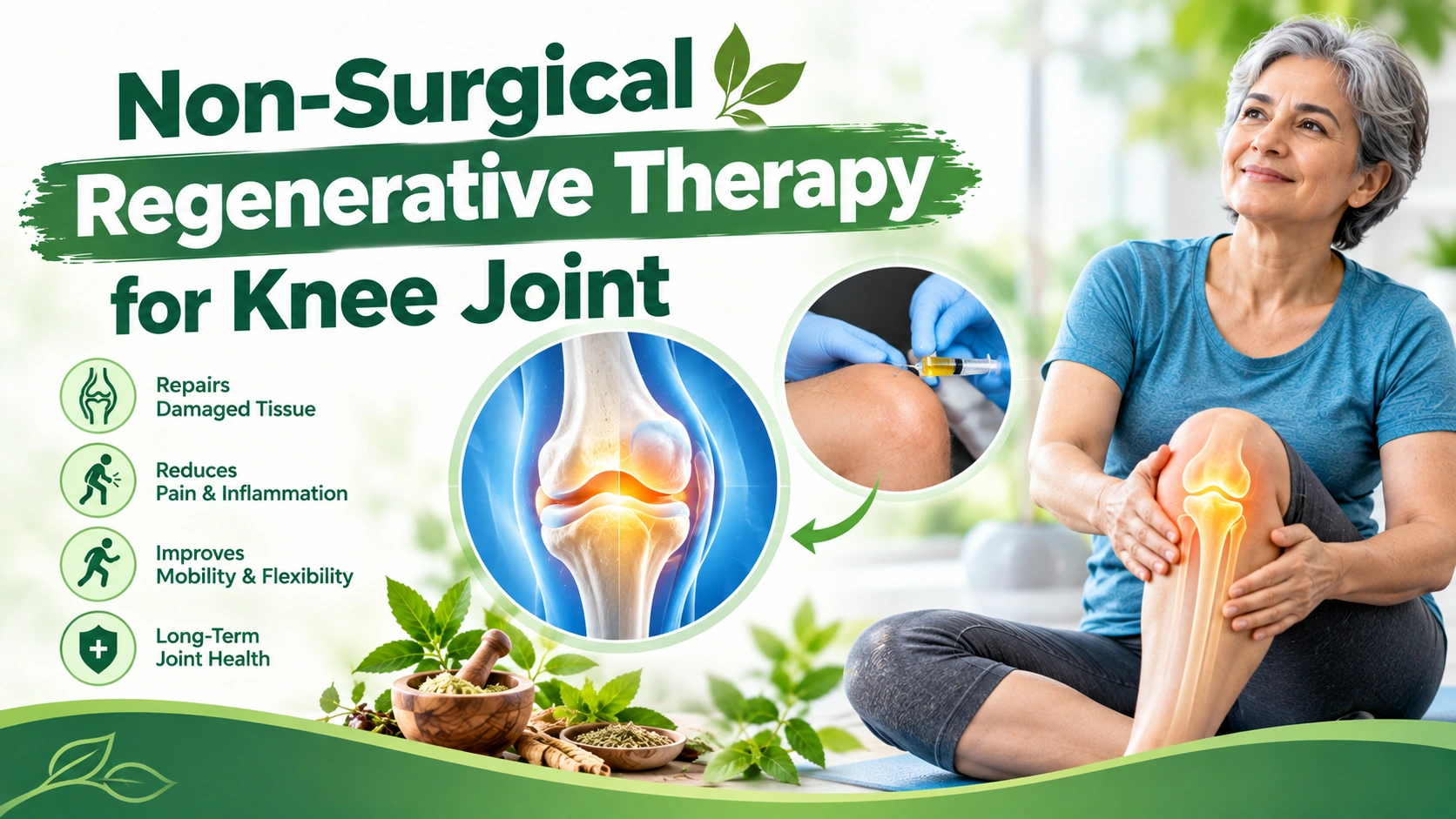
Yes, Ayurvedic medicine for knee joint pain can genuinely help, especially herbs like Boswellia and turmeric, which actually have decent clinical research behind them. But it's not an overnight fix. Think of it more like training for a slow marathon than popping a pill before a race.
Okay so let's talk about knees for a second, because at some point they stop being this thing you never think about and start becoming a whole personality trait. You know the sound. That crack when you get up from a chair that makes people in the next room go "you good?" One week you're taking the stairs two at a time, and then out of nowhere, bending down to tie your shoelace turns into a whole production. Nobody sends you a memo when this starts happening. It just... happens.
And look, I get the instinct to just grab a painkiller and move on with your day. Totally fair. But there's this other option a lot of people skip over or dismiss as "just old-school stuff," and that's Ayurveda for joint pain. It's been around doing its quiet, unbothered thing for centuries, and now research is basically catching up and saying, huh, turns out grandma wasn't wrong.
So What's Actually Going On With Your Knee?
Before jumping into remedies, it helps to know what's causing the trouble in the first place. In Ayurveda, knee pain gets linked to an aggravated Vata dosha; basically the energy in charge of movement, and when it's off balance, things dry out. Cartilage loses its cushioning, joints stop moving smoothly, and suddenly the stairs feel personal.
A few usual suspects behind knee pain:
- Age and general wear and tear (runners and desk-job folks both know this pain)
- Carrying extra body weight, which just adds pressure with every single step
- A sedentary lifestyle; ironically, sitting all day makes moving hurt more, not less
- Old injuries that technically "healed" but never really did
- A diet full of fried, cold, or heavily processed food that keeps inflammation simmering
The Ayurvedic Approach to Knee Pain
Here's the thing people get wrong about natural remedies for knee pain: it's not about swallowing one magic root and calling it a day. Ayurveda works more like a team effort. Herbs, oils, food, and movement all pulling in the same direction.
Boswellia Serrata (Shallaki)
This one keeps showing up in research, and for good reason. An 180-day randomized, placebo-controlled trial published in the Journal of the American Nutrition Association found that a standardized Boswellia serrata extract meaningfully improved pain, stiffness, and joint function in people with knee osteoarthritis, and even showed better cartilage condition on MRI scans compared to placebo.
Separately, a clinical study out of Gujarat Ayurved University looked at Shallaki resin for what Ayurveda calls Sandhivata (their term for osteoarthritis) and found real improvement in pain and stiffness, especially when the resin was taken orally along with an external oil application.
Turmeric (Haldi)
Turmeric isn't just there to make your dal look good on camera. Its active compound, curcumin, actually has anti-inflammatory effects that have held up under proper testing. A randomized, double-blind, placebo-controlled study published in the journal Nutrients in 2021 used a standardized curcumin extract and found a real reduction in knee pain scores over eight weeks compared to placebo. So yeah, your grandmother's turmeric milk habit was onto something long before it became a wellness trend.
Ashwagandha
Mostly known for calming things down, both mentally and physically. It's often included in Ayurvedic joint formulations, partly because stress and poor sleep tend to make existing pain feel worse (which, if you've ever had a bad night's sleep and then a rough knee day right after, you already know).
Guggul
A resin that's traditionally used to reduce swelling and support joint function. You'll often see it paired with Boswellia in classical formulations.
Abhyanga (Warm Oil Massage)
This isn't spa-day fluff. In Ayurveda, a warm oil massage using something like Mahanarayan oil is considered a genuine part of joint care, meant to improve circulation and calm down that aggravated Vata we talked about earlier.
Habits Worth Building Alongside the Herbs
- Move a little every day; walking, swimming, gentle yoga, whatever doesn't leave your knees filing a complaint afterward
- Eat warm, cooked, easy-to-digest meals more often than cold or raw ones
- Keep an eye on your weight, since every extra kilo adds real, physical load on your knees
- Stay warm, particularly in cold or damp weather, because Vata tends to flare up when it's cold
Ayurvedic vs Modern Approach: An Honest Comparison
| Factor | Ayurvedic Approach | Conventional Approach |
| Speed of relief | Slow and steady, more tortoise than hare | Usually quicker, more caffeinated rabbit |
| Focus | Root cause, whole-body balance | Managing the symptom in front of you |
| Side effects | Generally gentle, but quality of the herb matters | Can carry GI or long-term risks, especially with NSAIDs |
| Commitment needed | High; consistency is non-negotiable | Low; take it and move on |
| Works best for | Mild to moderate, long-term joint issues | Sudden flare-ups or severe pain |
Key Takeaways
- Ayurvedic remedies for knee pain like Boswellia serrata and turmeric are backed by real clinical trials, not just tradition
- Ayurveda treats knee pain as a whole-body issue, not something herbs alone can fix
- Give it time. Real results usually show up over weeks or months, not days
- Pair the herbs with weight management, warm food, and daily movement for it to actually work
- Talk to a doctor or qualified Ayurvedic practitioner before starting anything new, especially if you're already on medication
FAQs
Is Ayurvedic medicine actually effective for knee osteoarthritis?
There's real clinical research behind herbs like Boswellia and turmeric showing improvement in pain and stiffness, so yes, it holds up.
How long before Ayurvedic treatment starts showing results for knee pain?
Most people start noticing a difference somewhere between four and twelve weeks in, not overnight.
Can Ayurvedic herbs be taken alongside regular painkillers?
Usually yes, but check with your doctor first since a few herbs can interact with certain medications.
Does oil massage genuinely help with knee pain, or is it just relaxing?
It genuinely helps too; warm oil massage improves circulation and joint lubrication, not just the relaxation part.
Is turmeric for joint pain backed by science or just a kitchen myth?
It's now backed by science, with several trials on curcumin showing real reductions in knee pain.
Disclaimer: This blog is meant for general information only and isn't a replacement for professional medical advice. Please talk to a qualified doctor or Ayurvedic practitioner before starting any new herb, treatment, or supplement, especially if you have an existing condition or take other medication.