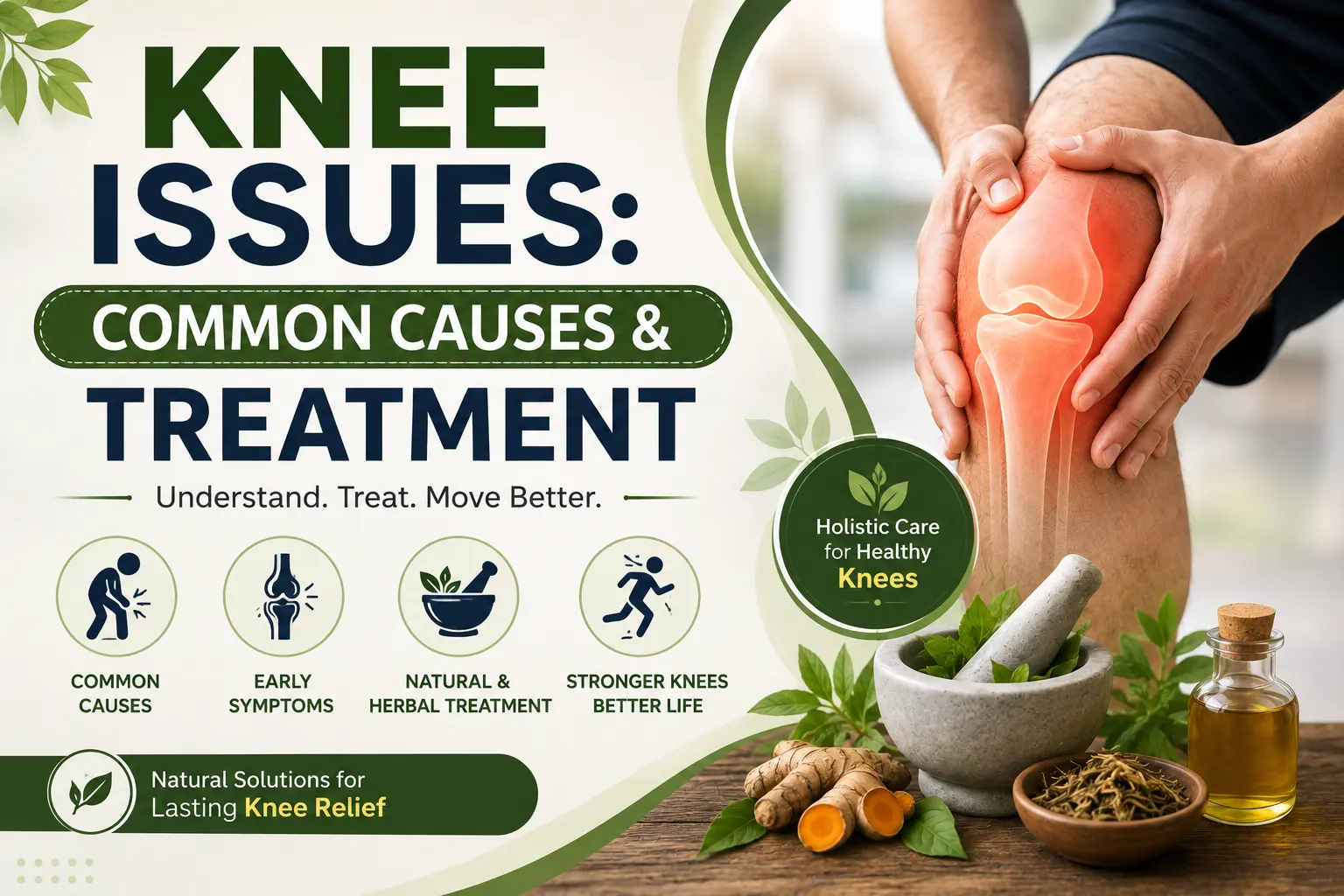
Common knee issues are usually caused by acute injuries, repetitive overuse, or age-related wear and tear, and they are typically treated through a mix of rest, physical therapy, medication, or targeted medical procedures. Whether your joint decided to throw a fit after a high-stakes weekend soccer game or simply protested against you standing up from the couch, knee pain has an uncanny ability to crash the party uninvited.
Think about everything your knees do for you. They carry your entire body weight, absorb shock like hydraulic springs, and help you walk, run, jump, and awkwardly dance at weddings. It is no wonder they get a little moody from time to time. To figure out why your lower limbs are groaning, it helps to understand what is actually going on beneath the surface.
The Usual Suspects: Common Causes of Knee Pain
When your knee starts acting up, it is rarely doing so out of spite, even if it feels like it. The knee is a complex mechanical hinge made of bones, cartilage, ligaments, and tendons, and when one piece gets annoyed, the whole system lets you know.
- Ligament Sprains and Tears: You have four major ligaments holding your thigh bone to your shin bone. The most famous of the bunch is the ACL (anterior cruciate ligament tear), which often pops up in sports involving sudden stops or twists. If you hear a pop followed by instant regret, a ligament might be shouting for help.
- Meniscus Tears: The meniscus acts as the rubbery shock absorber between your bones. A meniscus tear often happens when you twist your knee while bearing heavy weight. It is the classic "I reached down to pick up a tennis ball and now I walk like a pirate" injury.
- Knee Osteoarthritis: This is the classic wear-and-tear issue where the protective cartilage smooths out over time. Osteoarthritis of the knee usually brings a stiff, grinding feeling, especially first thing in the morning or when rainy weather rolls in.
- Patellar Tendonitis: Also known as jumper's knee, patellar tendonitis is an inflammation of the tendon connecting your kneecap to your shinbone. It is incredibly common among runners, basketball players, and anyone who recently decided that plyometric workouts sounded fun.
- Bursitis: Kneeling on hard floors for too long can inflame the small, fluid-filled sacs (bursa) that cushion the outside of your joint. If the front of your kneecap looks like a small plum, bursitis might be the culprit.
How Doctors Diagnose Knee Pain
If your knee pain persists for more than a few days or makes it hard to walk, it is time to step away from internet search engines and consult a professional. Healthcare providers rely on a few standard, logical steps to get to the bottom of the problem:
- Physical Exam: A doctor will press on the joint, check for stability, and gently bend your leg into positions that reveal which specific structure is hurting.
- X-rays: Great for spotting bone fractures or seeing how much joint space is left to check for arthritis.
- MRI Scans: The ultimate soft-tissue detective. An MRI builds a clear image of ligaments, tendons, and cartilage to confirm tears or internal swelling.
Treating Knee Issues: From Home Care to Medical Intervention
Treatment is never a one-size-fits-all deal, but the general roadmap starts conservatively before moving into heavier tools.
At-Home Relief: The R.I.C.E. Method
For mild tweaks or sudden overexertion, classic home care often works wonders:
- Rest: Stop forcing the joint to work through sharp pain. Give it a break.
- Ice: Apply cold packs for 15–20 minutes at a time to reduce initial inflammation.
- Compression: An elastic knee compression sleeve helps keep swelling in check and provides mild support.
- Elevation: Prop your leg up on a few pillows so it sits above your heart level to help fluid drain away.
Targeted Physical Therapy
In almost every scenario, whether recovering from an injury or managing chronic stiffness, physical therapy for knee pain serves as the primary engine for recovery. A therapist guides you through specific knee strengthening exercises targeting the quadriceps, hamstrings, and glutes. Stronger surrounding muscles take the direct load off the joint itself.
Medical and Surgical Options
When conservative care falls short, medical procedures can step in:
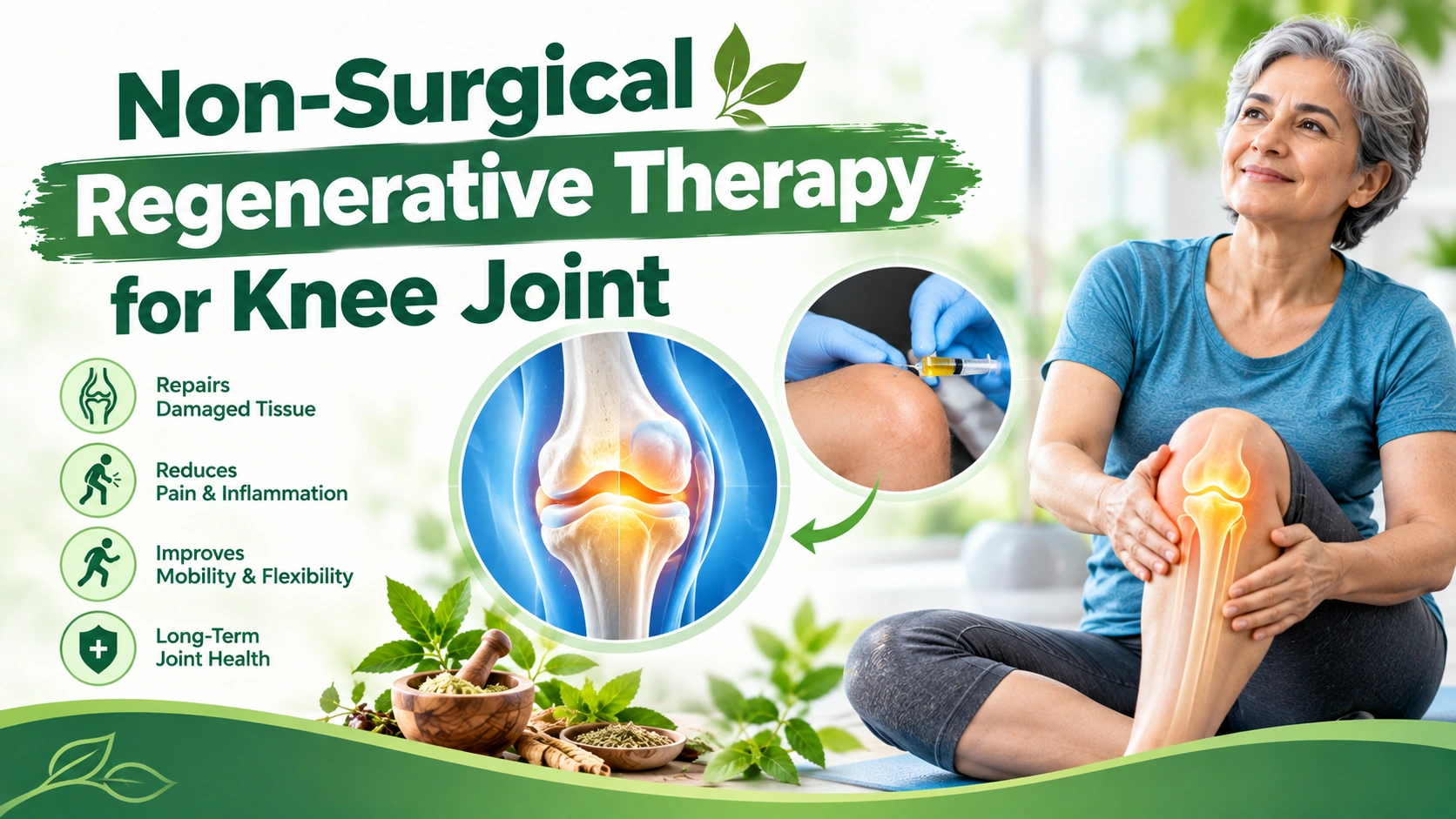
- Injections: Corticosteroid shots can calm severe inflammation for months, while hyaluronic acid injections aim to add extra lubrication inside the joint capsule.
- Arthroscopic Surgery: A minimally invasive procedure where surgeons use tiny tools and small incisions to trim torn meniscus cartilage or repair damaged tissues.
- Joint Replacement: For advanced arthritis that severely limits daily life, total knee replacement surgery replaces worn-out bone surfaces with durable metal and plastic components.
Keeping Your Knees Happy for the Long Haul
Prevention is always less painful than rehabilitation. Keeping joints healthy long-term boils down to simple, sustainable habits:
- Maintain a Healthy Weight: Every extra pound of body weight adds roughly four pounds of pressure on your knees when you walk. Lightening that burden pays massive dividends over time.
- Choose Low-Impact Exercise: Swap out constant hard-surface pounding with swimming, cycling, or elliptical training to stay fit without beating up your joints.
- Wear Supportive Footwear: Your feet are the foundation. Shoes with proper arch support prevent your knees from knocking inward or taking uneven impact.
- Never Skip Warm-ups: Cold tendons are brittle tendons. Spend five minutes doing light movement before jumping into heavy workouts or sports.
Listening to your body is the ultimate rule. A little muscle soreness is normal, but sharp, persistent joint pain is your knee's way of asking for a breather. Treat them well, keep them moving, and they will continue to support you wherever you want to go.
Frequently Asked Questions Call Now
When should I see a doctor for knee pain?
See a doctor immediately if you cannot bear weight on your leg, see visible deformity, experience severe swelling, or hear a loud "pop" accompanied by intense pain.
Is walking good or bad for knee pain?
Walking is generally beneficial for mild, chronic issues like osteoarthritis because it keeps joints lubricated. However, rest if you experience sharp, acute pain or significant swelling.
How long does a minor knee strain take to heal?
Most mild knee sprains or strains improve within 2 to 4 weeks with basic rest, ice, compression, and light stretching.
What is the difference between a knee strain and a knee sprain?
A strain involves stretched or torn muscles or tendons, while a sprain involves stretched or torn ligaments that connect bone to bone.
Can weight loss really reduce knee pain?
Yes. Every extra pound of body weight places roughly 4 additional pounds of pressure on your knee joints during daily activities like walking and climbing stairs.