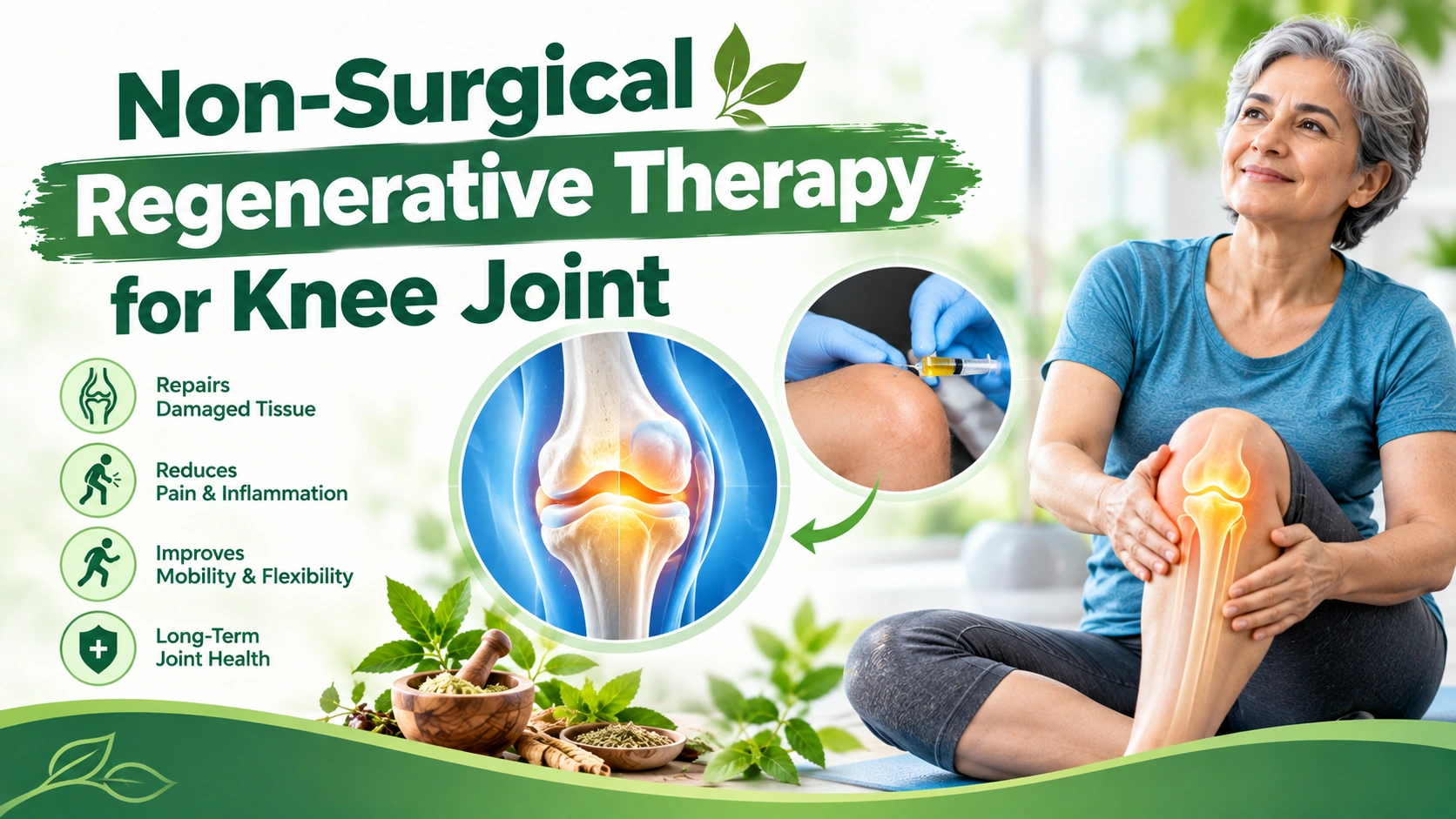
Warm medicated oil, pooled around your knee inside a little dough ring, actually helps calm down knee pain; that's the short answer, and that's essentially what Janu Basti in Bangalore with Karma Ayurveda is all about. No, it's not one of those "ancient secret" gimmicks you see on WhatsApp forwards. It's a real, documented Panchakarma technique, and people have been using it long before "total knee replacement" was even a sentence anyone had to say out loud.
If you've been Googling your knee pain at 1 AM, cycling through creams that smell like tiger balm's cousin, and quietly resenting stairs, hi, welcome, you're in the right place. Your knees aren't a lost cause. Let's actually get into what Janu Basti is, why it seems to work, and why half of Bangalore's aunties and IT crowd alike are booking sessions for it.
Okay, But What Is Janu Basti, Really?
So here's the setup: a ring of black gram (urad dal) dough gets placed around your knee like a tiny mud dam; think of it as your knee's personal little swimming pool. Warm herbal oil gets poured right into that ring and just... sits there. Soaking in. Slowly working through the skin and into the joint for about 20 to 45 minutes, depending on the therapist and the condition being treated.
It sounds almost too simple, right? An oil bath for your knee? But that's kind of the whole point of it. This falls under Ayurvedic knee pain treatment, and more broadly under joint pain treatment in Ayurveda. In Ayurvedic terms, most chronic knee trouble gets filed under Sandhigata Vata; basically, Vata dosha getting aggravated and settling into the joint, drying it out, and making it stiff and cranky. Which, if your knee has ever creaked getting up from the floor, you already understand on a personal level.
Does It Actually Work, Or Is This Wishful Thinking?
Fair question. Let's skip the vague "ancient wisdom" talk and look at what's actually been studied.
A comparative clinical study published in AYU (An International Quarterly Journal of Research in Ayurveda) put Janu Basti head-to-head with another Panchakarma therapy called Matra Basti, tracking pain using the Visual Analog Scale and disability through the WOMAC index over a 30-day window. Both therapies showed real, measurable improvement, which is a nice thing to see written down in a journal rather than just heard from someone's uncle.
There's also a pilot study where Janu Basti was done using Ksheerbala oil, followed by local steaming, across a 21-day course, specifically to see how it holds up for elderly patients dealing with knee osteoarthritis; a group where mobility loss is a genuinely big deal, not just an inconvenience.
Another one combined Marma Therapy (pressure work on specific points around the leg) with Janu Basti using Ksheerbala Taila, run over 9 days with a month of follow-up. Patients reportedly walked away with better joint mobility and noticeably less stiffness.
And for anyone who wants their evidence a bit more rigorous; there's an open-label randomized controlled trial protocol, published through PMC, comparing a full Ayurveda regimen (Janu Basti with Dhanwantara Taila, plus oral formulations like Laksha Guggulu) against standard diclofenac gel treatment over 180 days. That's the kind of structured, apples-to-apples comparison that helps a therapy this old earn a proper seat at the modern medical table instead of being dismissed as folklore.
To be clear, none of this makes Janu Basti some miracle cure. Nothing is. But it does mean there's real, published curiosity behind why this dough-and-oil combo has stuck around for thousands of years while so many "wellness trends" quietly disappear after two Instagram cycles.
Why It's Good News for Your Cartilage Too?
Ayurveda doesn't really treat the knee like a hinge that just needs a hard reset. It treats it like living tissue that needs warmth, oil, and nourishment; kind of like a squeaky door, except this door happens to carry your entire body weight up four flights of stairs.
That's usually why Janu Basti isn't done alone. It's often paired with:
- Best herbs for joint pain; think Shallaki (Boswellia), Guggulu, and Rasna, all known for anti-inflammatory effects
- Medicated oils like Mahanarayana Taila or Ksheerabala Taila, used for knee cartilage regeneration ayurveda support
- Internal herbal formulations aimed at ayurvedic knee cartilage treatment, working on the joint from the inside, not just soothing the surface
- Basic lifestyle and diet corrections, because Ayurveda firmly believes your dinner plate has strong opinions about your knees, whether you agree or not
So really, it's less "one relaxing session and done," and more a layered approach to knee joint treatment in ayurveda; oil therapy on the outside, herbs on the inside, and some lifestyle nagging tying it all together.
Janu Basti vs Other Knee Treatments (Told Honestly, With a Bit of Sass)
| Treatment | What It's Actually Like | The Catch |
| Janu Basti (Ayurveda) | Warm oil pool on your knee, spa-day vibes | Needs a proper course of sessions, not a one-off |
| Painkillers | Fast relief, feels like magic for a few hours | Doesn't touch the root cause, and your liver files a complaint |
| Knee Surgery | The big, decisive option | Real recovery time, real cost, real "please don't climb Nandi Hills next week" energy |
| Physiotherapy alone | Slow, steady, builds real strength | Doesn't always reach deep joint dryness or inflammation on its own |
Not every knee needs the same fix; some genuinely do need surgery, no argument there. But for early or moderate stiffness, degeneration, or that ache that shows up right on cue every monsoon, Janu Basti is worth a serious look before jumping straight to the more invasive stuff.
Why Bangalore, and Why Karma Ayurveda Specifically?
Bangalore has a very particular knee-pain problem brewing: long commutes, longer work hours, chairs that were clearly not designed by anyone who's ever sat in traffic on ORR, and a growing older population all adding up. Knee complaints here aren't just an "elderly people" issue anymore; younger professionals are showing up with stiff, achy knees earlier than you'd expect.
Karma Ayurveda for Janu Basti therapy in Bangalore leans into individualized treatment plans instead of a generic, everyone-gets-the-same-oil approach. Dr. Puneet Dhawan and the broader team are known for focusing on root-cause treatment rather than just chasing symptoms, which, if you've spent years managing pain instead of fixing it, is a fairly refreshing shift.
If you're searching for the best medicine for knee pain in ayurveda, or you're simply done with a daily pill routine that mostly seems to be draining your wallet without draining your pain, it's worth having an actual conversation with a qualified Ayurvedic physician about a structured plan like this.
Key Takeaways
- Janu Basti uses warm medicated oil held over the knee inside a dough ring; a classic Panchakarma technique
- Published studies (AYU journal, pilot trials, an RCT protocol) show real improvement in pain and mobility scores, not just anecdotal praise
- Works best alongside internal herbs like Shallaki, Guggulu, and Rasna for complete joint pain treatment in ayurveda
- Best suited to early or moderate knee osteoarthritis and chronic stiffness; not a stand-in for emergency surgical care
- Karma Ayurveda, under Dr. Puneet Dhawan, offers personalized Janu Basti protocols across Bangalore
FAQs
Is Janu Basti painful?
Not even a little; most people find it warm and relaxing, and a few actually doze off mid-session.
How many sessions of Janu Basti does it usually take?
Generally somewhere between 7 and 14 sessions, depending on how long your knee's been holding a grudge.
Can Janu Basti actually help with knee cartilage regeneration?
It supports joint nourishment and lubrication and is often paired with internal herbs for cartilage support, though how much it helps varies from person to person.
Does Janu Basti replace the need for knee surgery?
For mild to moderate cases it can help a great deal, but if there's serious structural damage, surgery may still need to be on the table.
Who shouldn't get Janu Basti?
Anyone with an open wound, skin infection near the knee, or active inflammation should check with a doctor before booking a session.
Disclaimer: This blog is meant for general information only and isn't a substitute for professional medical advice, diagnosis, or treatment. Please consult a qualified Ayurvedic physician or your doctor before starting any therapy, especially if you already have an existing medical condition.