Short answer: yes, several small clinical studies suggest Agnikarma for knee arthritis can meaningfully reduce pain and stiffness; but it's not a magic wand that regrows your cartilage overnight. Think of it less like a miracle cure and more like a really effective, slightly dramatic-sounding pain-relief tool from Ayurveda's very old toolbox.
Now that we've got the elevator-pitch answer out of the way, let's actually talk about what this treatment is, whether the science backs it up, and what else you can do for your creaky knees besides lighting them on fire (kidding; mostly).
Wait, People Actually Use Heat to Treat Knee Pain?
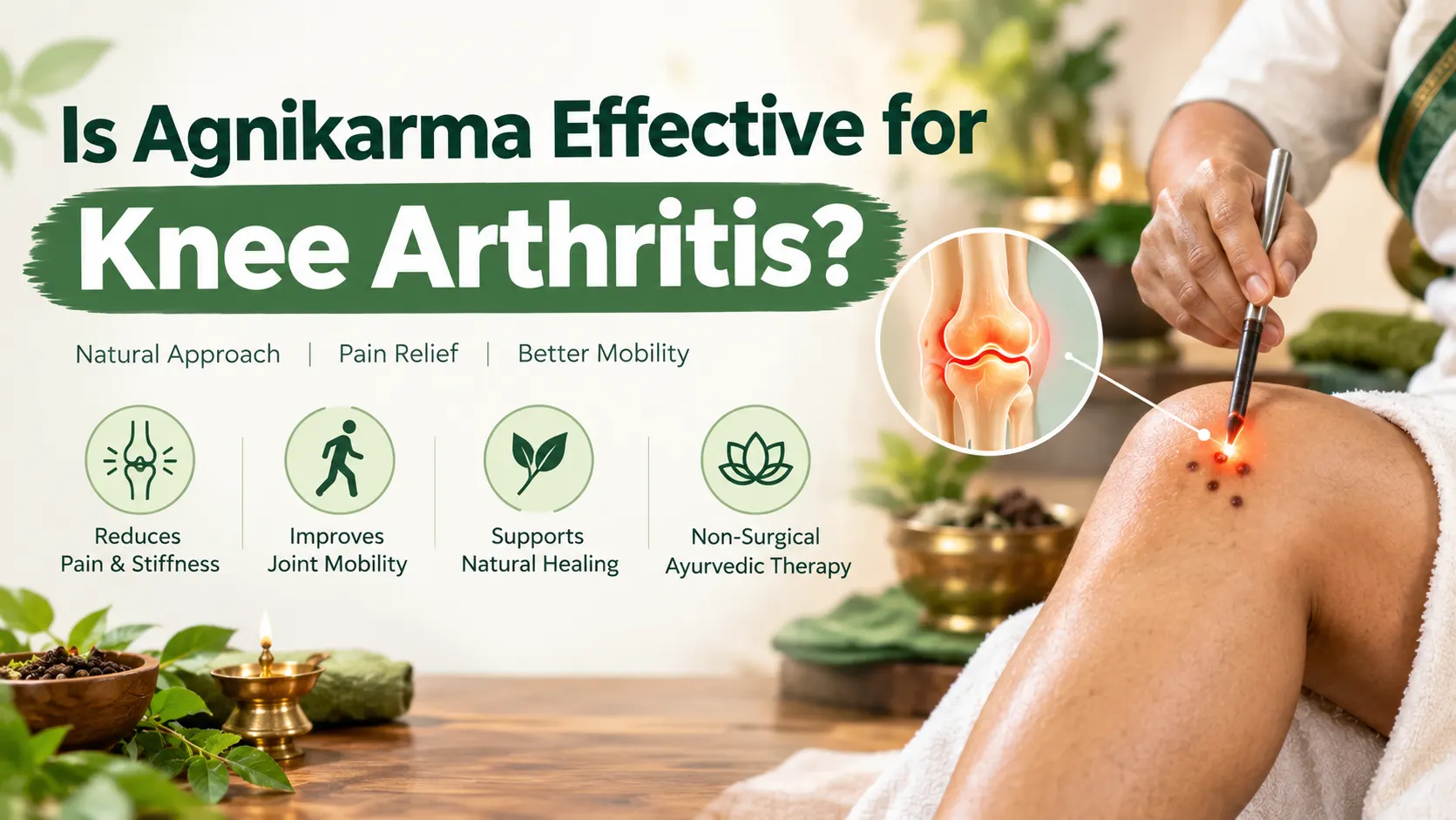
Yes. Agnikarma literally translates to "fire therapy," and it's one of Ayurveda's para-surgical procedures where a heated metal probe (gold, silver, or a five-metal alloy called Panchadhatu, if you're feeling fancy) is briefly touched to specific points around the knee joint. It sounds terrifying, but practitioners describe it as quick, controlled, and honestly less dramatic than it sounds on paper.
In Ayurvedic terms, knee osteoarthritis is called "Janu Sandhigata Vata"; basically, an imbalance of Vata dosha settling into the knee joint, causing pain, swelling, and that lovely creaking sound your knees make when you stand up after sitting cross-legged for too long.
📩 Ask a Kidney Expert (Free 10-Min Consultation)
Okay, But Does the Science Actually Support It?
This is where it gets interesting. Several published studies (not just anecdotes from your uncle who swears by it) have looked into this:
- A study published in the journal Ayu (Jethava et al., 2015) found that Agnikarma using silver and iron probes gave 76–84% relief in pain among knee osteoarthritis patients over four sessions.
- A comparative study in the Journal of Natural Remedies combined Agnikarma with an herbal formulation called Panchatikta Guggulu and found combining the two worked better than Agnikarma alone.
- A 2026 quasi-experimental study published in the Indian Journal of Traditional Knowledge compared "snigdha agnikarma" with traditional marma manipulation and found meaningful improvement in WOMAC osteoarthritis scores.
- Ongoing randomised trials (like one registered at Mahatma Gandhi Ayurveda College, tracked through 2026) are comparing Agnikarma against Marma Chikitsa using proper pain and mobility scales, which is encouraging because it means the field is moving toward more rigorous evidence.
So, is it a guaranteed fix? No. Is it "just placebo and vibes"? Also no; there's real, published, peer-reviewed data pointing to genuine pain relief, especially for people who've had enough of popping painkillers like candy.
Agnikarma vs Other Popular Knee Treatments: A (Mostly Honest) Comparison
| Treatment | How It Feels | Commitment Level | Fire Involved? |
| Agnikarma for knee arthritis | Quick, warm pinch | 4 sessions, weekly | Yes, briefly |
| Painkillers | Numbs pain, ignores cause | Daily, indefinitely | No, but your stomach lining may protest |
| Knee replacement surgery | Life-changing, but a big deal | Weeks of recovery | No |
| Ayurvedic knee cartilage treatment (herbs + oils) | Slow and steady | Months | No |
What About Home Remedies?
If the idea of a heated probe near your knee makes you want to lie down (understandably), there's a whole world of knee pain Ayurvedic treatment at home you can try alongside professional care:
- Warm sesame or mahanarayan oil massage; daily gentle massage improves circulation and reduces stiffness.
- Turmeric and warm milk ("golden milk"); turmeric's curcumin has documented anti-inflammatory properties.
- Fenugreek seed water; soaked overnight, sipped in the morning, an old household trick for joint discomfort.
- Hot fomentation with a cloth bag of heated salt or sand; basically a DIY, much gentler cousin of Agnikarma.
Yoga & Exercises (Yes, Even With Cranky Knees)
Movement is medicine, even if your knees are currently unionizing against you:
- Quadriceps sets; tighten your thigh muscle while your leg is straight; no joint movement required.
- Straight leg raises; build supporting muscle without stressing the joint.
- Gentle yoga poses like Tadasana (Mountain Pose) and Setu Bandhasana (Bridge Pose, modified) improve flexibility without cranking the knee into painful angles.
- Avoid deep squats or Virasana if your knees are already grumpy; no need to be a hero.
Diet Plan for Happier Knees
- Anti-inflammatory foods: turmeric, ginger, garlic, flaxseed.
- Best herbs for joint pain: Shallaki (Boswellia), Guggulu, Ashwagandha; commonly used in Ayurvedic knee cartilage treatment formulations.
- Avoid: excess fried food, cold drinks, and curd at night (classic Ayurvedic no-no for Vata imbalance).
- Add: warm, cooked, lightly spiced meals; think khichdi over cold salads.
A Quick Word on Dr. Puneet Dhawan
Dr. Puneet Dhawan is a Delhi-based Ayurvedic practitioner and founder of Karma Ayurveda, a fifth-generation Ayurveda practice known primarily for its work in kidney health. Like many established Ayurvedic clinics, personalized joint and pain-management consultations (including guidance on joint pain treatment in Ayurveda) are also part of the broader practice philosophy, rooted in diet, lifestyle, and herbal correction rather than one-size-fits-all fixes. As always, if you're considering a procedure like Agnikarma, it's worth confirming the specific practitioner's hands-on experience with that exact therapy.
Key Takeaways
- Agnikarma for knee arthritis has real, published clinical support for pain relief; not just tradition.
- It works best combined with herbs, diet, and lifestyle changes, not as a standalone miracle.
- Home remedies and gentle yoga can meaningfully support knee pain natural treatment.
- Always consult a qualified, registered Ayurvedic practitioner before undergoing Agnikarma.
FAQs
Is Agnikarma painful?
Most people describe it as a quick warm pinch, not a burn you'll be dramatically recounting for years.
How many sessions of Agnikarma are needed for knee pain?
Most studies used around four weekly sessions to see meaningful relief.
Can Agnikarma regenerate knee cartilage?
Not directly; it mainly helps with pain and stiffness, not rebuilding cartilage.
Is Agnikarma safe for elderly patients?
Generally yes, and it's often preferred over long-term painkillers, but a doctor should confirm suitability case by case.
Can I combine Agnikarma with yoga and diet changes?
Absolutely, and most practitioners actually recommend it for better, longer-lasting results.
Disclaimer: This blog is for general informational purposes only and is not a substitute for professional medical advice, diagnosis, or treatment. Always consult a qualified healthcare provider or registered Ayurvedic practitioner before starting any new treatment, therapy, or remedy for knee arthritis.