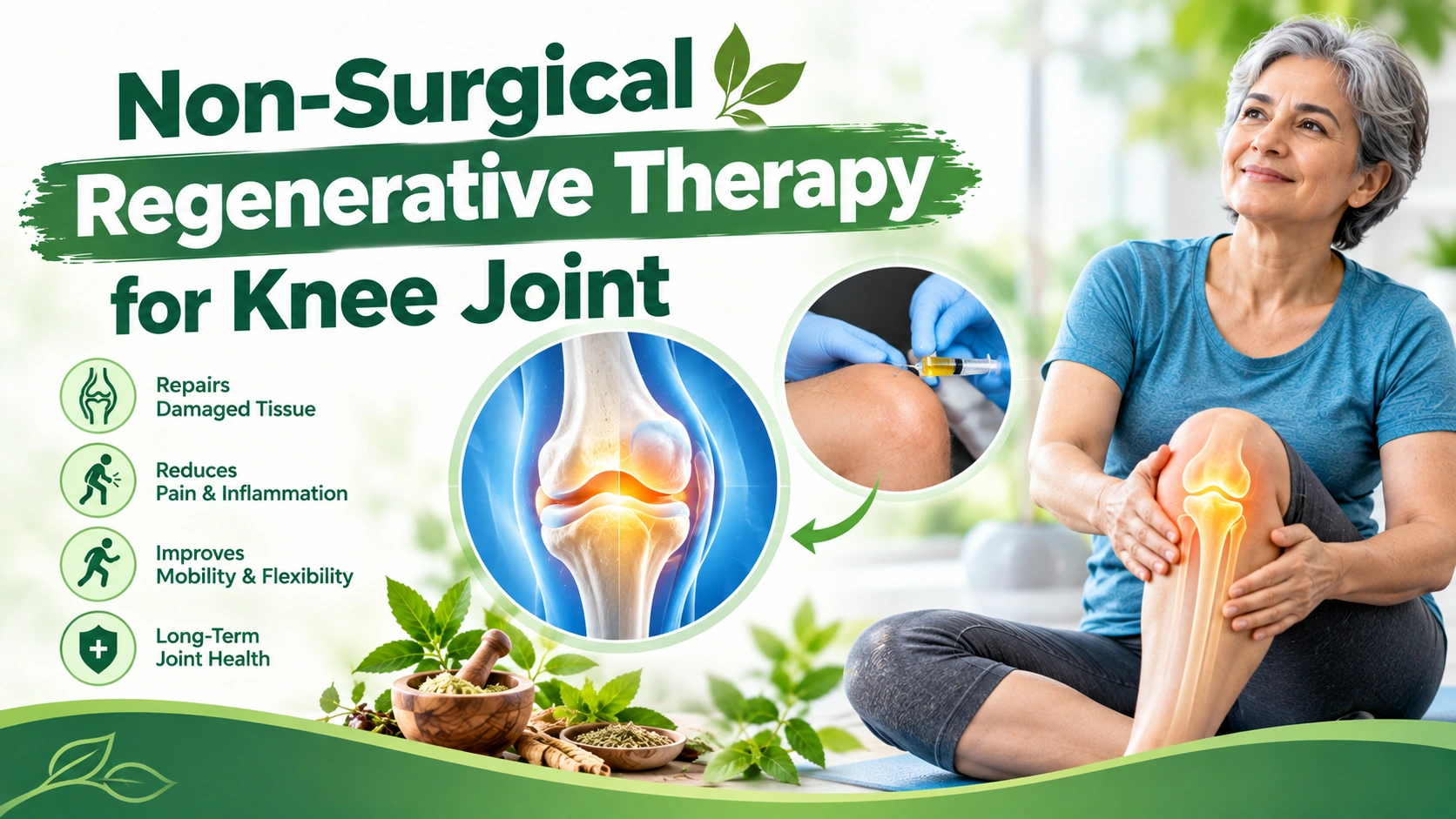
Yes, dropping a few pounds really can quiet down cranky knees and hips because for every pound you lose, your knees get to carry roughly four pounds less pressure with every single step. That's not a diet-industry slogan; that's basic biomechanics doing you a solid.
Now, before you go into a panic thinking this blog is about to hand you a 5 AM boot camp routine and a diet of sad lettuce, relax. This isn't that. This is about understanding why your joints are yelling at you, and why something as "boring" as gentle, steady weight loss might be the most underrated pain-relief tool sitting right under your nose (or, well, under your knees).
Why Your Joints Are Taking This So Personally
Here's the thing nobody explains properly: your knees don't just carry your body weight; they carry a multiplied version of it. When you walk, the force through your knee joint can be three to six times your body weight. Climbing stairs? Even more. So, if you're carrying an extra 20 pounds, your knees aren't dealing with 20 extra pounds; they're dealing with 60, 80, sometimes 100+ pounds of extra force, step after step, day after day, year after year.
It's like your joints are stuck doing squats with a weighted vest they never agreed to wear.
This is why joint pain and weight loss are so closely linked, especially when it comes to knee osteoarthritis; the wear-and-tear kind of arthritis where the cushiony cartilage between your bones slowly breaks down. And the knees usually take the loudest hit, though hips, ankles, and even your lower back aren't exactly thrilled either.
It's Not Just About Pressure; Fat Tissue Talks Back
Here's the part that surprises most people: it's not only about mechanical load. Extra body fat, particularly around the belly, isn't just sitting there quietly. It's metabolically active and releases inflammatory chemicals into your bloodstream; things like cytokines that can increase inflammation throughout your body, including inside your joints.
So even joints that aren't weight-bearing (like your fingers or wrists) can feel the effects of excess weight. Basically, fat tissue is a bit of a gossip; it talks to your whole body, and unfortunately, joints are listening.
This dual effect- mechanical pressure plus inflammation; is exactly why weight loss for joint pain relief tends to work so much better than just popping painkillers and hoping for the best.
What the Research Actually Shows (Because We're Not Just Vibing Here)
Let's bring in the receipts, because "trust me bro" isn't a valid citation.
- A well-known study published in Arthritis & Rheumatism (2005) by researchers at Wake Forest University found that losing just one pound resulted in roughly a four-pound reduction in knee-joint load with every step. Lose 10 pounds, and that's about 48,000 pounds less compressive force on each knee per mile walked. Yes, per mile. Your knees will send a thank-you card.
- The same Wake Forest research group later ran a landmark clinical trial (published through NIH-supported research) showing that people who lost around 10% of their body weight through diet and exercise saw less pain and better mobility meaningfully; and those who lost 20% or more saw even greater relief, along with lower levels of inflammatory markers in their blood.
- A 2017 study published in Radiology used MRI scans on over 640 overweight or obese adults with knee osteoarthritis and found that those who lost weight over four years showed noticeably slower cartilage breakdown compared to those who didn't. Less cartilage damage, more "still able to chase the dog around the yard."
- Research referenced by Johns Hopkins' Arthritis Center notes that for a woman of average height, losing around 11 pounds (roughly 2 BMI points) was linked to a more than 50% drop in the risk of developing knee osteoarthritis in the first place.
Basically, science keeps saying the same thing in different accents: lose a little, gain a lot (in comfort, that is).
How Much Weight Loss Actually Matters?
You do not need to become a completely different human to feel a difference. Most guidelines, including those from the American College of Rheumatology, suggest that losing just 5% of your body weight can meaningfully improve knee function and reduce pain. That's it. If you weigh 180 lbs, that's 9 pounds. Not a full-body transformation; just a "consistently choosing the stairs and eating a bit more mindfully" kind of change.
Of course, more weight loss tends to bring more relief, but even modest, sustainable progress counts. This isn't a race. Your joints don't care if it takes you four months or fourteen; they just care that the pressure is going down.
The "Weight Loss vs Joint Pain" Cheat Sheet
Because who doesn't love a good table (besides your actual joints, who'd rather be sitting on a couch)?
| Situation | What Happens to Your Joints |
| You gain 10 lbs | Knees silently start planning a strike |
| You lose 10 lbs | ~40 lbs less pressure per step; knees send flowers |
| You lose 5% body weight | Meaningful pain and function improvement, per research |
| You lose 10%+ body weight | Even better pain relief, lower inflammation |
| You skip movement entirely | Muscles weaken, joints get even less support |
| You pair weight loss with light exercise | Best combo; better than diet or exercise alone |
It's Not Just Diet; Movement Matters Too
Here's a plot twist: dieting alone helps, but combining weight loss with gentle movement; think walking, swimming, cycling, or basic strength training- tends to outperform either one on its own. Research from that same Wake Forest trial found people combining diet and exercise had significantly better pain scores and knee function than those who only dieted or only exercised.
Why? Because stronger muscles around the joint (especially the quads, for knees) act like natural shock absorbers. So weight loss reduces the load, and movement builds the support system. Together, they're basically your joints' dream team.
A few joint-friendly moves that don't feel like punishment:
- Swimming or water aerobics; zero-impact, maximum relief
- Walking; simple, free, surprisingly powerful
- Cycling (stationary or outdoor); strengthens without pounding
- Light strength training; supports joints long-term
- Yoga or stretching; improves flexibility and reduces stiffness
What About People Who Are Already Thin But Still Have Joint Pain?
Good question, and no, this blog isn't ignoring you. Joint pain isn't only about weight; genetics, old injuries, joint alignment, and overall activity levels all play a role too. Weight loss isn't a magic cure-all, but for people carrying extra weight, it's one of the few interventions backed by consistent, repeated research showing real, measurable improvement. If you're already at a healthy weight and still hurting, that's a conversation for a doctor or physiotherapist, not a scale.
Key Takeaways
- Weight loss and joint pain are closely connected; every pound lost can reduce knee-joint pressure by roughly four pounds.
- Extra body fat also increases inflammation throughout the body, which can worsen joint pain even beyond the knees
- Losing just 5% of body weight can lead to noticeable improvements in pain and function.
- Combining weight loss with light, joint-friendly exercise works better than either approach alone.
- Multiple studies, including Wake Forest University research and a 2017 Radiology study, support the link between weight loss and reduced joint damage.
- This isn't about drastic transformation; slow, steady progress genuinely counts.
FAQs
Does losing weight really reduce knee pain?
Yes; research consistently shows that losing even a modest amount of weight reduces pressure and pain in the knees.
How much weight loss is needed to notice a difference in joint pain?
Most studies point to around 5% of body weight as the point where people start feeling real relief.
Is exercise safe if my joints already hurt?
Low-impact options like swimming, walking, and cycling are generally safe and can actually help reduce pain over time.
Can weight loss reverse joint damage completely?
Not completely, but it can slow down further damage and significantly ease pain and stiffness.
Does belly fat affect joints even if it's not weight-bearing?
Yes; fat tissue releases inflammatory substances that can affect joints throughout the body, not just the ones carrying weight.
Disclaimer: This blog is for general informational purposes only and isn't a substitute for professional medical advice. Everyone's body and joint condition is different, so please consult a doctor, physiotherapist, or qualified healthcare provider before starting any weight loss or exercise program, especially if you already have joint pain or a diagnosed condition.