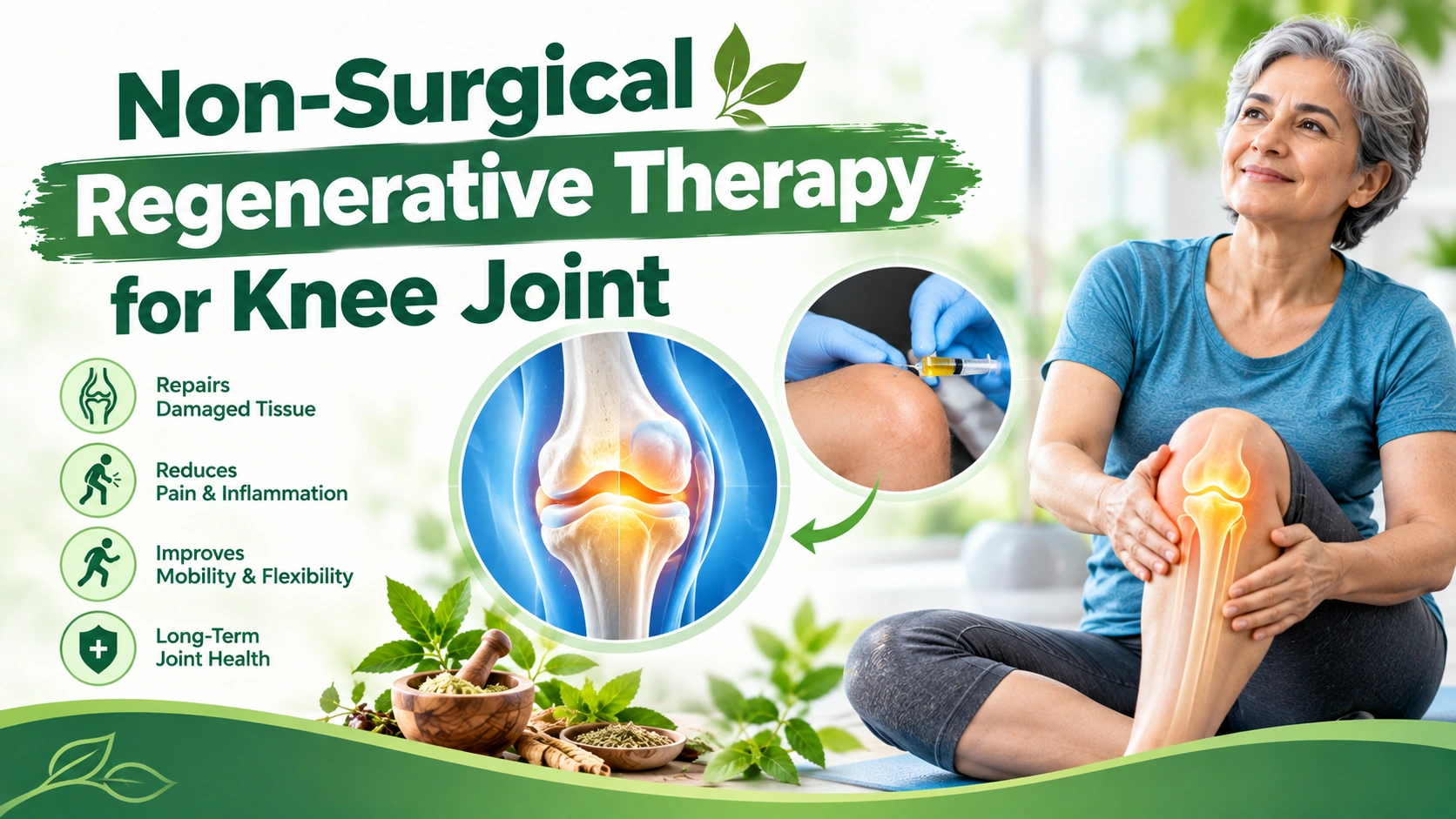
Yes, knee pain can absolutely be treated without surgery; for most people, physical therapy, weight management, and a few smart lifestyle tweaks work just as well as going under the knife. Surgery is often the last stop on the list, not the first one, and honestly, your knees would probably send you a thank-you card if you tried everything else first.
If you've ever sat on your couch, ice pack balanced precariously on your knee, googling "do I need surgery" at 1 AM, welcome. You're not alone, and you're not doomed. Knees are dramatic. They creak, they complain, they occasionally give out on you mid-staircase like they're auditioning for a soap opera. But dramatic doesn't always mean surgical. Let's talk about what actually works.
Why Everyone Jumps to "Surgery" Too Fast
Here's the thing nobody tells you: knee surgery is not always the golden ticket people assume it is. A well-known trial published in the New England Journal of Medicine (Katz et al., 2013) compared surgery for a torn meniscus against physical therapy in patients who also had osteoarthritis and found no meaningful difference in outcomes between the two groups after six months. Translation: a lot of people who go straight for surgery could've gotten similar relief with far less drama (and no scar to show off at parties).
Non-Surgical Treatments That Actually Work
Let's get into the good stuff; the stuff your orthopedist should be mentioning before "surgery" ever leaves their mouth.
- Physical therapy for knee pain: This is basically the MVP of non-surgical knee treatment. A separate NEJM study (Deyle et al., 2020) found that physical therapy actually outperformed steroid injections for knee osteoarthritis over a year, with better pain and function scores. Your knee doesn't need a scalpel; it needs a good stretching routine and a physical therapist who won't let you skip leg day.
- Weight management: This one isn't about vanity, it's straight-up physics. Research from the Intensive Diet and Exercise for Arthritis (IDEA) trial found that every pound of body weight lost translates to roughly four pounds less pressure on your knees while walking. So losing 10 pounds is like giving your knees a 40-pound vacation. That's not a diet culture, that's just leverage.
- Low-impact exercise: Swimming, cycling, and walking keep the joint moving without pounding it into submission. Movement is medicine here; stiff knees get worse, not better, from sitting still.
- Bracing and supports: Knee braces or sleeves can offload pressure from the damaged part of the joint, especially helpful for arthritis-related pain.
- Anti-inflammatory approaches: NSAIDs, topical creams, and in some cases corticosteroid injections can manage flare-ups, though (as noted above) they're generally a short-term bridge, not a long-term fix.
- Acupuncture: A study published in JAMA (Hinman et al., 2014) looked into acupuncture for chronic knee pain and found modest but real improvements in pain scores compared to no acupuncture at all; not a miracle cure, but a legitimate option worth discussing with your doctor.
Quick Comparison: Surgery vs. Non-Surgical Route
Because sometimes a table says what three paragraphs can't (and does it with less commitment):
| Factor | Surgery | Non-Surgical Treatment |
| Recovery time | Weeks to months, plus crutches drama | Days to weeks, minimal drama |
| Cost | High (hospital bills, anesthesia, the works) | Lower, spread over time |
| Risk | Infection, anesthesia risks, "why does it still hurt" moments | Mostly just mild soreness and your own laziness |
| Best for | Severe structural damage, failed conservative treatment | Mild-to-moderate pain, early arthritis, most meniscus tears |
| Bragging rights | A very impressive scar | A suspiciously good squat form |
When Non-Surgical Treatment Isn't Enough
To be fair to surgery; it's not the villain here. If there's a severe ligament tear, bone-on-bone arthritis, or a knee that's genuinely blocking your daily life despite months of conservative knee pain treatment, surgery might be the right call. The goal isn't to avoid surgery out of stubbornness; it's to make sure you've actually exhausted the simpler, cheaper, less invasive stuff first.
Key Takeaways
- Non-surgical knee pain treatment works well for most mild-to-moderate cases, especially arthritis and certain meniscus tears.
- Physical therapy has been shown in clinical trials to match or beat both surgery and steroid injections for many knee conditions.
- Losing even a small amount of weight significantly reduces the load on your knees.
- Low-impact movement, bracing, and targeted anti-inflammatory care can manage pain long-term.
- Surgery still has its place; just not always as the first move.
FAQs
Can knee pain go away without surgery?
Yes, for most people mild-to-moderate knee pain improves noticeably with physical therapy, weight management, and low-impact exercise.
Is walking good for knee pain?
Yes, gentle regular walking actually strengthens the muscles around the knee and tends to reduce stiffness over time.
Does losing weight really help knee pain?
Yes, and dramatically so, since every pound lost takes roughly four pounds of pressure off your knees.
Are knee braces actually effective?
Yes, for many people they meaningfully reduce pain by shifting pressure away from the damaged part of the joint.
When should I actually consider knee surgery?
Generally, only after conservative treatments haven't helped over several months, or if there's significant structural damage.
Disclaimer
This blog is for general informational purposes only and isn't a substitute for professional medical advice, diagnosis, or treatment. Knee pain causes vary widely, so please consult a licensed doctor or physical therapist before starting any new treatment plan for your specific condition.