Only partly, and slowly. Adult cartilage does not regrow like a scraped elbow. However, the natural treatment for damaged knee cartilage might soothe the pain, protect what's left, and make your knee work better. Let's break it down over a cup of chai.
Why is Cartilage so Stubborn?
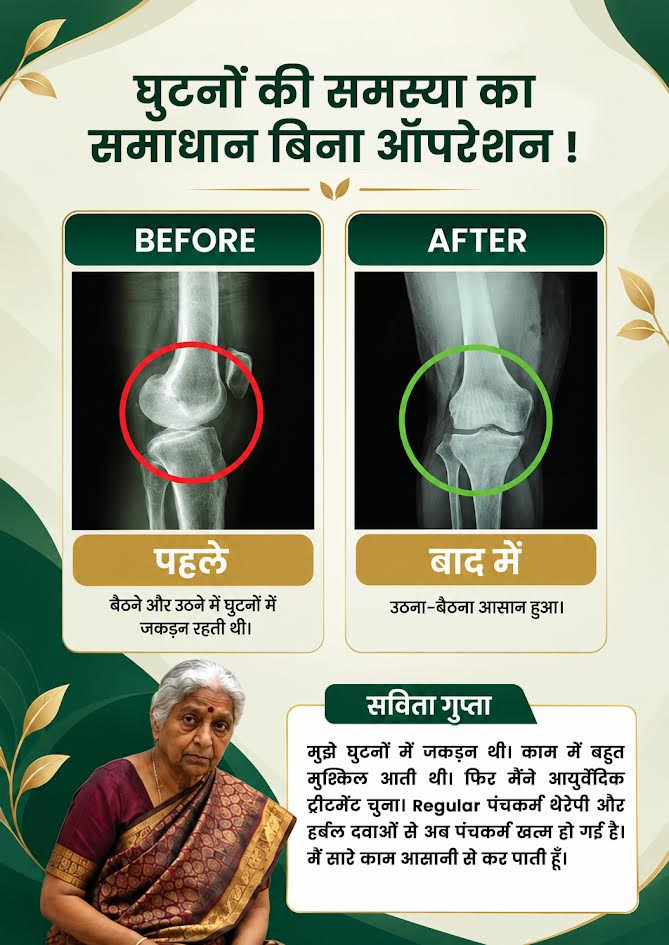
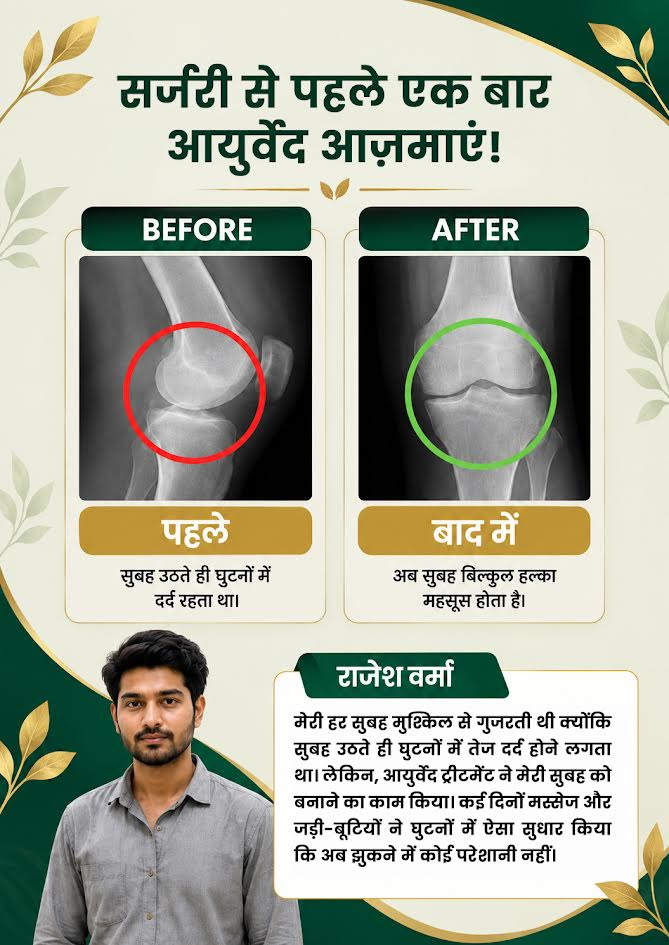
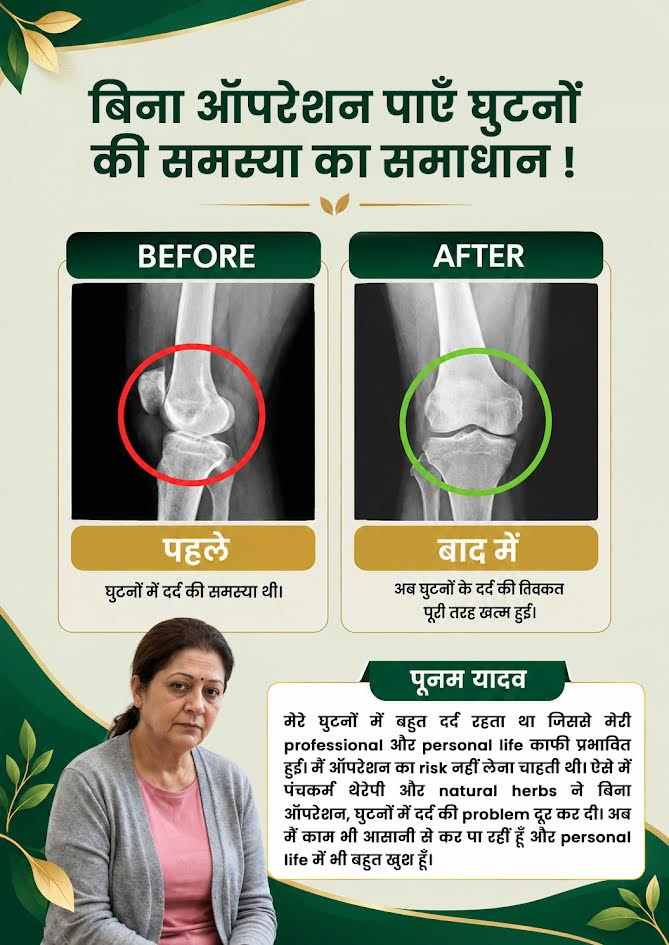
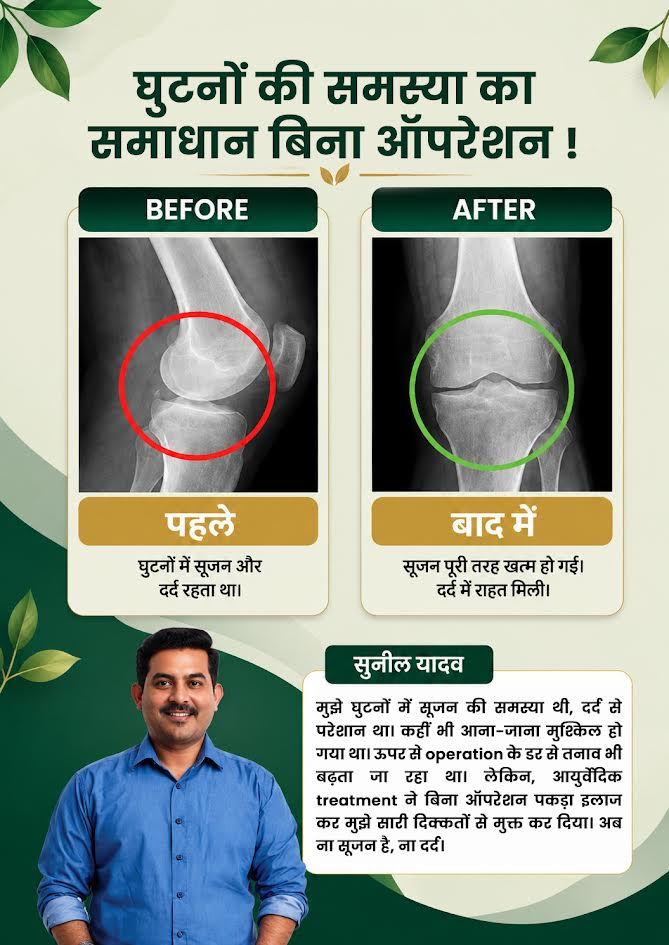
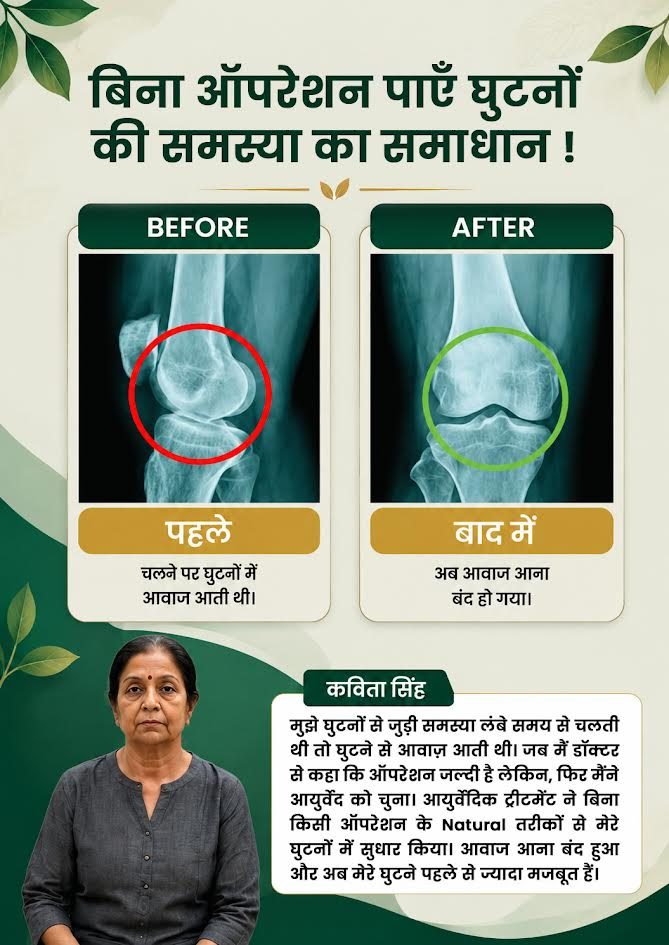
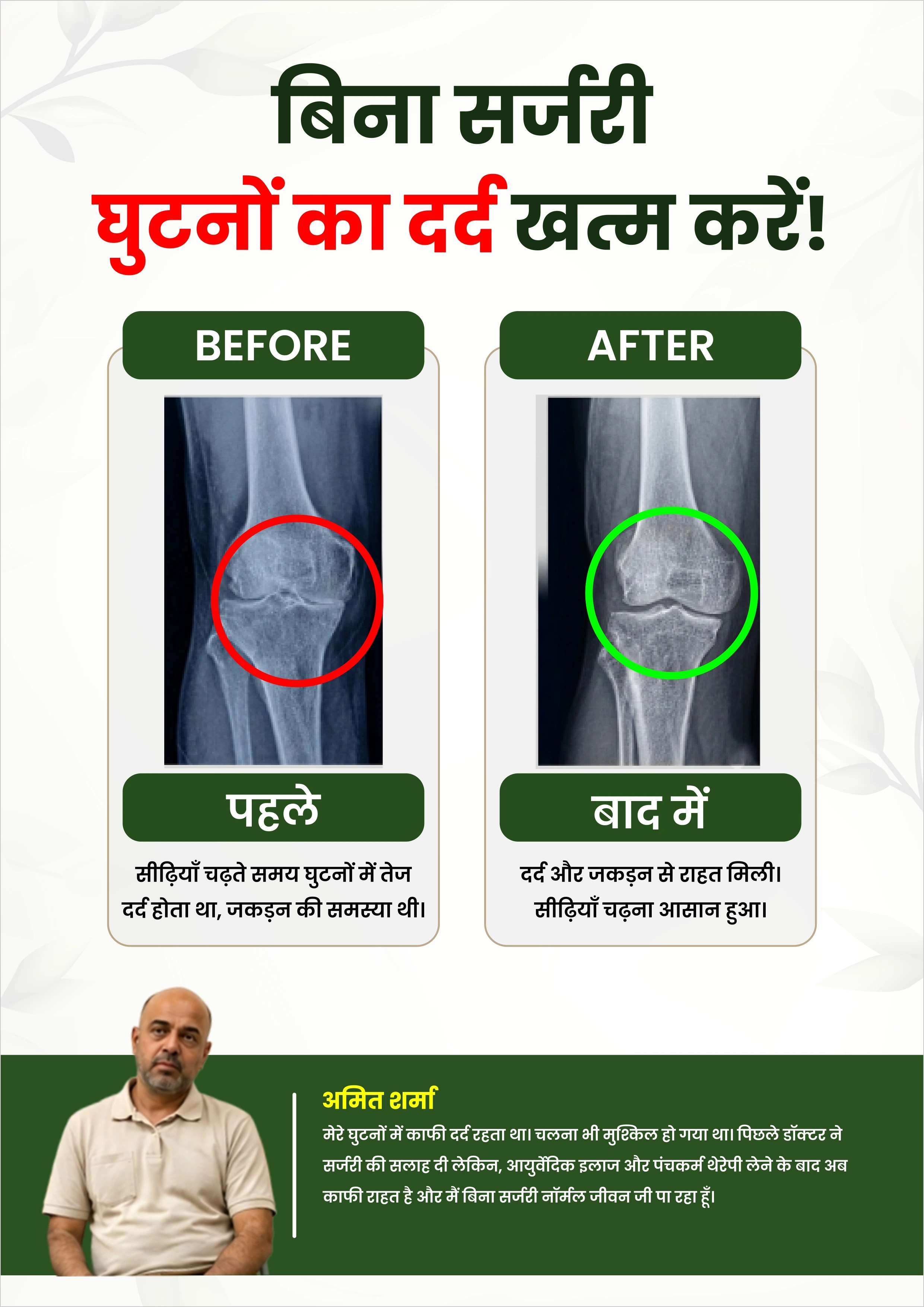
Cartilage has no blood supply; therefore, repair teams have problems accessing it. In his article, Hunziker (2002, Osteoarthritis and Cartilage) explains why adult cartilage is not well capable of self-repair. If a patient sees a gap in his knees when looking at an X-ray, it indicates cartilage thinning and bones approaching one another.
Therefore, no, you won't have a new cartilage layer by Friday. However, the absence of full regrowth of the cartilage doesn't mean that there is no help. In fact, there is quite a lot of it.
📩 Ask a Kidney Expert (Free 10-Min Consultation)
Natural Treatment for Knee Regeneration: What Helps
In the process of recovering from a knee injury, it is necessary to create the proper conditions for your joint. You can think of this process as tidying up your house before the visit of some slow guests.
Home Remedies
- Warm compress in case of stiffness and a cold pack after prolonged exposure
- Turmeric milk (yes, a grandma classic)
- Soak fenugreek seeds in water in the morning
- Gentle oil massage with warm sesame oil
Best Herbs for Joint Pain
These are the best herbs for joint pain, according to scientific literature:
- Boswellia (Shallaki): According to Sengupta et al. (2008, Arthritis Research & Therapy), it helps to decrease pain in the knee joint and increase its functioning capacity in osteoarthritis sufferers.
- Turmeric: Kuptniratsaikul et al. (2014, Clinical Interventions in Aging) discovered that the extract of turmeric eased the pain in knee osteoarthritis to the same degree as ibuprofen.
- Ashwagandha, Guggul, Nirgundi: Usually used in Ayurveda for treating joint problems.
Herbal treatments of knee osteoarthritis are usually based on ancient Ayurvedic Indian medicine. The results of a clinical trial conducted by Chopra et al. in 2013 showed that an Ayurvedic formulation was effective in managing symptoms of osteoarthritis as well as other conventional treatments like glucosamine and celecoxib. This is quite promising, but future research should be focused on performing larger trials to confirm the efficiency of such treatments.
Yoga & Exercises
Your knees hate sitting all day, and they hate doing too much exercise. Find the golden middle way.
- Straight-leg raises: strengthen the thigh without putting additional strain on the knee joint
- Tadasana and Vrikshasana: balance and gentle strength
- Setu Bandhasana (bridge pose): opens up glutes
- Walking and swimming: low-impact joy
Cheung et al. (2014, Arthritis Care & Research) found that yoga was beneficial for people with knee osteoarthritis. Also, a Cochrane review written by Fransen et al. (2015) proved the effectiveness of exercises in treating knee pain. Avoid doing deep squats and full lotus pose until your knees tell you that it's fine for them.
Plan of Diet
Your diet is much more important than your fancy brace.
- Breakfast: Oats or moong chilla with soaked walnuts.
- Lunch: dal, one roti, seasonal sabzi, salad
- Snack: fruit or roasted chana
- Supper: khichdi or soup with greens
- All day long: water, turmeric in your cooking.
Avoid fried food, sugary drinks, and too much snack food. Overweight is another reason for the pain in the knee. It's confirmed that healthy body weight contributes to the reduction of pain in overweight adults with osteoarthritis of the knee (Messier et al., 2013, JAMA). Less weight means less load on your knees.
Comparison of Options and Recommendation
| Approach | Speed | Functionality | Humor rating |
| Home remedies | Slow | Eases the day-to-day discomfort | Thanks, Grandma |
| Herbs | Moderate | May ease pain and inflammation | Spice rack, promoted |
| Yoga and exercises | Good | Builds support around the joint | Stretch, but it is worth it |
| Weight management | Steady | Pressures the knee less | Your knees are happy |
Best Therapies for Knee Regeneration
The best therapies for knee regeneration usually consist of complex treatment including physical therapy, Ayurvedic treatments like Janu Basti (warm oil pooled on the knee), good diet, and guided exercise. Also, doctors will discuss options like PRP with you.
A Word About Puneet Dhawan
Dr. Puneet Dhawan is an Ayurveda practitioner at Karma Ayurveda. He treats people with chronic diseases with his special methods using lifestyle, herbs, and food.
Key Takeaways
- Cartilage's poor healing abilities do not make its symptoms incurable
- Boswellia and turmeric might be effective in reducing inflammation
- Yoga, gentle exercise, and weight control are useful for reducing pain.
- A gap in the knee on an X-ray needs a professional opinion
- Consistency is better than miracle promises.
📩 Ask a Kidney Expert (Free 10-Min Consultation)
FAQs
Can damaged knee cartilage heal naturally?
Slowly and only partly, but you can ease pain and protect your knee.
What is the best herb for joint pain?
Boswellia and turmeric are popular and have some research behind them.
Are Ayurvedic herbs safe for knee pain?
Mostly yes when guided by a qualified doctor, but don’t DIY with your medications.
Which yoga pose is best for knees?
Gentle ones like straight-leg raises and bridge pose, with no knee-crunching heroics.
When should I see a doctor?
If pain, swelling, or locking sticks around, get it checked, since the internet can’t examine your knee.
Disclaimer
This blog is for general information only and isn’t medical advice, diagnosis, or treatment. Results vary from person to person. Please consult a qualified healthcare professional before starting any herb, diet, exercise, or therapy, especially if you have existing conditions or take medication.