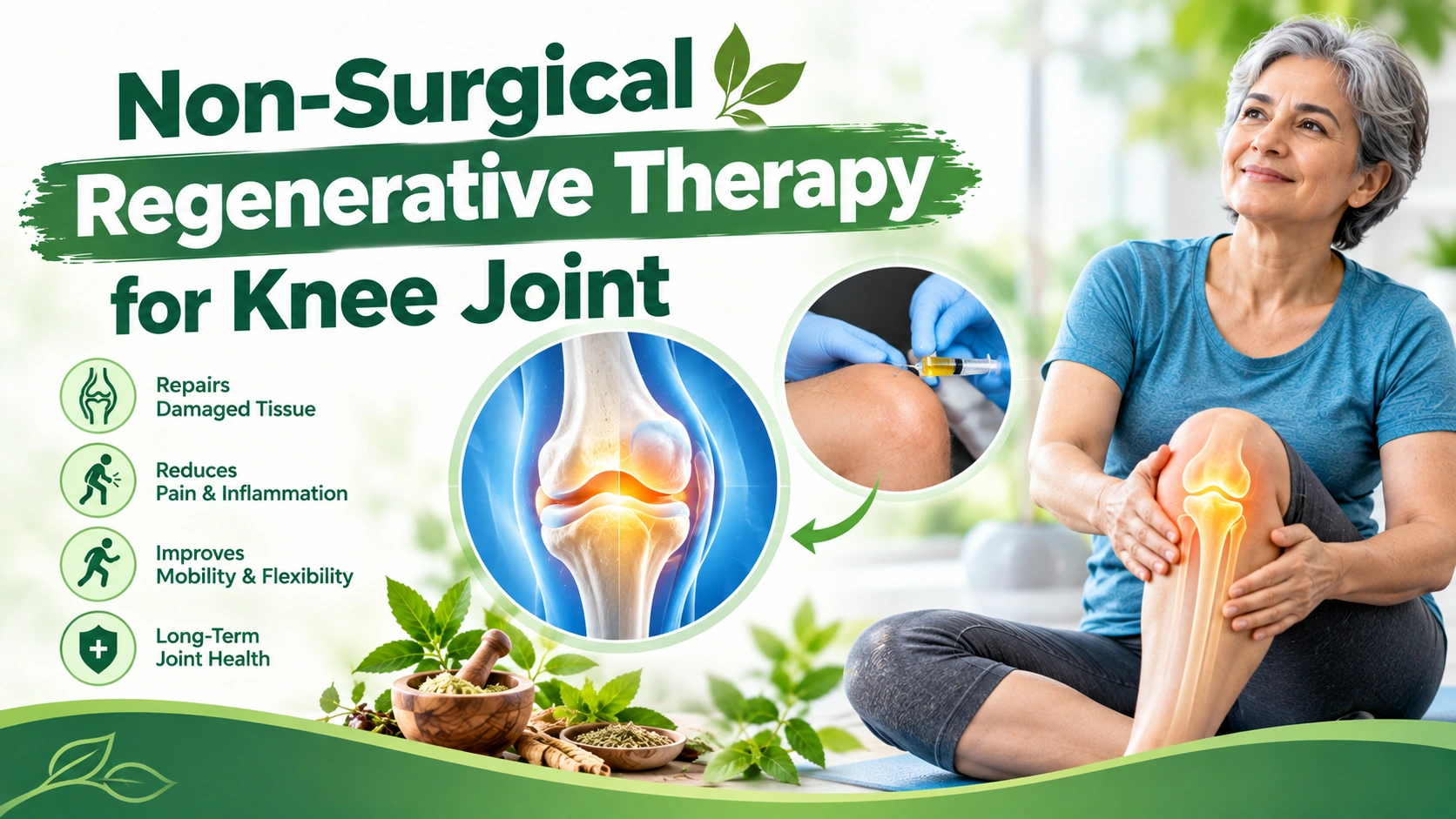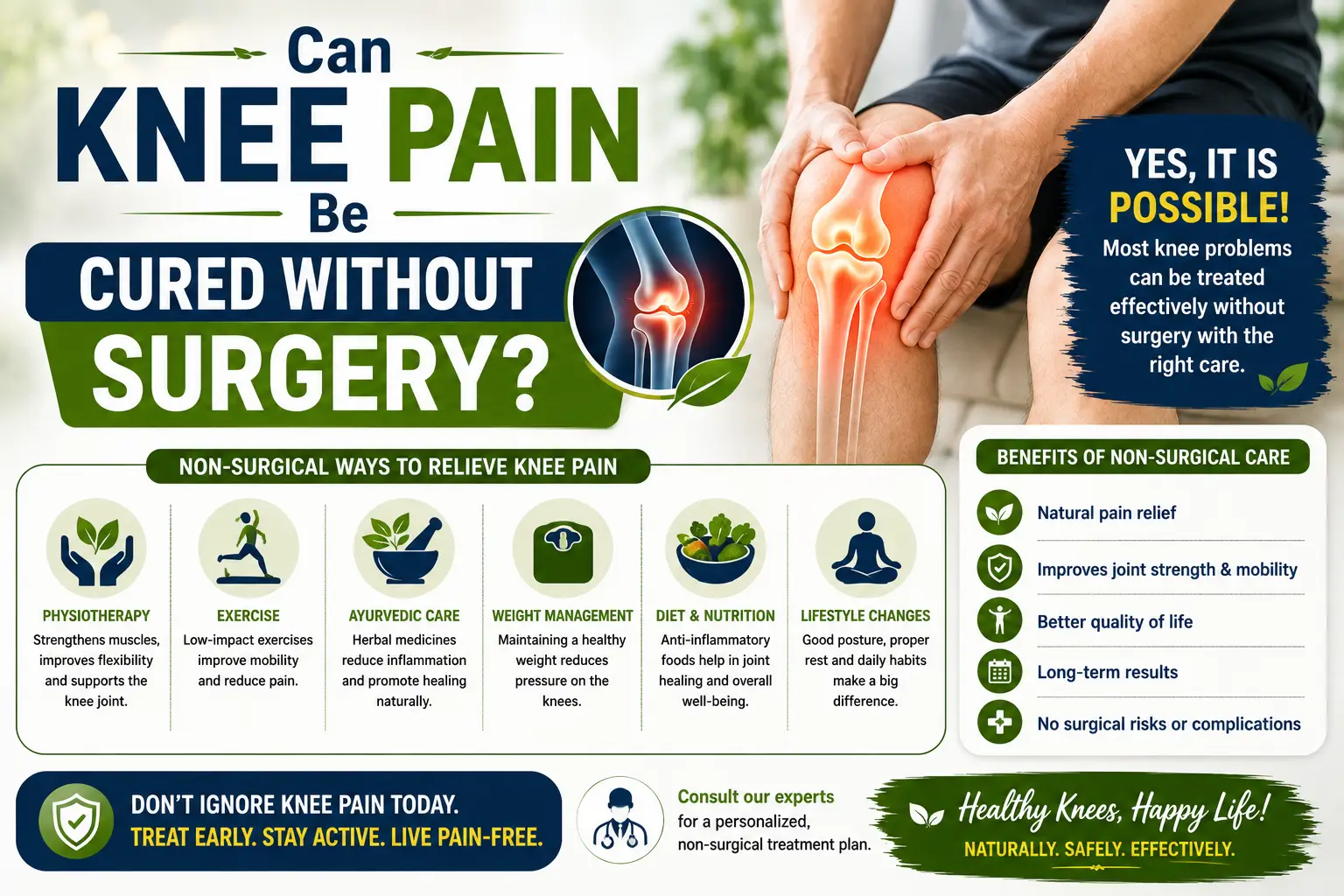
Yes, in most cases, knee pain can be managed and significantly relieved without surgery. Surgery is usually the last stop on the menu, not the first dish they serve you.
If your knees have started creaking louder than your office chair, welcome to the club. Nearly everyone past a certain age (and honestly, plenty of twenty-somethings who skip warm-ups) knows that dull ache when climbing stairs or getting up from a low sofa. And the moment "knee pain" enters the conversation, people panic and assume the next sentence is going to be "surgery." It usually isn't.
Doctors and researchers around the world actually recommend non-surgical treatment for knee pain as the first line of defense. A 2026 review published in Frontiers in Medicine noted that structured exercise, weight management, and patient education form the "core treatment" recommended for knee osteoarthritis, regardless of how severe the case is or how old the patient happens to be. Surgery only enters the picture when these conservative options have genuinely been given a fair shot and still haven't worked.
So, let's talk about what actually helps; from physiotherapy to good old-fashioned Ayurveda; without turning this into a medical journal that puts you to sleep faster than your Ortho's waiting room.
Why Your Knee Hurts in the First Place?
Before jumping into treatments, it helps to know why your knee decided to stage this rebellion. Common culprits include:
- Osteoarthritis – cartilage wearing down like the soles of your favorite old sneakers
- Muscle weakness – especially around the quadriceps, which basically act as your knee's bodyguards
- Excess body weight – every extra kilo adds multiplied pressure on your knees while walking
- Old injuries – that college-day football sprain you "walked off" and never actually treated
- Sedentary lifestyle – sitting all day doesn't just hurt your back; your knees quietly suffer too
Knowing the cause matters because knee pain treatment isn't one-size-fits-all. Treating a weak-muscle problem like it's a cartilage problem is like giving cough syrup for a broken arm; technically an effort, but not the one you needed.
Non-Surgical Ways to Treat Knee Pain
1. Physiotherapy and Targeted Exercise
This is the single most evidence-backed non-surgical treatment for knee pain out there. A large overview of systematic reviews published in a peer-reviewed rheumatology journal found that exercise therapy consistently improved pain, function, and quality of life in knee osteoarthritis patients, and did so with fewer side effects than medication. Translation: your knee doesn't need a magic pill; it needs consistent, boring, unglamorous strengthening exercises. Not thrilling, but neither is dial-up internet, and that got the job done too.
2. Weight Management
Every kilogram lost takes roughly four kilograms of pressure off your knees while walking. So dropping five kilos isn't just a compliment magnet at family gatherings; it's basically giving your knees a mini vacation with every step.
3. Ayurvedic Treatment for Knee Pain
Here's where things get genuinely interesting. Ayurvedic treatment for knee pain isn't just your grandmother's home remedy anymore; it has actual clinical trial backing now.
A randomized controlled trial published in Osteoarthritis and Cartilage compared a multi-modal Ayurveda approach (including therapeutic massage, Ayurvedic diet counselling, and supplements like Ashwagandha and Yograja Guggulu) against conventional physiotherapy-based care in 151 knee osteoarthritis patients over 12 weeks. The result: the knee pain Ayurvedic treatment group showed improvements that held up even better than the conventional care group, and the benefits were still visible a full year later. A separate government-backed Indian trial (the NMITLI project) also tested standardized Ayurvedic formulations against glucosamine and placebo, finding real symptomatic relief in osteoarthritic knees.
Typical components of Ayurvedic knee pain treatment include:
- Herbal oil massages like Janu Basti (a warm medicated-oil pool held around the knee; oddly relaxing, like a spa day your knee actually deserves)
- Internal formulations such as Guggulu-based compounds
- Personalized diet plans based on your body constitution (Dosha)
- Gentle, knee-friendly yoga postures
The catch? Consistency matters. Ayurveda isn't a "one massage and you're marathon-ready" deal; most trials showing benefit ran for 12 weeks or longer.
4. Weight-Bearing Support Tools
Knee braces, walking sticks, or even taping techniques can offload pressure while the muscles around the joint get stronger. Think of it as training wheels: a little embarrassing to use in public, extremely effective in practice.
5. Lifestyle Tweaks
Simple swaps: avoiding deep squats on damaged knees, choosing stairs mindfully, and not sitting cross-legged on the floor for hours; they genuinely add up over time.
Non-Surgical vs Surgical Treatment: A (Mostly Honest) Comparison
| Factor | Non-Surgical Treatment | Surgical Treatment |
| Recovery Time | A few weeks of mild discomfort and "why is my physio smiling so much" | Weeks to months, plus a very intimate relationship with your walker |
| Cost | Wallet-friendly, mostly | Your wallet may need its own recovery plan |
| Risk | Low; worst case, sore muscles | Surgical risks, anesthesia, infections; the whole package |
| Best For | Mild to moderate pain, early-stage OA | Severe joint damage, bone-on-bone cases |
| Commitment Required | High; you actually have to keep showing up | Lower ongoing effort, but a bigger one-time ask |
Basically: non-surgical routes ask for patience; surgery asks for your entire calendar and then some.
Key Takeaways
- Knee pain treatment almost always starts non-surgically, and most people never actually need an operation
- Exercise therapy and physiotherapy have strong clinical backing for reducing pain and improving function
- Weight management directly and significantly reduces knee joint stress
- Ayurvedic treatment for knee pain has clinical trial support, particularly for mild-to-moderate osteoarthritis, when followed consistently
- Surgery remains a last-resort option, reserved for severe or unresponsive cases
FAQs
Can knee pain be permanently cured without surgery?
For many people, yes; with regular exercise, weight management, and the right therapy, pain can be managed long-term without ever needing an operation.
Is Ayurvedic treatment effective for knee pain?
Clinical trials have shown that structured Ayurvedic knee pain treatment, done consistently over several weeks, can meaningfully reduce pain and stiffness.
How long does non-surgical knee pain treatment take to show results?
Most people notice real improvement within 6 to 12 weeks of consistent physiotherapy or Ayurvedic care.
When is surgery actually necessary for knee pain?
Surgery is generally considered only when conservative treatments fail or when there's severe, bone-on-bone joint damage confirmed by imaging.
Can exercise make knee pain worse?
Poorly guided exercise can, but properly supervised, knee-friendly strengthening exercises typically reduce pain rather than increase it.
Disclaimer
This article is for general informational purposes only and isn't a substitute for professional medical advice, diagnosis, or treatment. Knee pain causes vary widely from person to person, so please consult a qualified doctor, physiotherapist, or Ayurvedic practitioner before starting any treatment plan.