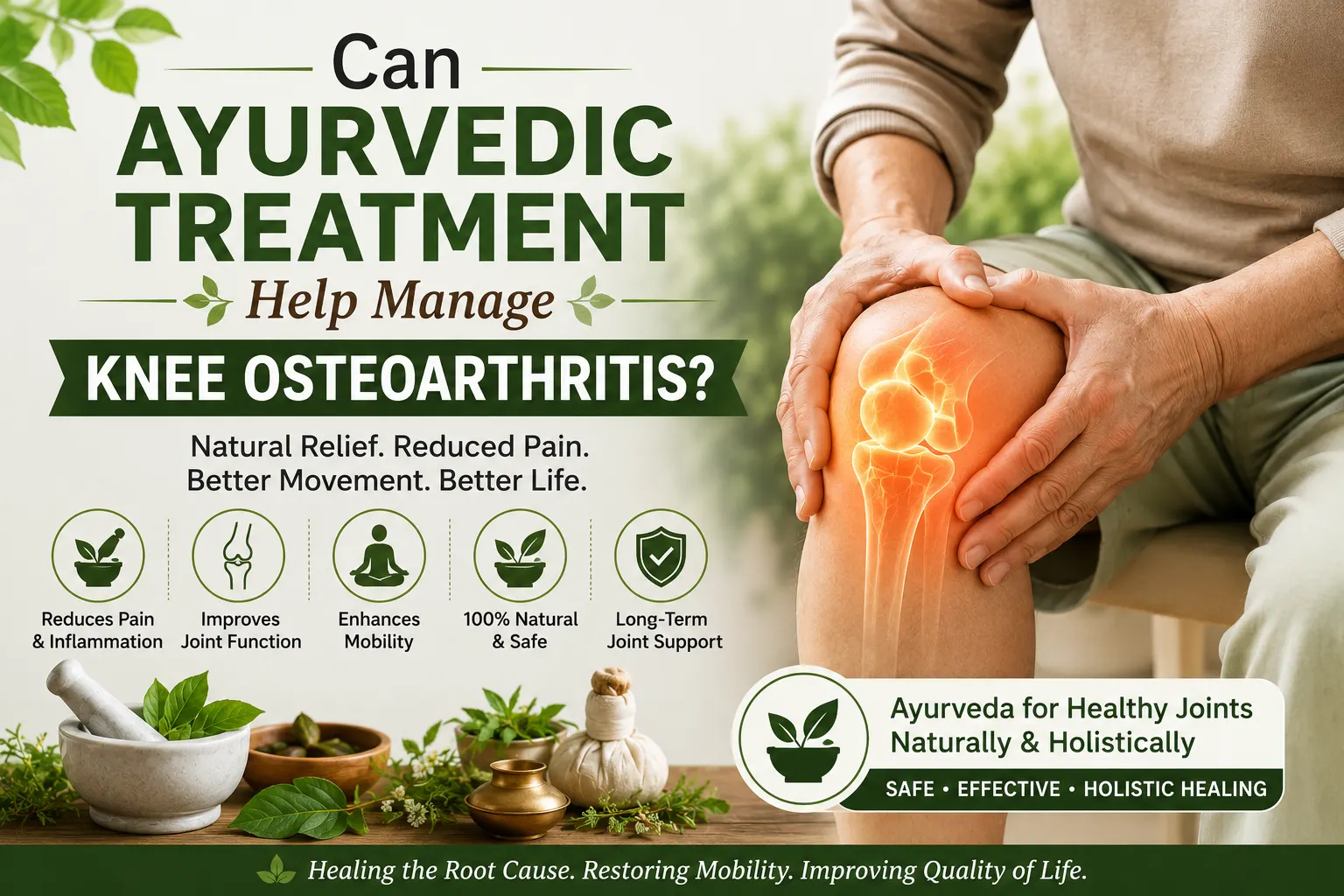
Short answer: Yes, Ayurvedic treatment for knee osteoarthritis genuinely helps with pain and stiffness, and it's got actual clinical trials behind it, not just your building uncle swearing by some oil his grandfather used. It won't turn your knees into 20-year-old knees overnight (nothing will, sorry), but stick with it and you'll likely feel the difference in how your mornings go.
Wait, What's Actually Happening in Your Knee?
Picture your knee joint like an old door hinge. There's cartilage in there acting like a cushion so bone doesn't grind on bone. Over the years, thanks to age, extra weight, an old injury you forgot about, or just genetics being unfair, that cushion wears thin. And once it does, every squat, every flight of stairs, every "sure I'll sit on the floor" moment at a family function becomes a whole negotiation with your own body.
That's osteoarthritis in a nutshell. Annoying, common, and not something you just have to accept and limp through.
How Ayurveda Sees This (And Honestly, It Makes Sense)
Ayurveda blames this mostly on an aggravated Vata; the energy in your body that controls movement. When Vata goes out of whack, it likes to settle right into joints, drying them out, and boom, you've got pain, stiffness, and that grinding sound your knee makes that startles your dog. So osteoarthritis treatment in Ayurveda isn't really about numbing the area and hoping for the best. It's about calming that Vata down, feeding the joint tissue properly, and getting blood flowing there again.
This is basically the whole philosophy behind knee joint treatment in Ayurveda; instead of just muting the alarm bell, it tries to figure out why the alarm went off in the first place. Sluggish digestion, toxin buildup (called Ama in Ayurvedic terms), poor joint nourishment; all of it gets addressed together.
The Treatments Themselves (Yes, It Gets Oily)
This part is genuinely kind of nice, not gonna lie.
- Janu Basti – they build a little dam around your knee using dough, usually black gram flour, and pour warm medicated oil into it. It just sits there, soaking in. Sounds odd, feels amazing. People fall asleep during this.
- Abhyanga, basically a proper oil massage using stuff like Mahanarayan oil or Sahacharadi oil, worked into the joint to loosen things up and get circulation moving.
- Swedana, localized herbal steam. Think of it as unsticking a rusty hinge, except the hinge is your leg.
- Panchakarma, especially Basti (medicated enemas; yes, really, and yes, it's considered one of Ayurveda's top weapons against Vata disorders).
- And then there's the internal stuff; this is your actual medicine for osteoarthritis in Ayurveda. Things like Simhanada Guggulu, Yograj Guggulu, Ashwagandha, and Shallaki (Boswellia) show up again and again in prescriptions because they genuinely help with inflammation and joint nourishment.
No injections, no scary machines, nothing beeping at you. Just warm oil, patience, and smelling faintly herbal for the rest of the day.
But Does Science Actually Agree With This?
Fair question, and it's not just "trust the tradition" here.
There was a fairly large multicenter randomized controlled trial run in Germany that pitted a full Ayurvedic treatment protocol against standard conventional care for knee OA patients. The Ayurveda group came out ahead on the WOMAC index (the standard scale doctors use to measure knee pain, stiffness, and function), and this is the part that actually impressed me: the improvement was still holding up a full year later. Not a temporary "felt good for a week" thing.
Then there's a randomized, double-blind trial published in Rheumatology that compared an Ayurvedic formulation called SGCG against glucosamine and celecoxib (a standard NSAID) over six months. The Ayurvedic option matched them, pain-relief-wise and function-wise. That's a big deal; going toe-to-toe with an actual prescription anti-inflammatory isn't nothing.
And more recently, AIIMS Delhi has been running its own structured trial comparing a multimodal Ayurveda regimen, Janu Basti included, against standard diclofenac gel over a 180-day stretch. Whatever the final numbers say, the fact that a top medical institute is even running this shows Ayurveda isn't sitting in the "unproven folk remedy" bucket anymore.
So no, this isn't just anecdotal. There's real data behind it.
Ayurveda vs Conventional Treatment: Let's Be Real About It
| Factor | Ayurvedic Treatment | Conventional Treatment |
| Speed of relief | Slow, like a lazy Sunday | Fast, like a shot of espresso |
| What it targets | The root cause; Vata imbalance, poor nourishment | The symptom; pain, swelling, inflammation |
| Side effects | Usually mild, but "usually" isn't "never" | Possible, especially with long-term NSAID use |
| Effort required | A fair bit; diet, oils, routine, patience | Low; take a pill, move on |
| Long game | Tries to slow the whole degeneration process | Mostly about managing what's already happening |
Basically, conventional medicine is the friend who shows up in five minutes when you're in a crisis. Ayurveda is the friend who sits you down for two hours, fixes your actual habits, and quietly makes sure you don't end up in that crisis as often.
A Few Lifestyle Things Ayurveda Keeps Harping On (Annoyingly, But Correctly)
- Cut back on cold food and drinks; Vata and cold are basically best friends, and that's not a good friendship for your joints
- Eat warm, well-cooked, easy-to-digest meals, ghee included; don't skimp
- Move, but gently; walking, yoga, nothing that sounds like a CrossFit ad
- Keep your weight in check, because every extra kilo is extra pressure your knees didn't ask for
- Self-massage with warm oil regularly, especially once winter hits and everything stiffens up
Key Takeaways
- Ayurvedic treatment for knee osteoarthritis works by calming Vata and actually nourishing the joint, not just muting pain signals
- Core therapies: Janu Basti, Abhyanga, Swedana, and Panchakarma-based detox
- Medicine for osteoarthritis in Ayurveda: Guggulu formulations and Shallaki; has shown real anti-inflammatory results in trials
- Backed by proper randomized studies, including a German multicenter trial and ongoing research at AIIMS Delhi
- Consistency matters more than intensity here; this is a slow burn, not a quick fix
- Diet and lifestyle changes aren't optional extras in knee joint treatment in Ayurveda; they're the whole point
FAQs
Is Ayurvedic treatment effective for knee osteoarthritis?
Yes; clinical trials back it up, and results tend to stick around longer when you're consistent with it.
How long before Ayurvedic treatment actually shows results?
Usually somewhere between 4 to 12 weeks, depending on how bad things are and how consistent you're being.
What's considered the best Ayurvedic medicine for osteoarthritis?
Simhanada Guggulu, Yograj Guggulu, and Shallaki (Boswellia) are the ones that come up most often, and they've got the most research behind them.
Can Ayurveda fully replace regular osteoarthritis treatment?
For mild-to-moderate cases, often yes; for advanced cases, it works best alongside your doctor rather than instead of them.
Does Janu Basti hurt?
No, honestly, it's the opposite; most people say it's one of the more relaxing parts of the whole treatment.
Disclaimer
This blog is meant for general information, not medical advice. Everyone's knees (and reasons for the pain) are different, so please talk to a qualified Ayurvedic practitioner or your doctor before starting anything new, especially if you're already on medication or managing other health conditions.