Ayurvedic medicine for knee pain can reduce stiffness, soothe inflammation, and make daily movement more comfortable for you, but it is slow, and it is not a magic wand. Think of it as a patient teacher, not a fast-food delivery.
How Ayurveda Looks at Knee Pain
Joint pain in Ayurveda is usually associated with the Sandhigata Vata disorder, which means that joints become dry and creaky over the years without proper attention. Thus, Ayurvedic remedies for knee pain usually help to soothe the inflammation, nourish the joint, and strengthen the surrounding muscles.
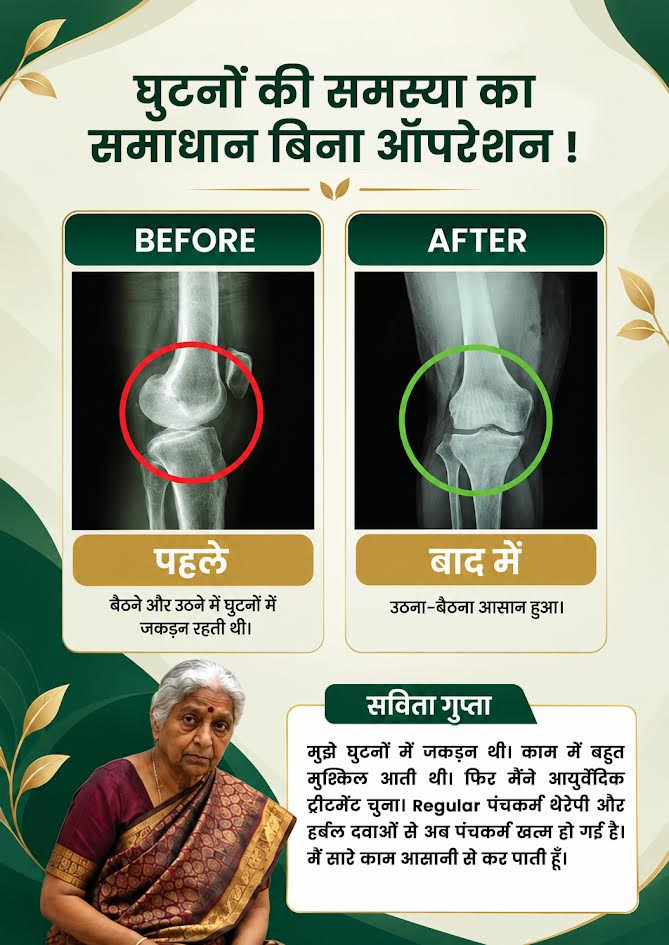
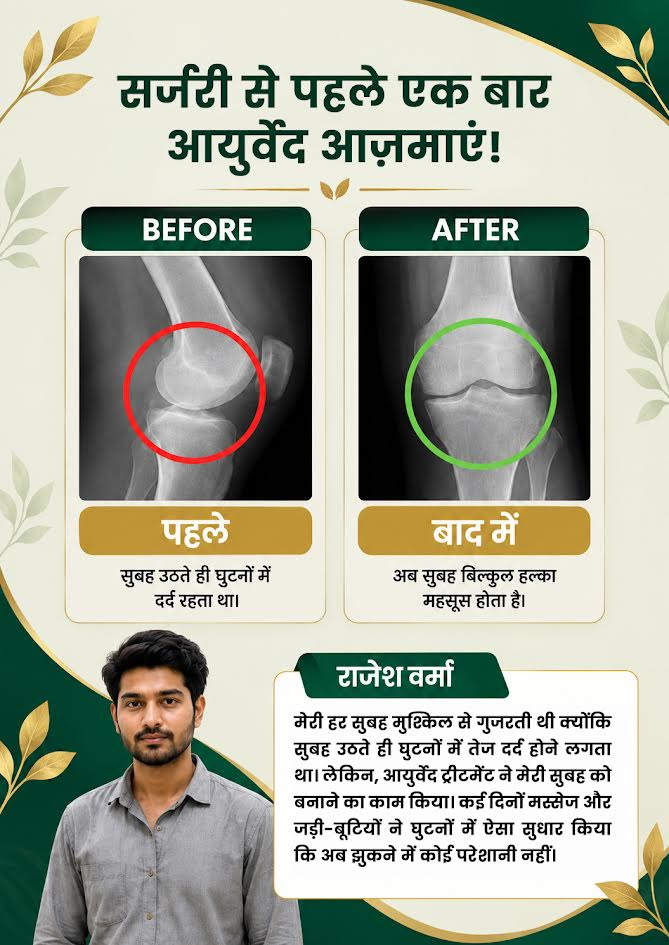
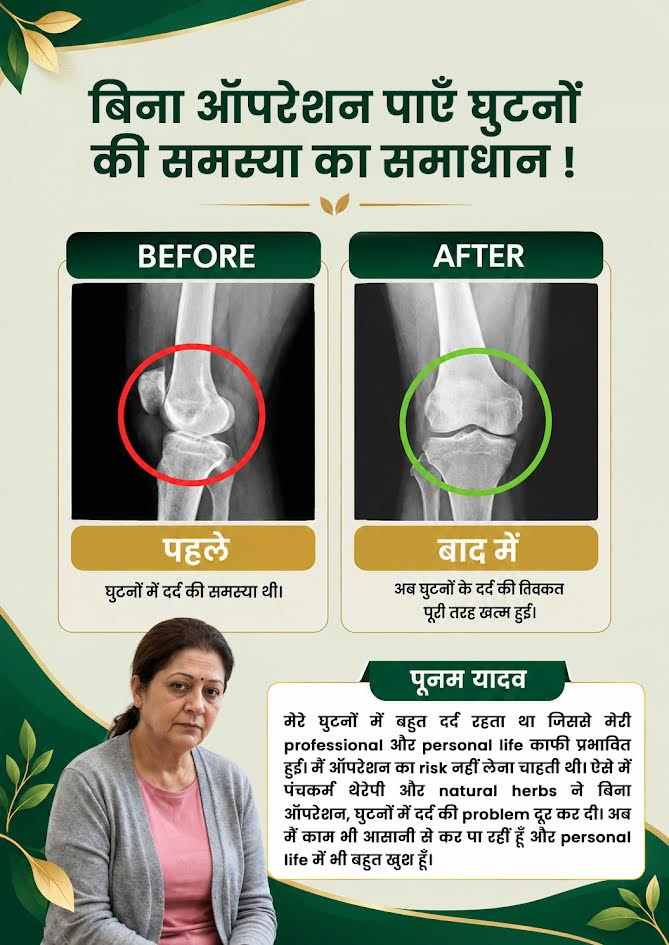
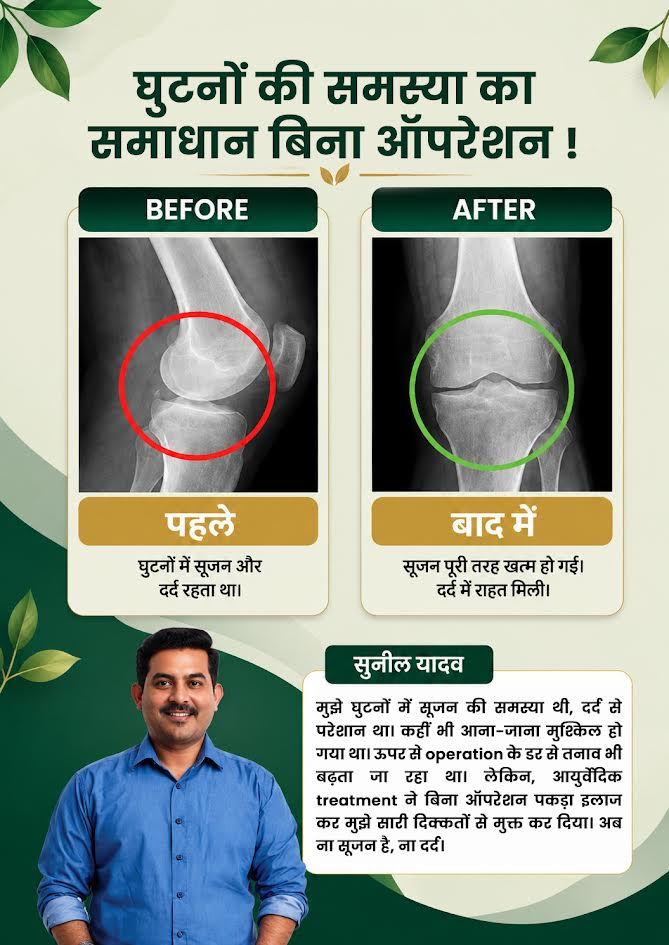
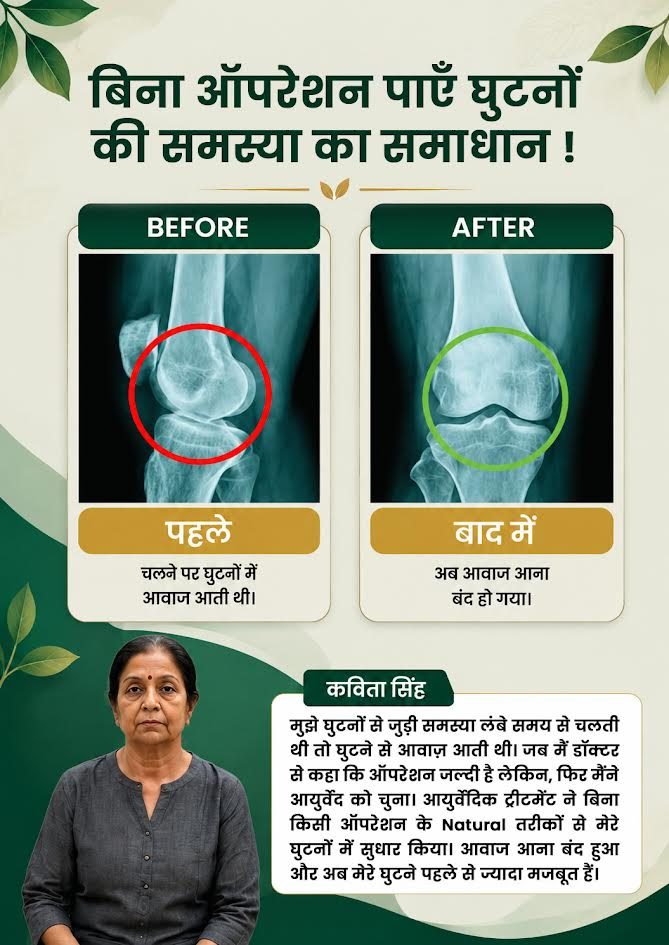
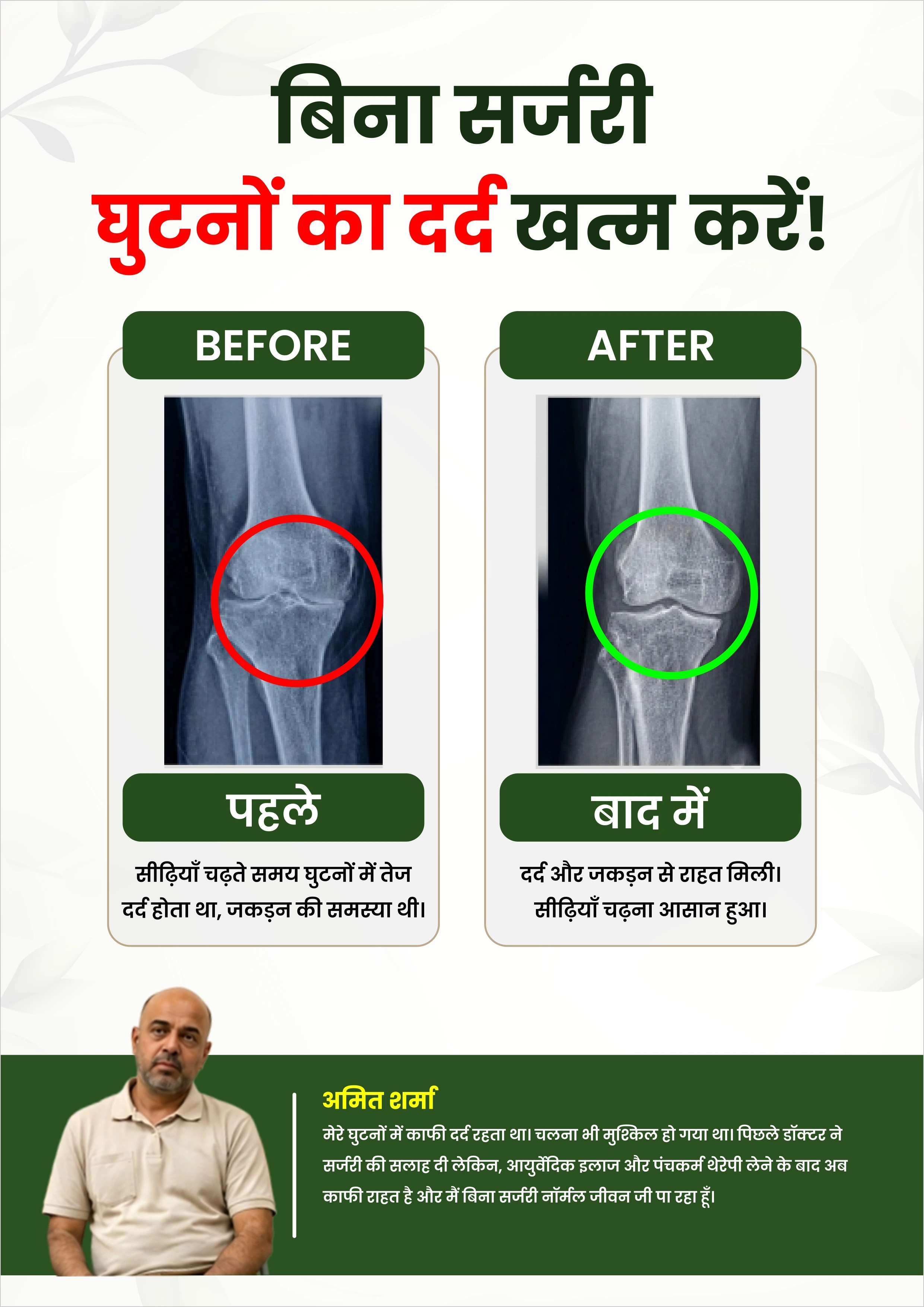
The most important thing is that adult cartilage has no direct blood vessels, so the process of cartilage restoration is extremely slow (Hunziker, 2002, Osteoarthritis and Cartilage). If there is a gap in the knees based on the X-ray, it means that cartilage has been thinning. The natural treatment of knee cartilage restoration can't guarantee closing the gap, but it can ease life considerably.
📩 Ask a Kidney Expert (Free 10-Min Consultation)
Best Herbs for Joint Pain
These are the best Ayurvedic medicines for knee joint pain that have been proven in studies repeatedly:
- Boswellia (Shallaki): Sengupta et al. (2008, Arthritis Research & Therapy) found a decrease in knee pain and improvement of functional status in individuals suffering from osteoarthritis.
- Turmeric (Haridra): According to Kuptniratsaikul et al. (2014, Clinical Interventions in Aging), turmeric extract eased knee pain similar to ibuprofen.
- Guggul, Ashwagandha, Nirgundi: popular ingredients in Ayurvedic medicine to reduce pain and inflammation in the joints.
Among the various herbs that can be used for the treatment of knee pain, the following are the most common. In a randomized trial carried out by Chopra et al. (2013), an Ayurvedic formula that contained Shalaki, Ashwagandha, turmeric, and Guggul showed effects comparable to the treatment with glucosamine and celecoxib. It is a good start; however, more research is needed to draw more solid conclusions.
Best Therapies for Knee Regeneration
When speaking about the therapies in Ayurveda, they usually work as a combination:
- Janu Basti: warm medicated oil poured on the knee (It looks very pleasant, as it sounds).
- Abhyanga: warm oil massage for loosening Stiffness
- Swedana: gentle herbal steam
- Panchakarma: cleansing routines monitored by a qualified practitioner.
Any knee regeneration natural treatment works best when therapies, herbs, food and movement come all together. One of them alone works like an orchestra without musicians, with only the instruments present.
Home Remedies
- Turmeric in warm milk before bed
- Soak fenugreek seeds in water in the morning
- Warm sesame oil massage
- Heating pack if you feel stiffness, cold pack at the end of the day
Yoga & Exercises
Knees love movement, but not the drama.
- Straight-leg raises
- Tadasana and Vrikshasana to improve your balance
- Setu Bandhasana (bridge pose)
- Walking and swimming
Cheung et al. (2014, Arthritis Care & Research) published the results of a study that showed that yoga is beneficial for patients suffering from knee osteoarthritis. Also, a review of the research by Fransen et al. (2015) supported the idea of performing exercises to reduce pain. Avoid deep squats and heroic lotus poses for now.
Diet Plan
- Breakfast: oats or moong chilla with soaked walnuts
- Lunch: dal, seasonal sabzi, one roti, salad
- Snack: fruit or roasted chana
- Dinner: light khichdi or vegetable soup
- Limit: fried foods, sugary drinks, packaged snacks
Messier et al. (2013, JAMA) found that loss of weight and exercise reduced knee pain in overweight adults with knee osteoarthritis. Lighter load, happier knees.
Precautions: Read This Before the Herb Shopping
- Do not prescribe medicine to yourself. Natural doesn't automatically mean safe for you.
- Tell your doctor if you are taking blood-thinning medications, as well as medications for diabetes or blood pressure.
- Buy from trusted and quality suppliers.
- Stop taking and see a doctor if you notice rashes, upset stomach or pain becoming severe.
- Swelling, locking or sudden severe pain requires medical examination, and not another cup of turmeric milk.
Quick Comparison
| Option | Pace | Vibe |
| Home remedies | Slow | Grandma approved |
| Herbs | Moderate | Spice rack, promoted |
| Janu Basti | Steady | Relaxation with spa treatments |
| Yoga and diet | Long game | Boring, effective |
A Word about Dr. Puneet Dhawan
The mentioned above Ayurvedic practitioner is Dr. Puneet Dhawan. He is associated with Karma Ayurveda. He focuses on chronic disease treatment with herbs, diet, and lifestyle changes. If you want to use Ayurveda in treating knee pain, it is better to have an Ayurvedic consultation rather than randomly using some spice.
Key Takeaways
- Ayurveda aims to ease pain and support the joint, not promise instant regrowth
- Boswellia and turmeric have some research backing
- Therapies, herbs, diet, and yoga work best together
- Precautions matter, especially with other medicines
- A gap in the knees on an X-ray deserves a proper medical opinion
FAQs
What is the best Ayurvedic medicine for knee pain?
There’s no single winner, but Boswellia, turmeric, and Guggul are the popular picks.
Is Ayurvedic medicine for knee joint pain safe?
Usually yes under proper guidance, but check with your doctor if you’re on other medicines.
How long does Ayurvedic treatment take to work?
Often weeks to months, so keep your patience handy.
Can Ayurveda regrow knee cartilage?
It can ease symptoms and support the joint, but full regrowth isn’t promised.
When should I see a doctor?
If pain, swelling, or locking sticks around, get it checked.
Disclaimer
This blog is for general information only and isn’t medical advice, diagnosis, or treatment. Results vary from person to person. Please consult a qualified healthcare professional before starting any herb, diet, exercise, or therapy, especially if you have existing conditions or take medication.