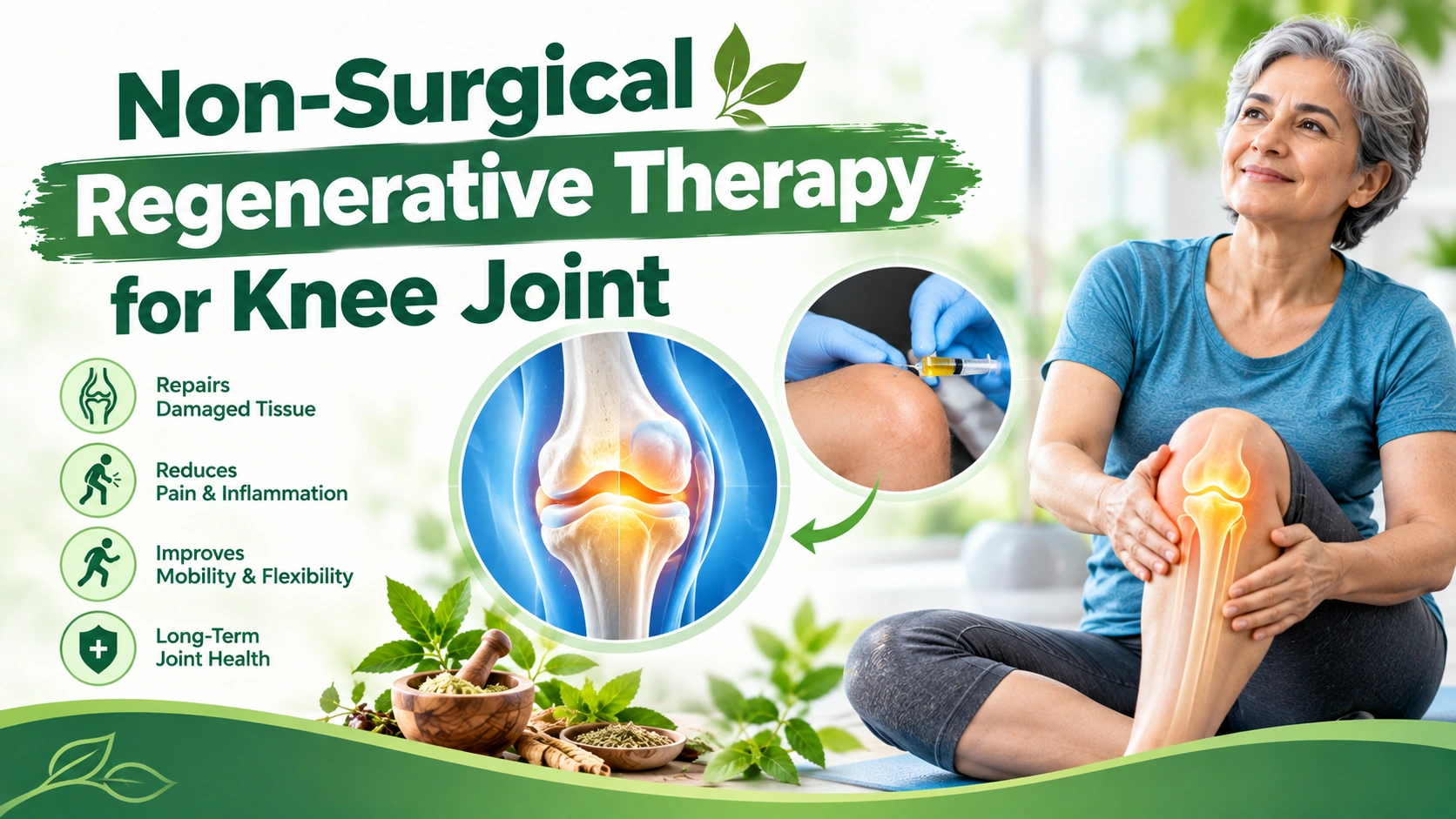
Ayurvedic Herbs for Arthritis: Do They Actually Work, or Is Grandma Just Winning Again?
Short answer: yes, some Ayurvedic herbs for arthritis genuinely help with pain and stiffness; turmeric and boswellia have decent clinical trials behind them. Longer answer: they're not going to make your knees forget they're 55 years old overnight, and no herb is replacing your rheumatologist any time soon.
If you've grown up in an Indian household, you already know the drill. Knee hurts a little? Haldi doodh. Knuckles feeling stiff in winter? More haldi doodh, maybe with a side lecture about how "you people" don't respect turmeric enough. And look, I used to roll my eyes at this too; until I actually went down the research rabbit hole and realised half of what my mother's been saying for twenty years has actual clinical trials backing it up. Annoying, but true.
Arthritis, in plain terms, is your joints being dramatic. Cartilage wears down, inflammation shows up like an uninvited guest who never leaves, and suddenly getting up from the floor requires a strategy session. Ayurveda for joint pain has been dealing with this exact problem for a very long time, so it's worth actually looking at what's backed by something more solid than "my chacha swears by it."
Why Ayurveda Even Bother With This Stuff?
In Ayurveda, arthritis (they call it Sandhivata) is pinned on an aggravated Vata dosha; basically dryness, coldness, that creaky stiff feeling like your joints haven't had their morning chai yet. The herbs used aren't picked at random off a shelf; the idea is they cut inflammation, get blood moving to the joint, and add back some of that "lubrication" that's gone missing.
Now, does modern science agree with all of this? Not entirely. But for a few of these herbs, yes, actually, quite a bit.
The Herbs That Actually Show Up to Work
Turmeric (Curcumin); the one everyone already knows about
Turmeric for arthritis isn't just an Instagram wellness trend that Ayurveda got dragged into. Curcumin, the active compound, has been through a genuinely large number of clinical trials.
A meta-analysis in the Journal of Rheumatic Diseases looked across a bunch of randomized trials and found curcumin extracts made a real difference to pain and function in people with knee osteoarthritis. There's also a placebo-controlled study on a curcumin extract called Curcugen® (published in Nutrients, 2021) where people on the real thing reported noticeably less knee pain than the placebo group.
Here's the annoying part though: curcumin is terrible at getting absorbed by your body on its own. That's why supplements usually throw in black pepper extract (piperine) to help it actually get into your bloodstream instead of just passing through. So sprinkling extra haldi in your sabzi is fine and tasty, but if you want it to actually do something for your joints, you probably need a proper extract, not just kitchen-shelf turmeric.
Boswellia Serrata (Shallaki); quietly doing more than it gets credit for
If turmeric's the one getting all the attention, Boswellia serrata for joint pain is the one that should be. It's Indian frankincense resin, and its boswellic acids block a specific inflammatory enzyme (5-LOX, in case you want to impress someone at a dinner party).
There's a double-blind, placebo-controlled trial in Phytotherapy Research where people took a standardized Boswellia extract for 120 days; and it didn't just help with reported pain, it actually showed up on X-rays and in blood inflammation markers too. A 2024 multicenter trial pairing Boswellia with celery seed extract also found real improvement in knee OA symptoms. And a meta-analysis covering over 2,000 patients across multiple studies came to the same conclusion.
Basically: turmeric gets the fan following, but boswellia's the one quietly doing the actual heavy lifting.
Ginger (Shunthi): turmeric's spicier, slightly less famous cousin
Ginger for inflammation works on similar pathways as turmeric, just with a milder punch. A handful of clinical trials have shown ginger extract cutting down knee pain in osteoarthritis patients; not as dramatically as curcumin or boswellia, but it's gentle on the stomach (unlike a lot of painkillers) and honestly just makes your chai better while it's at it.
Ashwagandha: less about the joint, more about the whole system losing it
Pain and stress feed off each other in a genuinely unfair way; the more stressed you are, the more everything hurts, and the more everything hurts, the more stressed you get. Ashwagandha for arthritis isn't primarily a joint herb; it's more about calming the whole nervous system down, though some smaller studies point to mild anti-inflammatory and pain-relieving effects too. Think of it as the herb equivalent of someone telling you to breathe.
Guggul: the old-timer everyone's grandmother knows about
Guggul resin shows up in classical formulations like Yograj Guggulu, traditionally used for joint issues and clearing out what Ayurveda calls "ama" (basically, toxin buildup). The research here is thinner than turmeric or boswellia; not much modern clinical backing yet, but it's stuck around in Ayurvedic practice for a reason, even if science hasn't fully caught up to explain why.
Quick Comparison, Because Everyone Loves a Table
| Herb | What It's Actually Good At | How Solid Is the Science | Goes Well With |
| Turmeric (Curcumin) | Cutting inflammation & pain | Strong; multiple trials & meta-analyses | Black pepper, warm milk |
| Boswellia Serrata | Blocking inflammatory enzymes | Strong; RCTs, 2000+ patient meta-analysis | Turmeric, celery seed extract |
| Ginger | Mild anti-inflammatory relief | Moderate | Chai, warm water |
| Ashwagandha | Stress + mild pain relief | Moderate, smaller studies | Warm milk, bedtime |
| Guggul | Traditional joint & detox support | Limited modern research | Classical formulas |
Nobody here is a solo act; most Ayurvedic practitioners mix two or three of these together, which honestly tracks. Inflammation isn't a one-front war, so why treat it like one?
A Few Things Worth Actually Knowing
- These herbs work slowly. Weeks, not hours. If you take turmeric once and expect your knee pain gone by dinner, you're going to be disappointed.
- The quality of the extract matters a lot more than people assume; a standardized extract with a known percentage of the active compound beats random turmeric powder that's been sitting in your kitchen since who-knows-when.
- They're a support system, not a replacement. Especially with rheumatoid arthritis, which is autoimmune and needs actual medical management, not just herbs.
- Turmeric and ginger can thin your blood a bit, so if you're already on blood thinners, that's a conversation to have with your doctor first, not an afterthought.
- If you're serious about trying any of this, talk to a doctor or a properly qualified Ayurvedic practitioner. Random WhatsApp forwards don't count as medical advice, however confidently written.
Key Takeaways
- Turmeric (curcumin) and Boswellia serrata have the strongest research behind them among Ayurvedic herbs for arthritis.
- Ginger and ashwagandha offer gentler, supportive benefits, especially where stress and stiffness are tangled together.
- Curcumin absorption is weak on its own; pairing it with black pepper actually matters.
- Think consistency over weeks and months, not a one-time fix.
- Always check with a doctor before combining herbs with existing medication, especially blood thinners.
FAQs
Q1. Can Ayurvedic herbs cure arthritis completely?
No; they help take the edge off pain and inflammation, but they're not a cure, especially for autoimmune types like rheumatoid arthritis.
Q2. How long before turmeric actually helps with joint pain?
Most studies show real improvement somewhere around 8 to 12 weeks of taking it consistently, not after one cup of haldi doodh.
Q3. Is Boswellia serrata safe to take every day?
Trials running up to 120 days show it's generally well tolerated, but check with a doctor before making it a permanent daily habit.
Q4. Can turmeric and boswellia be taken together?
Yes, plenty of formulations combine both since they hit inflammation from different angles, and the research on the combo looks promising.
Q5. Do these herbs work for rheumatoid arthritis too?
They might ease some symptoms, but RA is autoimmune and really needs proper medical treatment running alongside anything herbal.
Disclaimer: This article is for general information only and isn't medical advice. Ayurvedic herbs can interact with medications or existing health conditions, so please talk to a doctor or a qualified Ayurvedic practitioner before starting anything new; especially if you're pregnant, on medication, or managing a chronic condition.